Lab-Grown Diamonds vs Natural in Custom Jewelry Value
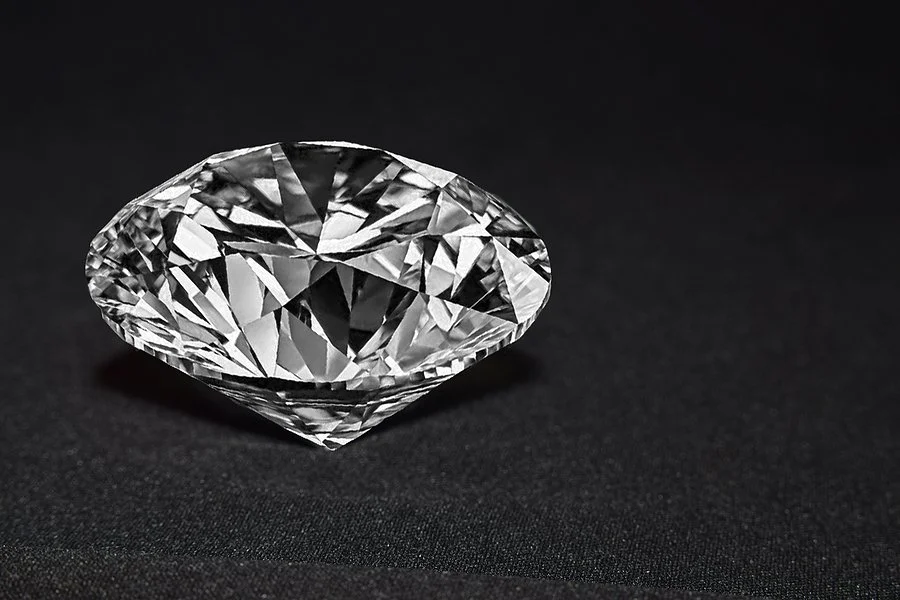
The rapid rise of lab-grown diamonds has completely transformed the modern jewelry landscape, sparking an important debate among collectors and fine jewelry enthusiasts. On paper, the appeal is obvious: lab-grown diamonds possess the identical chemical, physical, and optical properties of their mined counterparts, but come at a fraction of the price.
However, as consumers look to design bespoke heirlooms, a critical question arises: how do these manufactured stones impact the long-term investment value of a custom piece? To navigate this choice, it is essential to understand the fundamental difference between upfront cosmetic value and long-term secondary-market asset retention.
Lab-Grown Diamonds vs Natural in Custom Jewelry Value
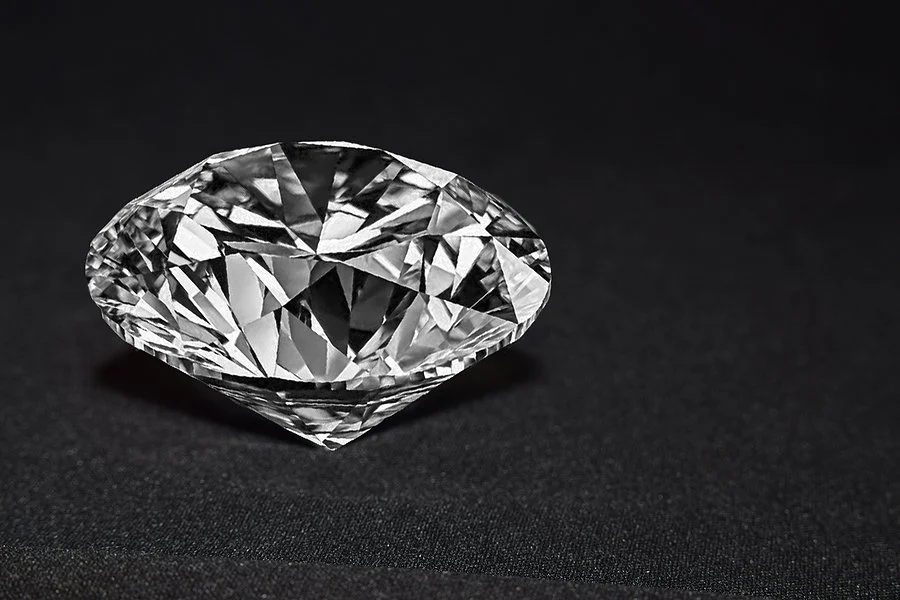
The rapid rise of lab-grown diamonds has completely transformed the modern jewelry landscape, sparking an important debate among collectors and fine jewelry enthusiasts. On paper, the appeal is obvious: lab-grown diamonds possess the identical chemical, physical, and optical properties of their mined counterparts, but come at a fraction of the price.
However, as consumers look to design bespoke heirlooms, a critical question arises: how do these manufactured stones impact the long-term investment value of a custom piece? To navigate this choice, it is essential to understand the fundamental difference between upfront cosmetic value and long-term secondary-market asset retention.
Cosmetic Value vs. Asset Retention
Lab-grown diamonds offer an undeniable advantage for buyers prioritizing immediate visual scale. They allow you to maximize your budget, securing a significantly larger, visually flawless stone for the same price as a smaller natural diamond.
The critical caveat, however, lies in market supply and rarity. Because lab-grown diamonds are manufactured in commercial laboratories using advanced technological processes, their supply is virtually infinite. As production technology becomes more efficient, the cost to create lab-grown diamonds continues to plummet year after year. Consequently, a synthetic stone lacks secondary-market resale value; if you attempt to sell a lab-grown diamond down the road, you will find very little demand on the estate market.
Natural diamonds, by contrast, are a finite geological resource formed over billions of years deep within the earth. This inherent rarity is why natural stones remain the premier choice for retaining measurable, long-term asset value.
Structuring a Smart Custom Investment
When commissioning a custom piece with a master studio like Luna Felix Goldsmith, your jewelry should be viewed as a cohesive repository of value. A smart custom investment balances the choice of stones with the undeniable intrinsic worth of the metals surrounding them.
Lab-Grown Choice: [Infinite Supply / Low Resale Stone] + [High-Value High-Karat Precious Metal]
Natural Choice: [Finite Supply / Asset Retention Stone] + [High-Value High-Karat Precious Metal]
By choosing natural gemstones, you ensure that both the center stone and the hand-forged setting move together as tangible assets. However, if you prefer the cosmetic benefits of a large lab-grown diamond, working with an elite studio like Luna Felix Goldsmith becomes even more vital.
When a synthetic stone is set into heavy, substantial 22-karat gold or accented with old-world granulation, the masterful benchwork and high-purity precious metals provide a rock-solid baseline of physical and artistic value. The custom craftsmanship itself ensures the piece behaves as an irreplaceable heirloom, balancing out the depreciating nature of a manufactured stone.
The Artisan Premium: Master designers like Luna Felix Goldsmith elevate fine jewelry into the realm of fine art. When a rare natural stone or a carefully chosen premium gem is married to meticulously hand-alloyed gold, the resulting one-of-a-kind original commands a distinct premium among collectors that mass-produced retail pieces simply cannot replicate.
Frequently Asked Questions
Why do natural diamonds retain their resale value over time while lab-grown diamonds do not?
Natural diamonds are a finite, rare commodity formed over billions of years, which maintains steady global demand on the secondary and estate markets. Lab-grown diamonds, conversely, can be mass-manufactured in unlimited quantities as technology improves, leading to a continuous drop in their market value and negligible resale potential.
Can a custom piece featuring a lab-grown diamond still be considered a good financial investment?
Yes, provided that the setting is handcrafted from high-purity, substantial precious metals by a prestigious studio like Luna Felix Goldsmith. While the synthetic stone itself will not hold resale value, the intrinsic weight of the high-karat gold and the unique artistic value of the custom benchwork ensure the piece retains material worth.
How does the purity of gold affect the overall value retention of custom jewelry?
Higher purity levels, such as the rich 22-karat gold utilized by Luna Felix Goldsmith, contain a significantly higher percentage of pure precious metal than standard commercial 14-karat alloys. This exceptional purity directly ties the baseline value of your custom jewelry to the global commodities market, offering superior raw material wealth retention.
Craft An Heirloom Jewelry Piece with Enduring Worth
Deciding between the immediate cosmetic allure of lab-grown stones and the timeless, finite rarity of natural gems requires a clear understanding of your long-term goals. Whichever path you choose for your stones, your setting deserves the absolute highest level of physical durability and artistic excellence.
Invest in a masterpiece that honors your capital and your personal legacy. Explore the breathtaking portfolio online at lunafelixgoldsmith.com, or call Luna Felix Goldsmith at 505-989-7679 today to schedule a design consultation at their Santa Fe studio and select the perfect, value-retaining materials for your next custom heirloom.

Do Lab-Grown or Natural Diamonds Make More Sense for You?
Ultimately, the best decision is the one that aligns with your priorities, but understanding the differences between lab-grown and natural diamonds will help you determine which is right for you.

Only diamonds are formed from a single element – carbon. Ideal for engagement rings, necklaces, earrings, and whatever else, these classic stones have always been nature's design, until now.
Greater exposure to new technology has made lab-grown diamonds possible in rings and other jewelry designs. When consumers interested in lab-grown diamonds come in to browse, one of their most common questions is: what’s the difference between lab-grown and natural diamonds, and which type is right for me?
But though they’re chemically and optically identical to mined diamonds, lab-grown diamonds are fundamentally different in terms of their origins, availability and value.
Ultimately, the best decision is the one that aligns with your priorities, but understanding the differences between lab-grown and natural diamonds will help you determine which is right for you.
Are Lab-Grown Diamonds Real?
The natural diamond, for sure, is millions — and sometimes billions — of years in the works. Here above ground, in labs and production facilities, lab-grown diamonds are made in a matter of weeks.
Even though the chemical, optical and physical characteristics are the same, a man-made diamond is not exactly the same as a natural diamond in terms of formation, rarity or value.
Stay with me here and maybe hopefully you’ll see why lab grown diamonds are always called lab created, lab grown, manmade or some term used to emphasize that they’re formed a new and shiny like vs formed by nature like earth made diamonds.
Lab Grown Diamonds vs Mined Diamonds
Creation
It’s the process of making these gemstones that is the primary difference between natural and lab-grown diamonds.
Lab-created diamonds are generated in a gem lab and are usually produced using High Pressure High Temperature (HPHT) or Chemical Vapor Deposition (CVD) techniques.
In these processes, an artificially-grown diamond is formed over a period of weeks. Both processes are common for rapidly and reliably growing lab-made diamonds. Modern technologies now make it possible to produce jewelry-quality lab-grown diamonds in a wide range of shapes, sizes, and even colors!
Natural diamonds, however, formed deep in the earth over the course of millions and frequently billions of years.
It took perfect conditions for gemstones to form under billions of tons of pressure under the earth’s crust, separating regular carbon from rare crystal, in order to produce diamonds naturally. Pressure, time, heat and the correct elements cooked up diamonds deep in the earth.
They were brought closer to the surface by similarly rare volcanic eruptions. The natural diamonds in fine jewelry are magical flukes of randomness, individuality and beautifully cosmic absurdity.
Rarity
Natural diamonds of jewelry quality are rarer than lab-grown diamonds with similar properties.
Price and Value
Lab-made diamonds are manufactured at scale, so their value isn’t based on scarcity: They can be created indefinitely.
This compares with the nosebleed $30,000 average price for natural diamonds, all of which however have at least some appraisable resale value, unlike the diamonds still hanging in the lab, and it is the price spread, from mine to lab, that tells you how much time and energy and capital this new technology just may be able to save.
Lab-grown diamonds can be produced much more quickly and plentifully and are therefore less expensive, meaning that larger diamonds are less expensive. Their ubiquitous nature might not make them inherently valuable.
Looks
At a glance, naturally-occurring diamonds and lab-grown diamonds are visually indistinguishable to the naked eye.
They’re just beautiful, sparkly additions to jewelry. But professional jewelers are frequently able to tell the difference between the two kinds of diamonds with sophisticated instruments.
Lab-grown diamonds frequently grow unnaturally fast, leading to telltale signs you won’t find in diamonds made by nature.
The Pros and Cons
When choosing between a natural diamond and a lab-grown diamond, it really comes down to what’s most important to you — or the person you’re buying for if the jewelry is a present.
There are those who may appreciate the rarity and distinctiveness of natural diamonds, and others who are more concerned with the price discrepancy between lab-grown diamonds.
At the end of the day, the “best” diamond is the one that reflects the values and preferences of the person who will be wearing the jewelry.
Select the diamond that tells your story, what is most important to you or your loved one.