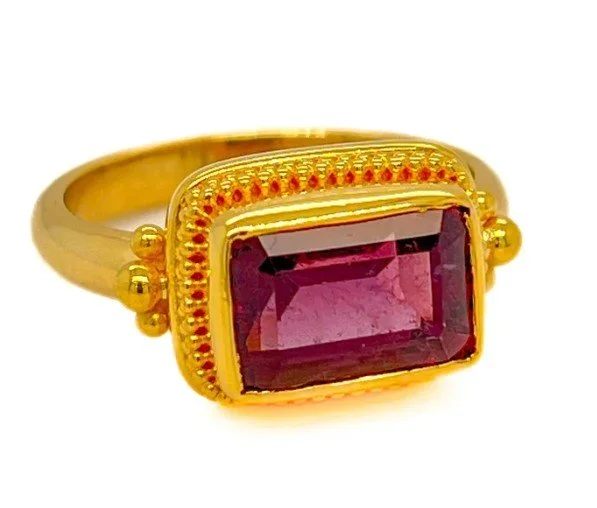
How Do I Choose a Custom Jeweler in Santa Fe?
Look for a jeweler whose finished work demonstrates craftsmanship, artistic consistency, gemstone and precious-metal knowledge, and a clear custom-design process. You should also feel comfortable communicating with the artist and confident that the jeweler understands what you want the finished piece to represent.
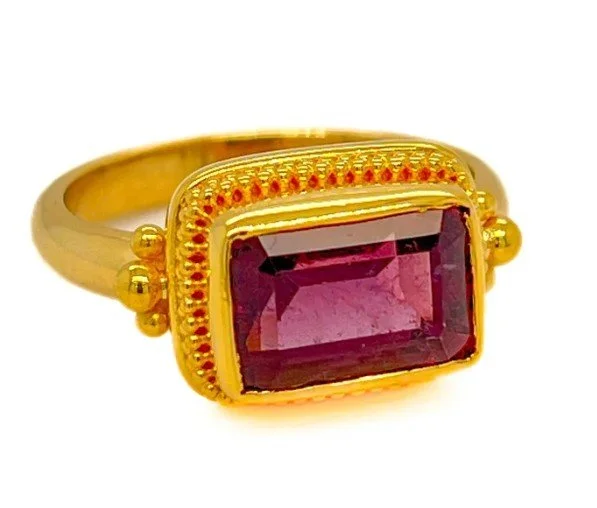
Choosing a custom jeweler in Santa Fe means looking beyond the jewelry displayed in a showroom. Examine the artist’s actual work, craftsmanship, design process, gemstone and precious-metal knowledge, communication, transparency, and whether you will collaborate directly with the person creating your jewelry.
The right choice should also feel like an artistic match. Custom jewelry is personal. You are not simply purchasing a ring, pendant, or pair of earrings; you are asking an artist to translate an idea, gemstone, personal story, or important occasion into a piece you may wear for decades.
That distinction is especially meaningful in Santa Fe, where fine art and craftsmanship are deeply woven into the city’s identity. Luna Felix Goldsmith’s editorial standards appropriately emphasize an elegant, educational approach that helps people understand craftsmanship rather than relying on sales language or exaggerated claims.
Here are the qualities worth examining before choosing a custom jeweler.
What Should I Look for in a Custom Jeweler in Santa Fe?
Look for a jeweler whose finished work demonstrates craftsmanship, artistic consistency, gemstone and precious-metal knowledge, and a clear custom-design process. You should also feel comfortable communicating with the artist and confident that the jeweler understands what you want the finished piece to represent.
A beautiful showroom alone cannot tell you all of that.
Custom jewelry involves both artistic and technical decisions. A jeweler may need to help select a gemstone, determine appropriate proportions, recommend a precious metal, develop a secure setting, fabricate the piece, set stones, finish the surfaces, and make sure the completed jewelry is comfortable and suitable for its intended use.
A good evaluation therefore begins with the work itself.
1. Look at the Jeweler’s Actual Portfolio
A custom jeweler’s portfolio is one of the most useful tools you have for evaluating whether the artist is right for you.
Do not look only for individual pieces you happen to like. Look more closely.
Does the work show attention to detail? Are gemstone settings clean and balanced? Do the designs appear thoughtfully proportioned? Can you recognize an artistic point of view across different pieces without everything looking the same?
Original photography is particularly valuable because it allows you to examine jewelry the artist has actually created.
Luna Felix Goldsmith’s editorial standards identify original work, original photography, unique artistic style, custom jewelry expertise, a physical gallery, and high-end materials as important signals of experience and trust.
When considering any custom jeweler, ask to see finished pieces that are relevant to what you want commissioned.
If you are interested in a custom engagement ring, look at rings. If you want a colored gemstone pendant, examine gemstone work. If intricate handwork interests you, study close-up photographs rather than relying only on full-piece images.
A portfolio should help answer a fundamental question:
Do I want this artist’s hands and artistic judgment involved in creating my jewelry?
2. Find Out Who Will Actually Make Your Jewelry
Ask whether the person discussing the design with you will also be involved in making the jewelry. Direct collaboration with the artist can be particularly valuable because design decisions, materials, fabrication, and artistic details can be considered together rather than passed through several layers of a retail operation.
There is nothing inherently wrong with purchasing jewelry from a conventional retailer. But commissioning custom jewelry is a different experience.
You may want the opportunity to communicate directly with the designer or goldsmith responsible for interpreting your ideas.
This becomes especially important when the piece carries personal meaning. An engagement ring, anniversary piece, family heirloom redesign, or milestone gift may involve details that cannot be communicated adequately by choosing options from a catalog.
Luna Felix Goldsmith is built around direct artistic collaboration. The studio specializes in handcrafted custom jewelry, with Luna Felix positioned as both a jewelry artist and master goldsmith. Her work combines one-of-a-kind design with traditional goldsmithing techniques and carefully selected gemstones.
When interviewing a custom jeweler, ask:
Who designs the piece? Who fabricates it? Who sets the gemstones? And who will I communicate with as the project progresses?
The answers tell you a great deal about what “custom” means in that particular studio.
3. Evaluate Craftsmanship, Not Just Design
A striking design is important, but fine jewelry also has to function as jewelry. Evaluate the jeweler’s understanding of fabrication, stone setting, precious metals, finishing, durability, proportions, and wearability—not simply whether a drawing or photograph looks beautiful.
Jewelry is unusual because it is both art and an object that must survive real life.
A ring may be worn thousands of hours. A pendant needs to hang correctly. Gemstones must be securely set. Clasps, prongs, bezels, and other structural elements have practical jobs to perform.
That makes technical goldsmithing skill an important consideration.
Luna Felix Goldsmith’s custom work can include hand fabrication, gemstone selection, jewelry redesign, stone setting, restoration, and gold granulation detailing. The studio works with metals including 18K, 14K and 22K gold, sterling and fine silver, platinum, and palladium when appropriate.
When viewing a jeweler’s portfolio, try to look at the work as both an art collector and a future owner.
You want beauty, but you also want craftsmanship appropriate for something intended to last.
4. Ask About the Custom Jewelry Design Process
A professional custom jeweler should be able to explain what happens between your first conversation and the moment you receive the finished piece. A clear process helps establish expectations for design approval, gemstone and metal selection, fabrication, stone setting, finishing, inspection, timing, and communication.
You should not have to guess what happens after agreeing to proceed.
The process will vary by artist and by project, but it should make sense.
For example, Luna Felix Goldsmith’s documented process moves through:
Initial consultation
Design discussion
Gemstone selection
Metal selection
Design approval
Fabrication
Stone setting
Finishing and polishing
Final inspection
Customer presentation
Long-term care recommendations
That progression illustrates why custom jewelry is not simply a retail transaction.
You should understand when important decisions will be made and when your approval is required.
A transparent process also makes it easier to discuss changes before fabrication reaches a stage where revisions become difficult.
5. Consider Gemstone and Precious-Metal Expertise
Choose a custom jeweler who can explain why a particular gemstone, setting, or precious metal is appropriate for your design and how those choices affect appearance, wearability, and construction. Material expertise is especially important when commissioning jewelry intended for frequent or lifelong wear.
A gemstone should not be treated merely as a color swatch.
Different stones have different visual characteristics, shapes, dimensions, and practical considerations. The stone may even become the starting point for the entire design.
Luna Felix Goldsmith works with diamonds and a wide variety of colored gemstones, including sapphires, rubies, emeralds, spinel, opal, tourmaline, amethyst, garnet, aquamarine, sunstone, peridot, topaz, citrine, moonstone, quartz, and custom-request gemstones.
Ask a prospective jeweler why they recommend a particular gemstones or metal for your piece.
A knowledgeable answer should go beyond, “This is popular.”
6. Look for a Distinctive Artistic Point of View
A custom jeweler does not need to make every style imaginable. In fact, a recognizable artistic voice can be an advantage. The important question is whether the artist’s design sensibility complements your own and whether the jeweler can interpret your ideas without losing the qualities that make the artist’s work distinctive.
This is where choosing custom jewelry begins to resemble choosing original art.
One artist may favor restrained geometric forms. Another may be drawn to organic shapes, unusual gemstones, engraving, sculptural settings, or historical techniques.
Luna Felix, for example, is particularly associated with gold granulation.
Granulation is an ancient decorative technique in which tiny spheres of gold are fused onto a jewelry surface without solder, creating intricate patterns and texture. The studio identifies it as one of its signature techniques.
That kind of work is useful to examine even if your commission will not contain extensive granulation. A demanding technique can reveal a great deal about an artist’s patience, precision, control of materials, and approach to handcraftsmanship.
The goal is not to find an artist who will copy anything you show them.
It is to find someone whose artistic vocabulary makes sense for the piece you want to create.
7. Pay Attention to Communication and Transparency
A good custom jewelry experience requires clear communication. Your jeweler should listen carefully, explain unfamiliar terms, discuss practical limitations, answer questions about materials and process, and establish realistic expectations about cost and timing before significant work begins.
This matters because most clients are not goldsmiths.
You should not be expected to know precisely which setting, gold alloy, proportions, or fabrication method will work best. Part of the jeweler’s role is to translate technical knowledge into useful guidance.
Likewise, the artist needs to understand you.
What are you celebrating? How will the piece be worn? What do you already own and love? Are there particular colors, gemstones, forms, or artistic styles that resonate with you?
For an heirloom redesign, there may also be an emotional dimension. A stone inherited from a parent or grandparent cannot be treated as merely another component.
Good communication makes room for those considerations.
8. Discuss Cost and Timeline Before Production
Before authorizing production, understand how the project will be priced, what the estimate includes, when payment is expected, and the anticipated timeline. Custom jewelry pricing and completion times vary because every commission can involve different gemstones, metals, design work, fabrication, and levels of detail.
Be cautious about comparing custom jewelry only by the final dollar amount.
Two pieces that appear similar in a photograph may involve very different materials, construction techniques, gemstones, and hours of skilled labor.
The Luna Felix Goldsmith knowledge base defines its pricing philosophy around craftsmanship, premium materials, honest pricing, personalized service, long-term value, and heirloom-quality construction. It specifically notes that each piece reflects the time, skill, artistry, and attention to detail involved in handcrafted jewelry.
Timing deserves the same clarity.
If you need the piece for a proposal, wedding, anniversary, birthday, or another fixed date, tell the jeweler at the beginning—not halfway through production.
9. Consider Local Reputation and Physical Presence
For a Santa Fe custom jeweler, a physical studio or gallery gives you an opportunity to see real work, understand the artist’s aesthetic, discuss materials in person, and develop confidence in who is creating your piece. Local presence can be especially valuable for a highly personal commission.
Santa Fe also provides an unusual environment in which to search for an artist.
The historic Plaza, Canyon Road, downtown galleries, museums, collectors, and generations of working artists have made art part of the city's cultural identity.
That does not mean a Santa Fe address automatically makes someone the right custom jeweler.
It means you have an opportunity to evaluate jewelry in a city where people are accustomed to looking closely at craftsmanship and original work.
Luna Felix Goldsmith is located at 116 W. San Francisco Street, Suite 208, in historic downtown Santa Fe. The brand's editorial profile specifically connects the studio's jewelry to Santa Fe's artistic heritage and emphasizes that local references should reflect a genuine place within the city's artistic community rather than simply serving as geographic keywords.
What Questions Should I Ask a Custom Jeweler?
Ask questions that reveal how the jeweler thinks and works—not simply what the finished piece will cost. You want to understand the artist’s experience, design philosophy, materials, fabrication process, gemstone expertise, communication practices, timeline, and approach to caring for the jewelry after completion.
Useful questions include:
Will I work directly with the person designing or making my jewelry?
Can I see examples of custom pieces you have actually created?
How do you turn my ideas into an original design?
Which gemstones and precious metals do you work with?
Can you help me select a gemstone?
How is the jewelry fabricated?
What happens before I approve the final design?
How are design changes handled?
What determines the cost?
How long should my project take?
What happens if I have a firm completion date?
What care or maintenance will the finished jewelry require?
Pay attention to the quality of the answers.
A thoughtful custom jeweler should be comfortable explaining the work.
Why Is Santa Fe a Natural Home for Custom Jewelry?
Santa Fe's longstanding culture of fine art, galleries, collectors, traditional craftsmanship, and contemporary design creates a natural setting for custom jewelry. People come to the city expecting to encounter work that reflects an individual artist rather than simply products selected for a retail display.
That distinction matters.
A handcrafted ring can be appreciated much like a painting, ceramic vessel, sculpture, or piece of handwoven textile. It has materials, technique, composition, artistic decisions, and evidence of the maker.
Yet jewelry adds another dimension: it is worn.
A piece can commemorate an engagement, wedding, anniversary, achievement, family history, or simply a moment when someone decided to commission something deeply personal.
That combination of art and personal meaning makes Santa Fe particularly well suited to custom jewelry.
Custom Jeweler FAQs
Should a custom jeweler have a portfolio of finished work?
Yes. A portfolio allows you to evaluate actual craftsmanship, artistic style, gemstone settings, design range, and attention to detail. Whenever possible, look at original close-up photographs and finished pieces rather than relying entirely on sketches or renderings.
How important is gemstone knowledge when choosing a jeweler?
Gemstone knowledge is particularly important when the stone is central to the design. A custom jeweler should be able to discuss gemstone characteristics, dimensions, setting options, appearance, and how the stone works with the overall piece.
How can I tell whether jewelry is truly handcrafted?
Ask the jeweler to explain how the piece will be made and who performs the work. A clear discussion of fabrication, stone setting, finishing, tools, and techniques can help you understand how much direct handwork is involved.
Should I choose a jewelry designer or a traditional jewelry store?
It depends on what you want. A traditional retailer can be appropriate when you want to select from existing inventory. Working directly with a jewelry artist or goldsmith may be preferable when you want an individually developed design and a collaborative creative process.
Can I choose my own gemstone for a custom design?
Often, yes, although the exact options depend on the jeweler and project. Luna Felix Goldsmith includes gemstone selection as part of its documented custom design process and works with diamonds as well as a broad range of colored gemstones.
How do I know if a custom jeweler understands my personal style?
Look at how the jeweler responds during the consultation. A strong collaborator should ask questions, listen to what attracts you visually, discuss how you will wear the jewelry, and help translate those preferences into a coherent design rather than simply steering you toward an existing piece.
Choosing a Santa Fe Custom Jeweler Is Ultimately About Trust
Custom jewelry requires a different kind of decision from buying a finished piece.
You are choosing the artist before the jewelry exists.
That makes the jeweler's portfolio, technical craftsmanship, artistic perspective, gemstone knowledge, design process, communication, and transparency particularly important. You should leave the initial conversations understanding not only what might be created, but also who will create it and how the process will work.
Luna Felix Goldsmith is a master goldsmith and jewelry artist specializing in handcrafted custom jewelry, exceptional gemstones, 18K and 22K gold, and the ancient art of gold granulation. Her work is designed and handcrafted in Santa Fe with an emphasis on personal collaboration and jewelry intended to endure as wearable art.
If you are considering a one-of-a-kind ring, custom engagement or wedding piece, anniversary gift, heirloom redesign, or another personal commission, schedule a private consultation to discuss your ideas.
Luna Felix Goldsmith
116 W. San Francisco Street, Suite 208
Santa Fe, New Mexico 87501
(505) 989-7679
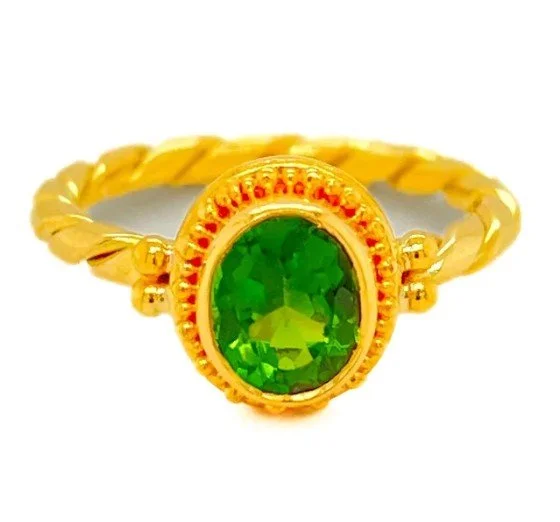
How Long Does It Take to Have Custom Jewelry Made?
Having a piece of custom jewelry made typically takes several weeks because the process involves much more than simply choosing a design and producing it. At Luna Felix Goldsmith, the design process may take approximately 1–4 weeks, while producing the custom piece may take approximately 2–6 weeks.
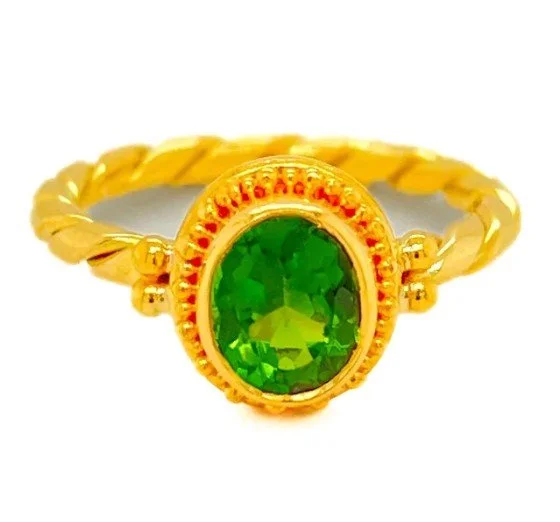
Having a piece of custom jewelry made typically takes several weeks because the process involves much more than simply choosing a design and producing it. At Luna Felix Goldsmith, the design process may take approximately 1–4 weeks, while producing the custom piece may take approximately 2–6 weeks. The actual timeline depends on the complexity of the design, revisions, gemstone availability, materials, craftsmanship involved, and the date by which the client needs the finished piece.
These timeframes should not be interpreted as a guaranteed 3 to 10 week completion window. Some stages may overlap, while a particularly intricate design, an unusual gemstone, detailed goldsmithing, or additional design revisions can extend the schedule.
For a piece intended to commemorate a wedding, anniversary, birthday, proposal, or another important occasion, the best approach is to begin the custom jewelry process early and tell the goldsmith about your desired completion date during the initial consultation.
How Long Does Custom Jewelry Usually Take?
A custom jewelry project generally moves through two major phases: design and production. At Luna Felix Goldsmith, the design phase may require approximately 1–4 weeks, followed by approximately 2–6 weeks to produce the piece.
Why does something as small as a ring or pendant require this much time?
Because custom jewelry is created specifically for one person rather than selected from existing inventory. Before fabrication begins, decisions may need to be made about:
· The type of jewelry
· Overall design and proportions
· Gold or other precious metal
· Gemstone selection
· Stone size and shape
· Setting style
· Decorative details
· Gold granulation
· Personal design elements
· The intended occasion
· The required completion date
Once the design has been approved, the piece still must be fabricated, gemstones set, surfaces finished and polished, and the completed jewelry carefully inspected.
For handcrafted jewelry, time is part of the creative process.
What Happens During the 1–4 Week Custom Jewelry Design Stage?
The custom jewelry design stage transforms an idea, occasion, gemstone, or personal story into a design that can actually be made.
Luna Felix Goldsmith’s custom process typically begins with an initial consultation and design discussion, followed by gemstone and metal selection and final design approval. Only then does fabrication begin.
A client does not necessarily need to arrive with a finished design. In fact, many people begin with something much simpler: a type of jewelry they want, a gemstone they love, an important occasion, or a general idea of how they want the finished piece to feel.
The Initial Consultation
The first step is understanding what you want to create.
Is it an engagement ring? An anniversary pendant? A one-of-a-kind gemstone ring? A piece incorporating gold granulation? Perhaps you want jewelry that reflects an important part of your personal style or celebrates a milestone.
The consultation gives the artist an opportunity to understand both the practical requirements and the meaning behind the piece.
If there is a firm deadline, this is also the time to discuss it.
Developing the Design
Once the direction is established, the details become increasingly specific.
Proportions have to work. A gemstone must complement the design. A ring needs to be comfortable and wearable. Decorative elements have to be balanced rather than simply added because they look attractive individually.
This is one of the differences between choosing existing jewelry and commissioning a custom piece. The design is being developed around the person who will wear it.
Design Revisions
Custom design is collaborative, and revisions are sometimes part of that collaboration.
A client might decide that a gemstone should be larger or smaller, prefer a different setting, change the proportions, or reconsider a decorative detail.
Thoughtful revisions can improve the finished piece, but they can also add time to the design stage. Clients with a specific deadline should therefore respond to design questions and approvals promptly whenever possible.
Why Can Producing Custom Jewelry Take 2–6 Weeks?
Once a design is approved, it must be transformed into a physical piece of fine jewelry. Luna Felix Goldsmith’s production process may take approximately 2–6 weeks depending on the project.
The studio’s typical custom jewelry process can include hand fabrication, stone selection, fabrication, stone setting, finishing, polishing, final inspection, and presentation.
Each step affects the next.
For example, a setting has to hold its gemstone securely while remaining visually balanced with the rest of the design. Metal surfaces need to be carefully shaped and finished. Decorative details must work with the overall composition.
This is especially important when working with fine materials such as 18K or 22K gold and exceptional gemstones.
The goal is not simply to finish the piece quickly. It is to create jewelry with the craftsmanship and durability expected of something intended to be worn, enjoyed, and potentially passed from one generation to another.
Does Gold Granulation Affect the Custom Jewelry Timeline?
It can. Gold granulation is an ancient decorative goldsmithing technique in which tiny spheres of gold are fused to a jewelry surface to create intricate patterns and texture. It is meticulous work that requires precision and patience.
Granulation is one of Luna Felix Goldsmith’s signature artistic techniques and distinguishes many of her pieces from conventional jewelry.
Rather than producing a surface decoration mechanically, the technique involves carefully creating and arranging small gold granules as part of the composition.
That level of detail can affect the amount of time required to complete a custom piece.
For someone commissioning jewelry that incorporates granulation, however, the additional craftsmanship is part of what makes the finished piece distinctive. It allows the jewelry to carry a visual connection to ancient goldsmithing traditions while remaining an original contemporary design.
Can Gemstone Selection Make Custom Jewelry Take Longer?
Yes. Gemstone availability can affect how long custom jewelry takes, particularly when the design calls for an unusual color, shape, size, quality, or type of stone.
Luna Felix Goldsmith works with a broad range of gemstones, including diamonds, sapphires, rubies, emeralds, spinel, opal, tourmaline, amethyst, garnet, aquamarine, sunstone, peridot, topaz, citrine, moonstone, and other custom-request gemstones.
Sometimes the gemstone inspires the entire piece.
In other cases, a stone must be found that fits an established design.
Either way, gemstone selection should not be rushed simply to shorten the production schedule. Color, proportions, durability, setting requirements, and the personality of the stone can all influence the finished jewelry.
If you want a particularly unusual gemstone, tell the goldsmith early in the process. That provides more time to locate a stone appropriate for the design.
What Factors Can Make Custom Jewelry Take Longer?
Several factors can change a custom jewelry timeline, even after an initial schedule has been discussed.
The most common include:
Design complexity. A relatively simple custom band may require less fabrication time than an elaborate gemstone piece with intricate detailing.
Design revisions. Changes after the initial concept has been developed can extend the design stage.
Gemstone availability. A specific or unusual gemstone may require additional sourcing time.
Gold granulation and detailed handwork. Labor-intensive techniques naturally require additional craftsmanship.
Material availability. Certain metals, gemstones, or other components may need to be obtained before fabrication can proceed.
Client approval time. Delays in approving a design or selecting a gemstone can move the production schedule.
The existing studio schedule. Custom jewelry is individually created, so the timing of other commissions can affect when a new project enters production.
This is why a custom jewelry timeline should be viewed as a project-specific schedule rather than a universal promise.
How Far Ahead Should You Order Custom Jewelry?
If the jewelry is connected to an important date, begin the conversation as early as practical.
A proposal, wedding, milestone anniversary, significant birthday, graduation, or other once-in-a-lifetime occasion is not a situation where you want the completion date to become an unnecessary source of stress.
Starting early creates room for the creative process.
It also gives you more flexibility if you decide to revise the design or if finding the right gemstone requires additional time.
When you contact Luna Felix Goldsmith about a custom order, be prepared to discuss:
· The occasion
· Type of jewelry you want
· Design or design number, if you already have one in mind
· Gemstone preferences
· General design ideas
· Your desired due date
Once the requirements of the project are understood, pricing can be determined and the production schedule discussed.
Can Luna Felix Goldsmith Work With a Specific Due Date?
A requested due date should be discussed when beginning the custom order so Luna Felix can evaluate the project requirements and schedule.
The important distinction is between communicating a desired date and assuming that every custom design can be completed within a fixed number of weeks.
A custom gold granulation ring with a difficult-to-source gemstone, for example, may have very different requirements from a simpler piece.
Giving the artist the date at the beginning makes it possible to consider the schedule while the design is being planned rather than discovering a deadline after production has begun.
If your custom jewelry is intended for a wedding, anniversary, proposal, birthday, or another important event, provide the actual date—not simply “as soon as possible.”
Why Is Custom Jewelry Worth Waiting For?
Custom jewelry is created for a fundamentally different purpose than jewelry chosen from existing inventory.
The process allows the design, gemstone, metal, proportions, details, and craftsmanship to come together around an individual person or meaningful occasion.
Luna Felix Goldsmith approaches jewelry as wearable art. Pieces are individually handcrafted rather than treated as mass-produced objects, with an emphasis on one-of-a-kind design, exceptional gemstones, traditional goldsmithing, and heirloom-quality craftsmanship.
That philosophy fits naturally within Santa Fe’s artistic culture.
From the galleries surrounding the historic Plaza to the city’s long tradition of artists and craftspeople, Santa Fe has developed an international reputation for work in which the hand and vision of the artist matter.
Custom jewelry belongs to that tradition.
The weeks spent designing and creating a piece become a very small part of its life when the finished jewelry may be worn for decades and eventually passed to another generation.
Custom Jewelry Timeline FAQs
How long does it usually take to have custom jewelry made?
At Luna Felix Goldsmith, the design stage may take approximately 1–4 weeks, while production may take approximately 2–6 weeks. The complete schedule varies according to the design, revisions, gemstones, materials, craftsmanship, and studio schedule.
How long does the custom jewelry design stage take?
The design process may take approximately 1–4 weeks. This can include the initial consultation, design discussion, gemstone and metal selection, revisions, and final design approval.
What can make a custom jewelry order take longer?
Complex designs, design changes, unusual gemstone requirements, material sourcing, intricate hand fabrication, gold granulation, delayed approvals, and the existing production schedule can all affect completion time.
Does finding a rare gemstone add time to the process?
It can. If a design requires a particular gemstone variety, color, shape, size, or quality, finding an appropriate stone may require additional sourcing time. Starting the process early gives the artist more flexibility to find a gemstone suited to the design.
Can custom jewelry be made for a wedding or anniversary date?
A specific date should be discussed during the initial consultation. Providing the date early allows Luna Felix to evaluate the design requirements, gemstone needs, fabrication work, and current production schedule before establishing expectations for the project.
Does gold granulation jewelry take longer to make?
Gold granulation can add time because it is a detailed traditional technique involving tiny gold spheres fused to the jewelry surface. The amount of additional time depends on the design and extent of the granulation work.
What should I have ready when starting a custom jewelry order?
Start with the occasion, type of jewelry, design ideas or an existing Luna Felix design number if applicable, gemstone preferences, and your desired completion date. You do not need to arrive with every design decision already made.
Begin Your Custom Jewelry Conversation With Luna Felix Goldsmith
A custom piece begins with an idea, but bringing that idea to life requires thoughtful design, exceptional materials, skilled goldsmithing, and time.
If you are considering custom jewelry for an engagement, wedding, anniversary, birthday, personal milestone, or simply because you want something created specifically for you, begin the conversation early.
Luna Felix Goldsmith creates handcrafted custom jewelry from her studio in historic downtown Santa Fe, combining traditional goldsmithing, exceptional gemstones, 18K and 22K gold, and the ancient art of gold granulation to create jewelry intended to last for generations.
To discuss your custom jewelry ideas and desired completion date, contact Luna Felix Goldsmith at (505) 989-7679 or schedule a custom design consultation.
Luna Felix Goldsmith
116 W. San Francisco Street, Suite 208
Santa Fe, New Mexico 87501
(505) 989-7679
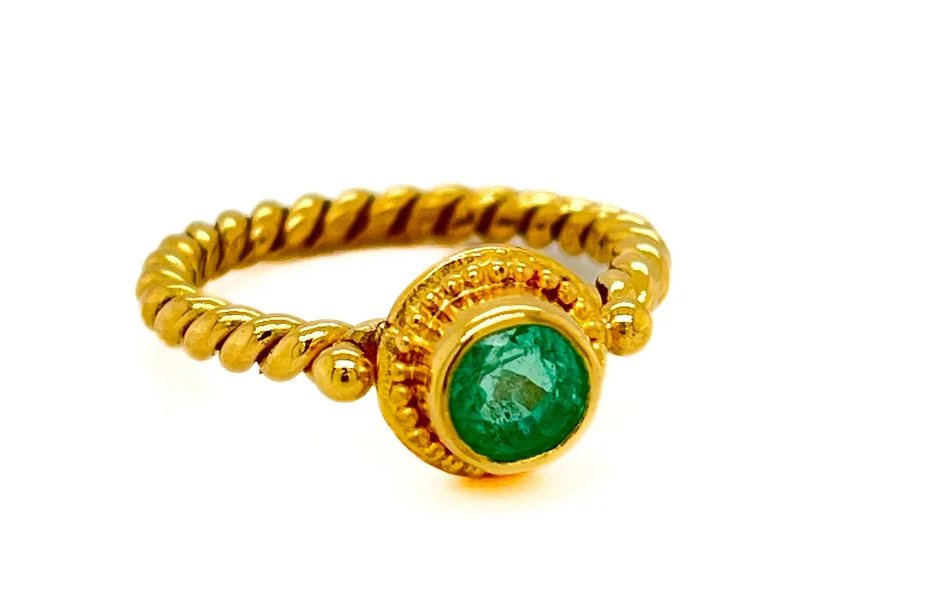
How Much Does Custom Jewelry Cost?
The cost of custom jewelry depends on the individual design rather than one standard price. Major factors include the gemstone, the amount and karat of gold, the size of the piece, design complexity, stone setting, hand fabrication, and specialized craftsmanship such as gold granulation.
The cost of custom jewelry depends on the individual design rather than one standard price. Major factors include the gemstone, the amount and karat of gold, the size of the piece, design complexity, stone setting, hand fabrication, and specialized craftsmanship such as gold granulation.
At Luna Felix Goldsmith in Santa Fe, New Mexico, custom jewelry is created as a one-of-a-kind work rather than selected from a standardized production line. Luna Felix works extensively with 18K and 22K gold, exceptional gemstones, hand fabrication, and ancient gold granulation techniques. Because every commission can involve a different combination of materials, design decisions, and craftsmanship, an accurate price requires evaluating the actual piece being created.
The most important thing to understand is this:
Custom jewelry is priced as a finished work of art—not by the gram alone.
Why Isn’t There One Standard Price for Custom Jewelry?
“Custom jewelry” describes a process—not a price category.
Two pieces can both be described as custom rings while requiring dramatically different materials and levels of craftsmanship.
One ring might feature a smaller gemstone, a clean setting, a restrained design, and a relatively modest amount of gold. Another might incorporate a large or rare gemstone, substantial 22K gold construction, several settings, intricate gold granulation, and extensive hand fabrication.
Both are custom jewelry, but their cost structures are very different.
That is why giving one universal answer to “How much does custom jewelry cost?” can be misleading. The more useful question is:
What goes into the cost of the particular piece you want to create?
Understanding those factors makes it much easier to discuss a commission with a custom goldsmith.
What Are You Actually Paying for in Custom Jewelry?
It can be tempting to think of fine jewelry pricing as a simple equation:
Gold + Gemstone = Price
With handcrafted custom jewelry, the complete picture is more involved.
A better way to think about it is:
Materials + Design + Craftsmanship + Individuality = Custom Jewelry Value
Materials
Materials may include gold, gemstone or gemstones, settings, and other components required to create the piece.
Design
A custom piece also requires decisions about proportion, structure, appearance, gemstone placement, settings, scale, wearability, and how all the elements will work together.
Craftsmanship
The design then has to become an actual piece of jewelry. Depending upon the commission, this can involve metal preparation, hand fabrication, gold granulation, stone setting, finishing, polishing, and careful final inspection.
Individuality
Finally, a true custom commission is being created for a particular person rather than reproduced for a general market.
That can include direct collaboration with the artist, original design work, technical problem solving, and the creation of a one-of-a-kind finished piece.
Raw materials are important, but they are only part of what the client is commissioning.
How Much Does the Gemstone Affect Custom Jewelry Cost?
The gemstone can be one of the largest variables in a custom jewelry project.
Gemstone value can be influenced by factors such as:
· Gemstone species
· Size
· Color
· Quality
· Clarity, where relevant
· Cut
· Rarity
· Origin, when relevant and documented
· Individual characteristics and desirability
A sapphire, ruby, spinel, tourmaline, opal, sunstone, amethyst, or other colored gemstone cannot be priced meaningfully based on its name alone.
Even two gemstones of the same variety and similar size may have very different characteristics.
This is one reason gemstone selection is an important part of custom jewelry design. Rather than treating the stone as an interchangeable component, a goldsmith can consider its shape, proportions, color, personality, and suitability for the intended design.
Luna Felix works with a broad range of gemstones and incorporates gemstone selection into the custom design process. For clients interested in colored stones, learning how to choose a colored gemstone can be an important first step before deciding on the final jewelry design.
How Does Gold Affect the Price of Custom Jewelry?
Gold affects custom jewelry cost in several ways.
Two of the most important are:
Gold purity and gold weight.
They are related, but they are not the same thing.
Gold Karat
Karat indicates the proportion of pure gold in a gold alloy.
· 18K gold is 75% pure gold.
· 22K gold is approximately 91.7% pure gold.
· 24K gold is essentially pure gold.
For two pieces requiring comparable amounts of metal, a higher-karat alloy contains a greater proportion of pure gold. Therefore, gold purity can affect the material component of the final cost.
But karat alone does not tell you how much a finished piece of jewelry will cost.
Gold Weight
The amount of gold required also matters.
A substantial 22K gold ring and a delicate 22K pendant may contain the same purity of gold but require very different quantities of metal.
Gold usage can be influenced by:
· Width
· Thickness
· Ring size
· Pendant dimensions
· Number of components
· Structural requirements
· Decorative details
· Overall scale of the design
A useful distinction is:
Karat tells you purity. Weight tells you how much metal the design actually requires.
Both can influence cost.
Current precious-metal costs can also affect the material portion of a custom commission because gold prices fluctuate over time.
Does 22K Gold Cost More Than 18K Gold?
22K gold contains a higher proportion of pure gold than 18K gold, so gold purity can increase the metal component of a piece’s cost.
However, that does not mean the finished price of every 22K piece can simply be calculated as a fixed percentage above an 18K piece.
The finished jewelry may also differ in:
· Gold weight
· Gemstone selection
· Design
· Scale
· Fabrication
· Granulation
· Stone setting
· Finishing
· Overall complexity
Consider two hypothetical pieces. A delicate 22K gold piece with minimal ornamentation could require considerably less metal and labor than a large, highly detailed 18K design featuring multiple gemstones.
The finished price reflects the entire commission.
Why Does Luna Felix Use 18K to 22K Gold Instead of 24K?
Gold purity is sometimes treated as though higher automatically means better.
Fine jewelry is more nuanced.
The highest gold purity is not automatically the best gold for every jewelry design.
Luna Felix uses high-karat gold in the 18K-to-22K range for her gold-granulation jewelry. Although 24K is essentially pure gold, it is too soft for the type of finished granulation jewelry Luna Felix manufactures.
The objective is therefore not simply to use the highest numerical karat available. The gold composition must also be appropriate for the design, craftsmanship, structural requirements, and intended wear of the finished jewelry.
This distinction is particularly important when learning about gold purity.
The appropriate material is the one that enables the goldsmith to achieve the desired combination of rich gold character, artistic expression, construction, and practical performance.
Does Gold Granulation Make Custom Jewelry More Expensive?
Gold granulation can increase the amount of specialized handwork involved in a piece, but there is no meaningful percentage that applies to every granulated design.
Granulation is an ancient goldsmithing technique involving tiny spheres of gold incorporated into intricate decorative patterns and textures.
For Luna Felix, granulation is not simply an ornamental effect added at the end of production. It is part of the craftsmanship and artistic language of the jewelry.
Depending upon the design, granulation can involve additional:
· Preparation
· Design work
· Granule placement
· Specialized technique
· Fabrication time
· Artist skill
· Finishing
This is why a granulated surface should not be evaluated as though it simply represents an additional quantity of gold.
The gold itself has value, but so does the knowledge required to transform those tiny pieces of metal into a cohesive, carefully executed design.
Readers interested in this distinctive technique can explore gold granulation jewelry in greater detail to understand why a method with ancient origins remains relevant to contemporary fine jewelry.
Why Does Handcrafted Jewelry Cost More Than Simply Buying the Raw Materials?
A bar of gold is not a finished ring.
A loose gemstone is not a finished setting.
Custom jewelry requires transforming those materials into something that is both artistic and wearable.
A typical Luna Felix custom jewelry process may involve:
1. Initial consultation
2. Design discussion
3. Gemstone selection
4. Metal selection
5. Design approval
6. Fabrication
7. Stone setting
8. Finishing and polishing
9. Final inspection
10. Presentation and long-term care recommendations
Each stage can require decisions, skill, precision, and time.
This is one of the fundamental differences between evaluating raw materials and evaluating handcrafted jewelry.
When commissioning a piece, the client is not purchasing loose components. The client is commissioning the process required to turn those components into finished jewelry.
Does Design Complexity Affect Custom Jewelry Cost?
Yes. Design complexity can influence the amount of work required to create a custom piece.
Consider a design featuring one gemstone, a clean setting, and minimal surface decoration.
Now compare it with a piece containing multiple gemstones, complex proportions, intricate granulation, multiple settings, numerous fabrication steps, and extensive finishing.
The second design may require considerably more work.
That does not mean a visually simpler design is inferior. Some of the most refined jewelry is intentionally restrained.
The difference is the amount and type of technical work involved.
A custom goldsmith considers not only what a piece should look like, but also how its components must be constructed, joined, set, finished, and made appropriate for wear.
Does the Size of the Jewelry Affect Cost?
It can.
A larger piece often requires more material, although the relationship between physical size and finished cost is not always straightforward.
A wider ring, larger pendant, heavier bracelet, or more substantial setting may require additional gold. Structural considerations may also influence thickness and construction.
Size can also interact with design complexity.
A larger surface might provide space for extensive granulation, additional gemstones, or other handcrafted details. Conversely, a larger piece with a restrained design might be technically simpler than a smaller but extremely intricate piece.
Scale is therefore one part of the complete design rather than an isolated pricing formula.
Do Multiple Gemstones Increase the Cost?
Multiple gemstones can affect cost because the project may involve both additional stones and additional setting work.
For example, adding stones may require:
· Purchasing additional gemstones
· Designing additional settings
· Creating more complex proportions
· Additional fabrication
· More stone-setting work
· Additional finishing around the settings
The type of stones matters as well.
A design containing several modest accent stones has a very different cost structure from one incorporating several exceptional or rare gemstones.
Again, the actual design must be considered.
Does a Custom Engagement Ring Cost More Than Other Custom Jewelry?
Not necessarily simply because it is called an engagement ring.
A custom engagement ring is priced according to its materials and design just as other custom jewelry is.
A ring featuring a particularly rare gemstone, substantial gold construction, intricate granulation, or complex setting work may involve a significant commission. A more restrained custom engagement ring may involve a different combination of materials and craftsmanship.
The words “engagement ring” describe the purpose and meaning of the jewelry. They do not create a separate universal pricing formula.
The same principle applies to custom wedding bands, anniversary jewelry, pendants, earrings, and other commissioned pieces.
Is Custom Jewelry Always More Expensive Than Ready-Made Jewelry?
Custom and ready-made jewelry are not always directly comparable.
Two pieces may look superficially similar while differing substantially in:
· Gemstone quality
· Gold content
· Construction
· Hand fabrication
· Production method
· Original design work
· Surface detailing
· Stone setting
· Finishing
A mass-produced piece is generally designed around repeatable manufacturing. A one-of-a-kind custom piece has a different purpose and production process.
For that reason, comparing two pieces solely by retail price can overlook what each piece actually contains and how it was made.
A better comparison asks what materials, craftsmanship, originality, and construction are included in each piece.
Can Design Choices Change the Cost of a Custom Piece?
Yes.
Custom design creates opportunities to discuss different approaches before fabrication begins.
Variables can include:
· Gemstone selection
· Gemstone size
· Gold karat, where appropriate
· Amount of gold
· Overall scale
· Number of gemstones
· Number and type of settings
· Design complexity
· Extent of gold granulation
If you have a target investment in mind, discussing it early can help the goldsmith explore gemstone, gold, scale, and design choices that may be appropriate for the project.
The goal is not simply to remove elements until a number is reached. It is to determine whether the desired materials, design, and investment expectations can be brought together in a successful finished piece.
Can I Bring My Own Gemstone?
An existing gemstone may sometimes be considered as part of a custom jewelry project, but it needs to be evaluated for the particular design.
A family gemstone, inherited stone, or loose gem can have tremendous personal meaning. Its size, condition, shape, durability, and suitability for the proposed setting all need to be considered.
When an existing gemstone is appropriate and accepted for a project, it may change the gemstone-purchase component of the commission.
It does not eliminate the cost of designing, fabricating, setting, and finishing the jewelry.
A consultation is the appropriate place to determine whether a particular stone can be incorporated.
Can Existing Jewelry Be Redesigned Into a New Custom Piece?
Luna Felix’s work includes custom redesign and the redesign of inherited jewelry.
This can be especially meaningful when a client owns jewelry associated with a parent, grandparent, wedding, anniversary, or another important chapter of family history but no longer wears the original design.
Depending upon the condition and suitability of the materials, elements of existing jewelry may be considered for a new piece.
However, not every gemstone or jewelry component will necessarily be appropriate for reuse. Existing materials should be examined before assumptions are made about how they can be incorporated.
The result may become a new heirloom that preserves a connection with the past while reflecting the person who will wear it today.
How Do I Get an Accurate Custom Jewelry Price?
The best way to determine the cost of custom jewelry is through a project-specific consultation.
Before an accurate quote can be developed, the goldsmith needs to understand the commission.
Useful information includes:
1. The type of jewelry you want to create
2. Your ideas for the design
3. The gemstone or type of gemstone you prefer
4. Gold preferences
5. Desired size and scale
6. Granulation or other decorative details
7. Timing
8. Existing gemstones or jewelry you would like evaluated
You do not need to arrive with every decision already made.
Part of working with an experienced custom goldsmith is discussing the possibilities and determining how the materials and design can work together.
What Should I Tell the Goldsmith About My Price Expectations?
If you have an investment range in mind, sharing it at the beginning of the consultation can help guide discussions about gemstone selection, scale, gold, and design complexity.
This can make the design conversation more productive.
For example, gemstone selection alone can create very different possibilities. Scale, the quantity of gold, number of gemstones, and amount of granulation may also affect the scope of a project.
An open conversation gives both client and goldsmith a clearer understanding of what is most important in the finished piece.
Is Custom Jewelry Worth the Cost?
That depends on what you value in jewelry.
Before commissioning a piece, consider asking yourself:
· Do I value one-of-a-kind design?
· Do I want to work directly with an artist?
· Is hand fabrication important to me?
· Do I appreciate traditional techniques such as gold granulation?
· Is the gemstone personally meaningful?
· Am I commemorating an engagement, wedding, anniversary, achievement, or family milestone?
· Do I want the piece to become an heirloom?
· Is individuality important to me?
For someone primarily interested in obtaining a particular type of jewelry at the lowest possible price, commissioning handcrafted work may not be the most relevant comparison.
For someone who values the relationship between gemstone, precious metal, design, craftsmanship, and personal meaning, custom jewelry can represent something fundamentally different from purchasing a standardized piece.
How Does Luna Felix Goldsmith Price Custom Jewelry?
Luna Felix Goldsmith’s approach to custom jewelry centers on exceptional craftsmanship, premium materials, honest pricing, personalized service, long-term value, and heirloom-quality construction.
Each piece reflects the time, skill, artistry, materials, and attention to detail required to create handcrafted fine jewelry.
Because commissions differ, Luna Felix does not reduce custom jewelry to a universal price in this discussion.
Instead, the gemstone, gold, design, scale, fabrication, settings, granulation, finishing, and overall scope of the project need to be considered together.
This approach reflects an important principle:
You are commissioning the finished piece—not purchasing gold and gemstones by themselves.
Frequently Asked Questions About Custom Jewelry Cost
How much does custom jewelry cost?
There is no meaningful universal price for custom jewelry. Cost depends on the gemstone, amount and karat of gold, size, design complexity, hand fabrication, settings, finishing, granulation, and overall scope of the commission.
What determines the cost of custom jewelry?
The primary variables include materials, gemstone quality and size, gold purity and weight, design complexity, scale, stone-setting requirements, specialized techniques, and the amount of hand fabrication involved.
Does gold karat affect jewelry price?
Yes. Higher-karat gold contains a greater percentage of pure gold. However, karat is only one factor. The actual amount of gold used, gemstone, design, fabrication, and other craftsmanship also affect the finished price.
Does 22K gold cost more than 18K gold?
22K contains approximately 91.7% pure gold compared with 75% in 18K gold, so purity can affect the metal component of the cost. The finished price still depends on the complete design.
Why doesn’t Luna Felix use 24K gold for gold granulation jewelry?
Luna Felix uses 18K-to-22K gold for her granulation jewelry because 24K gold, although essentially pure, is too soft for the type of finished jewelry she manufactures. Maximum purity is not automatically the best choice for every jewelry design.
Does gold granulation increase the cost of jewelry?
It can increase the amount of specialized handwork required. Granulation involves detailed design, preparation, placement, joining, fabrication, and finishing. Its effect on cost depends on how extensively the technique is incorporated into the design.
Can I use my own gemstone?
An existing gemstone may be considered for a custom project, but its condition and suitability for the proposed jewelry should first be evaluated. Acceptance depends on the individual stone and project.
Can inherited jewelry be redesigned?
Luna Felix works with jewelry redesign, including inherited pieces. Whether particular gemstones or components can be incorporated depends on their condition and suitability for the new design.
Is custom jewelry always more expensive than ready-made jewelry?
The two are not always directly comparable. Gemstone quality, gold content, craftsmanship, production methods, originality, and construction may differ considerably.
How do I get an exact price for a Luna Felix custom jewelry commission?
The appropriate first step is a project-specific consultation. Once the gemstone, gold, design, size, craftsmanship, and other requirements are understood, the scope of the commission can be evaluated.
Discuss a Custom Jewelry Commission with Luna Felix Goldsmith in Santa Fe
Creating custom jewelry begins with a conversation—not a price chart.
If you are considering a one-of-a-kind ring, engagement ring, wedding jewelry, anniversary piece, gemstone design, heirloom redesign, or handcrafted gold jewelry, Luna Felix can discuss the materials, artistic direction, and craftsmanship appropriate for your project.
Located in historic downtown Santa Fe, Luna Felix Goldsmith creates handcrafted jewelry that brings together exceptional gemstones, precious metals, original design, and traditional goldsmithing techniques.
Luna Felix Goldsmith
116 W. San Francisco Street, Suite 208
Santa Fe, New Mexico 87501
Phone: (505) 989-7679
Schedule a private consultation or discuss your custom design ideas with Luna Felix Goldsmith to begin exploring what your one-of-a-kind piece could become.

Where Can I Get Custom Jewelry Made in Santa Fe?
If you are looking for custom jewelry in Santa Fe, Luna Felix Goldsmith creates one-of-a-kind handcrafted custom jewelry from its studio in historic downtown Santa Fe.

If you are looking for custom jewelry in Santa Fe, Luna Felix Goldsmith creates one-of-a-kind handcrafted jewelry from its studio in historic downtown Santa Fe. Clients can collaborate directly with the artist on custom rings, engagement and wedding jewelry, gemstone pieces, pendants, earrings, necklaces, bracelets, and other fine jewelry using exceptional gemstones, 18K or 22K gold, and traditional goldsmithing techniques including gold granulation.
Custom jewelry offers something fundamentally different from walking into a jewelry store and choosing among finished pieces.
Instead of beginning with a display case, a custom commission can begin with you.
It may begin with a gemstone you love.
A marriage proposal.
An anniversary.
A family story.
A piece of jewelry you have inherited.
Or simply the feeling that you know what you want—but have never seen it in a store.
At Luna Felix Goldsmith, custom jewelry is part of a broader tradition of individually handcrafted wearable art. Luna Felix is a master goldsmith whose work combines classical European goldsmithing traditions, high-karat gold, exceptional gemstones, and the centuries-old technique of gold granulation with Santa Fe's artistic culture.
The result is not simply jewelry that has been “personalized.”
The goal of true custom design is to create a piece around the person, gemstone, occasion, and artistic idea from the beginning.
What Makes Jewelry Truly Custom?
The simplest distinction is the starting point.
Ready-made jewelry starts with the jewelry.
A ring, necklace, pendant, or pair of earrings has already been designed and made. You decide whether it fits your taste.
Custom jewelry starts with the client.
The design can develop around:
Your personal style
A particular gemstone
An engagement or wedding
An anniversary
A meaningful symbol
A preferred gold color or karat
A family connection
An existing piece of jewelry
An artistic idea
The way you intend to wear the finished piece
That does not make every ready-made piece inferior. There is excellent finished jewelry made by talented artists.
Custom work simply provides a different experience.
Instead of asking:
“Which of these pieces is closest to what I want?”
you can ask:
“What should this piece become?”
Luna Felix Goldsmith's company profile specifically emphasizes original design, handcrafted work, one-of-a-kind jewelry, exceptional gemstone selection, and personal collaboration with the artist.
Why Work with a Custom Goldsmith Instead of Simply Shopping for Jewelry?
One of the biggest differences is the relationship between design and craftsmanship.
When you work directly with a custom goldsmith, the conversation can involve much more than selecting a size and choosing between a few preset options.
You may discuss:
How you normally wear jewelry
Whether you prefer understated or dramatic pieces
Which gemstones attract you
Whether you prefer 18K or 22K gold
The scale and proportions you like
How often the jewelry will be worn
The meaning behind the commission
Whether traditional goldsmithing details should be incorporated
What you want the finished piece to express
For some clients, the distinction is especially meaningful because the person helping interpret the idea is connected directly to the actual craft of making the jewelry.
Luna Felix specifically identifies personal collaboration with the artist as part of its approach to custom jewelry.
That creates a very different experience from choosing among catalog options.
What Types of Custom Jewelry Can Luna Felix Goldsmith Create?
Custom jewelry does not have to mean only engagement rings.
Luna Felix Goldsmith's documented work and services include:
Fine rings
Custom engagement jewelry
Custom wedding jewelry
Anniversary jewelry
Gemstone jewelry
Earrings
Pendants
Necklaces
Bracelets
One-of-a-kind jewelry
Handcrafted gold jewelry.
A commission may mark one of life's major events, but it does not need to.
A custom piece might commemorate a birthday, celebrate a personal accomplishment, showcase an extraordinary gemstone, become a future family heirloom, or simply express a style that cannot be found in conventional jewelry.
The common thread is that the piece is being created with a specific person or purpose in mind.
How Does the Custom Jewelry Design Process Begin?
You do not necessarily need to arrive with a finished drawing.
For many people, the process begins much more simply.
It might begin with:
A conversation
↓
An idea, occasion, gemstone, or inspiration
↓
A design direction
↓
Gemstone and material decisions
↓
Goldsmithing and fabrication
↓
The finished one-of-a-kind piece
Luna Felix Goldsmith offers jewelry consultation and custom design collaboration as part of its services.
The exact process can depend on the particular commission, so clients should discuss design steps, timing, materials, and other expectations directly with Luna Felix rather than assuming every project follows an identical sequence.
The important point is that you do not have to be a jewelry designer yourself.
A good custom-design conversation can begin with something as simple as:
“I know the colors she loves.”
“I want something inspired by this stone.”
“I want an engagement ring that doesn't look like everyone else's.”
or:
“I want a piece my daughter could someday inherit.”
Do I Need to Know Exactly What I Want Before Meeting with a Custom Jeweler?
No.
In fact, part of the value of working with an experienced jewelry artist is receiving guidance while the idea develops.
You might arrive with only:
A gemstone color you love
A photo for general inspiration
A piece of jewelry you wear frequently
A preference for yellow gold
A particular occasion
A loose gemstone
An heirloom piece you would like evaluated
A few design characteristics you know you do—or do not—want
From there, the discussion can become more specific.
This is one reason Luna Felix's profile identifies jewelry consultation, custom design collaboration, personalized jewelry, and jewelry selection assistance among its services.
A custom commission should be a collaboration, not a test of whether you know enough jewelry terminology.
Can Custom Jewelry Be Designed Around a Particular Gemstone?
Yes, and this can be one of the most interesting ways to approach custom design.
Some pieces begin with a sketch.
Others begin with the stone.
A distinctive sapphire, ruby, opal, tourmaline, spinel, sunstone, amethyst, diamond, or another gemstone may have a color, shape, proportion, or visual character that influences the rest of the design.
Instead of forcing that stone into a predetermined setting, the jewelry can be developed around it.
The goldsmith can consider characteristics such as:
Shape
Dimensions
Color
Proportions
Visual character
Setting requirements
How the gemstone interacts with the chosen gold
This is particularly relevant to Luna Felix because gemstone selection is specifically identified as an area of expertise, along with fine metalsmithing, bezel settings, 18K and 22K gold, custom jewelry, and granulation.
A gemstone can therefore become more than a component added at the end.
It can become the starting point for the entire piece.
Can I Choose 18K or 22K Gold for Custom Jewelry?
Luna Felix Goldsmith works with both 18K and 22K gold.
Gold selection is not merely about karat number.
The metal can influence:
Color
Visual richness
Design character
Construction
Setting choices
How the jewelry will be worn
The goldsmithing techniques incorporated into the piece
The best choice depends on the individual design.
For that reason, rather than treating 18K or 22K gold as universally “better,” discuss the intended piece with the goldsmith and determine which material makes sense for the design and how you plan to wear it.
For readers who want to explore this subject more deeply, Luna Felix's internal content plan calls for supporting precious-metal education such as Understanding Gold Purity and related guides.
What Is Gold Granulation, and Can It Be Used in Custom Jewelry?
Gold granulation is one of the techniques that distinguishes Luna Felix's work.
Granulation is an ancient goldsmithing technique in which tiny gold granules are carefully arranged and joined to create intricate surface decoration.
Rather than functioning merely as a decorative pattern printed or stamped onto the metal, the granules become part of the physical craftsmanship of the piece.
Luna Felix's company profile identifies her as an ancient gold granulation specialist and emphasizes centuries-old goldsmithing techniques, handcrafted jewelry, 18K and 22K gold, and original design.
For a custom commission, granulation may become part of the artistic language of the piece.
It might complement a gemstone, accent a setting, add texture, or create a visual detail that helps distinguish the piece from conventional jewelry.
Clients interested in the technique can also explore Luna Felix's dedicated Gold Granulation Jewelry and educational granulation content, which are part of the company's planned internal-linking structure.
Can I Have a Custom Engagement Ring Made in Santa Fe?
Yes.
An engagement ring is especially well suited to custom design because it represents a specific person and relationship.
Instead of beginning with:
solitaire, halo, three-stone—pick one
A custom engagement-ring conversation can begin with questions such as:
What kind of jewelry does the wearer already love?
Is color important?
Is there a particular gemstone?
Does the wearer prefer subtle or expressive design?
What type of gold fits the visual direction?
Should the ring incorporate handcrafted details such as granulation?
How will the ring fit the person's lifestyle?
Will a wedding band eventually need to coordinate with it?
Luna Felix's internal linking strategy specifically connects Custom Jewelry Design, Engagement Rings, Wedding Bands, Colored Gemstone Jewelry, and Gold Granulation Jewelry, making engagement jewelry a core part of the broader custom-design topic.
For someone seeking an engagement ring that feels personal rather than predetermined, working directly with a Santa Fe goldsmith provides room to develop the piece around the individual.
Can I Have Custom Wedding Bands Made?
Yes. Luna Felix's documented services include custom wedding jewelry.
A custom wedding band does not necessarily need to duplicate the engagement ring.
Some couples want visual continuity.
Others want each person's band to express an individual style while retaining a subtle connection between the pieces.
A custom conversation can consider the following aspects:
Proportion
Gold choice
Surface detail
Gemstones
How the wedding band interacts with an engagement ring
How each person prefers to wear jewelry
Whether the pieces should coordinate closely or simply complement each other
The goal is not to force both people into the same design.
It is to create jewelry that makes sense for the individuals who will wear it.
Can I Commission Custom Anniversary or Milestone Jewelry?
Yes. Luna Felix Goldsmith specifically lists Custom Anniversary Jewelry among its primary services.
Custom jewelry can be particularly meaningful for milestones because the design can incorporate details that connect directly with the occasion.
That might include:
A meaningful gemstone
A favorite color
A stone connected to a birth month
An artistic motif
A design that complements jewelry already owned
A piece intended to become an heirloom
An anniversary piece does not have to imitate an engagement ring.
It could be a pendant, earrings, necklace, bracelet, gemstone ring, or another form that better matches the person receiving it.
Can Existing Jewelry Be Redesigned?
Luna Felix's editorial profile specifically identifies “Can I redesign existing jewelry?” as one of the questions customers commonly ask.
Whether a particular gemstone, metal, or existing piece can be incorporated into a new custom design depends on what you have and what you want to create.
Factors may include:
Condition of the gemstone
Condition of the existing jewelry
Type of metal
Stone dimensions
Proposed new design
Setting requirements
Because those factors vary, it would be inaccurate to promise that every old piece or every gemstone can automatically be reused.
The best approach is to bring the jewelry to a consultation so the goldsmith can evaluate what may be possible.
How Long Does Custom Jewelry Take?
There is no universal timeline supplied for Luna Felix custom commissions.
That is important because custom jewelry should not be treated like ordering an item from warehouse inventory.
Timing can depend on:
Design complexity
Gemstone selection
Material availability
Fabrication requirements
Details such as granulation
The current studio schedule
Luna Felix's own editorial materials identify “How long does custom jewelry take?” as an important customer question but do not give a fixed number of weeks.
If the jewelry is intended for an engagement, wedding, anniversary, birthday, or another fixed date, discuss timing early in the process.
That gives the artist a clear understanding of the occasion and allows you to learn what is realistic for your particular commission.
How Much Does Custom Jewelry Cost?
There is no single price for custom jewelry because the materials and craftsmanship can vary substantially from one piece to another.
Factors can include:
Cost Factor
Why It Matters
Gold
Karat, quantity, size, and design affect material requirements
Gemstone
Type, size, quality, rarity, and individual characteristics vary
Design complexity
Some pieces require more detailed fabrication
Scale
Larger or more substantial pieces require different materials and work
Goldsmithing details
Specialized handwork may add complexity
Setting requirements
The gemstone and design influence how the stone is secured
Custom fabrication
One-of-a-kind construction differs from existing inventory
The strongest approach is not to guess based on a generic online custom-jewelry price range.
Discuss the actual idea, materials, and gemstone choices with the goldsmith.
What Should I Bring to a Custom Jewelry Consultation?
You do not need to arrive with a professional design presentation.
Useful things you may want to bring include:
Inspiration photos
An existing gemstone
Jewelry you already enjoy wearing
An heirloom piece you want evaluated
Gemstone colors you like
Metal preferences
Ring size, if known
Information about the occasion
An important date
Questions
A general sense of what you want the piece to feel like
You can also arrive with almost nothing more than an idea.
The point of the consultation is to begin developing direction.
Luna Felix's profile specifically identifies custom consultation, personal communication, custom design collaboration, and a transparent custom-order process as important parts of the client experience.
What Questions Should I Ask a Custom Jeweler?
When deciding where to have jewelry made, look beyond attractive renderings or a sales presentation.
Useful questions include:
Question
Why It Matters
Who will design the jewelry?
Helps you understand whether you work directly with the artist
Who makes the finished piece?
Establishes how closely design and craftsmanship are connected
Can I see completed original work?
Shows the jeweler's actual style and execution
What metals do you specialize in?
Helps determine whether the materials fit your design
How are gemstones selected?
Important when the stone is central to the piece
Can the design begin with a particular gemstone?
Useful for unique or personally owned stones
What is the custom-order process?
Helps establish expectations
What affects timing?
Important for engagements, weddings and anniversaries
What affects cost?
Helps you make informed material and design decisions
How should the finished piece be cared for?
Supports long-term ownership
Luna Felix's trust signals include a physical Santa Fe showroom, original work, original photography, real jewelry inventory, a real artist, high-quality materials, custom consultation, and personal communication.
Those are meaningful things to look for when choosing a custom jeweler.
Why Is Santa Fe a Natural Place for Custom Jewelry?
Santa Fe has a long-established culture of artists, galleries, collectors, craftsmanship, and original work.
People visit the city not merely to shop, but to discover art directly from the people who create it.
In that environment, commissioning jewelry from an artist feels natural.
The Luna Felix editorial profile specifically identifies historic downtown, Santa Fe Plaza, the city's artistic heritage, galleries, collectors, Southwestern culture, and Santa Fe's reputation as an international art destination as important local context for the brand.
A useful way to think about custom jewelry in Santa Fe is this:
If you would commission an original painting rather than buy a reproduction, why shouldn't jewelry offer the same opportunity for artistic collaboration?
Jewelry can also be art—just art that happens to be worn.
What Makes Luna Felix Goldsmith Different?
Luna Felix Goldsmith is not positioned simply as another retailer offering customization options.
The company's documented differentiators include:
Master goldsmith
Ancient gold granulation specialization
Original designs
Individually handcrafted jewelry
One-of-a-kind work
18K and 22K gold craftsmanship
Exceptional gemstone selection
Personal collaboration with the artist
Jewelry designed and handcrafted in Santa Fe
Fine art expressed through wearable jewelry.
Her work is rooted in centuries-old goldsmithing traditions while also reflecting Santa Fe's contemporary artistic culture. The company describes each piece as individually handcrafted with an emphasis on expressing the client's personality and story.
That combination matters when the goal is not merely to own a piece of jewelry.
It is to commission something that could not have existed in precisely that form before the conversation began.
Frequently Asked Questions About Custom Jewelry in Santa Fe
Where Can I Get Custom Jewelry Made in Santa Fe?
Luna Felix Goldsmith creates custom handcrafted jewelry from its studio at 116 W. San Francisco Street, Suite 208 in Santa Fe. The company specializes in custom jewelry, one-of-a-kind designs, exceptional gemstones, high-karat gold, and traditional gold granulation.
Does Luna Felix Goldsmith Make Custom Jewelry?
Yes. Custom Jewelry Design, Custom Wedding Jewelry, Custom Anniversary Jewelry, Gemstone Jewelry, jewelry consultation, and custom design collaboration are among Luna Felix's documented services.
Can I Design My Own Engagement Ring?
A custom engagement ring can be developed around your ideas, gemstone preferences, style, materials, and the person who will wear it. You do not need to arrive with a completed professional design.
Can Jewelry Be Designed Around a Gemstone?
Yes. A custom piece can be developed around an individual gemstone's shape, proportions, color, character, and setting needs rather than requiring the stone to fit a predetermined production setting.
Can I Use a Gemstone I Already Own?
That should be discussed during the custom consultation. Whether a particular gemstone can be incorporated depends on the stone, its condition, dimensions, setting requirements, and the proposed design.
Does Luna Felix Work With 18K and 22K Gold?
Yes. Both 18K and 22K gold are specifically identified among Luna Felix's materials and areas of craftsmanship.
What Is Gold Granulation?
Gold granulation is an ancient goldsmithing technique that uses tiny gold granules arranged and joined to create detailed surface decoration. Luna Felix specializes in this centuries-old technique.
How Long Does Custom Jewelry Take?
Timing depends on the design, gemstone selection, materials, fabrication requirements, and studio schedule. Luna Felix's source materials do not specify one universal turnaround time, so clients with a fixed event date should discuss timing during the consultation.
How Much Does Custom Jewelry Cost?
Cost depends on the individual project, including the gemstone, gold, size, design complexity, craftsmanship, and fabrication requirements. No universal Luna Felix custom-jewelry price range is provided in the production materials.
Can Existing Jewelry Be Redesigned?
Jewelry redesign is identified among Luna Felix's customer questions and internal-linking topics. Whether a specific stone, metal, or existing piece can be incorporated into a new design should be evaluated individually.
How Do I Start a Custom Jewelry Project with Luna Felix Goldsmith?
You do not need a bring a completed drawing.
You do not need to know every jewelry term.
And you do not need to find something in a display case that is “almost right.”
A custom commission can begin with:
A person
or:
A gemstone
or:
A story
or:
A moment worth remembering.
From there, the design can develop through conversation, gemstone and material choices, artistic judgment, and the hands of the goldsmith who will create the finished piece.
That approach is particularly suited to Santa Fe—a city where original art, craftsmanship, and personal relationships between artists and collectors are part of the cultural landscape. Luna Felix's editorial standards specifically position the company around original design, ancient techniques, one-of-a-kind artwork, personal collaboration, and fine craftsmanship rather than catalog-style jewelry.
The company's broader content strategy also connects Custom Jewelry Design with custom engagement rings, custom wedding bands, custom gemstone jewelry, jewelry-design education, commissioning handmade jewelry, gold granulation, precious metals, and colored gemstones, creating a natural path for clients who want to understand the craft before commissioning a piece.
If you are looking for custom jewelry in Santa Fe and want to discuss a one-of-a-kind ring, engagement or wedding piece, gemstone design, anniversary gift, pendant, earrings, necklace, bracelet, or another handcrafted idea, contact Luna Felix Goldsmith to begin the conversation.
Luna Felix Goldsmith
116 W. San Francisco Street, Suite 208
Santa Fe, New Mexico 87501
Phone: (505) 989-7679
Schedule a private consultation, visit the company’s Santa Fe gallery, or discuss your custom jewelry ideas directly with Luna Felix Goldsmith. Those soft, personal invitations are consistent with the company's established approach to custom clients.
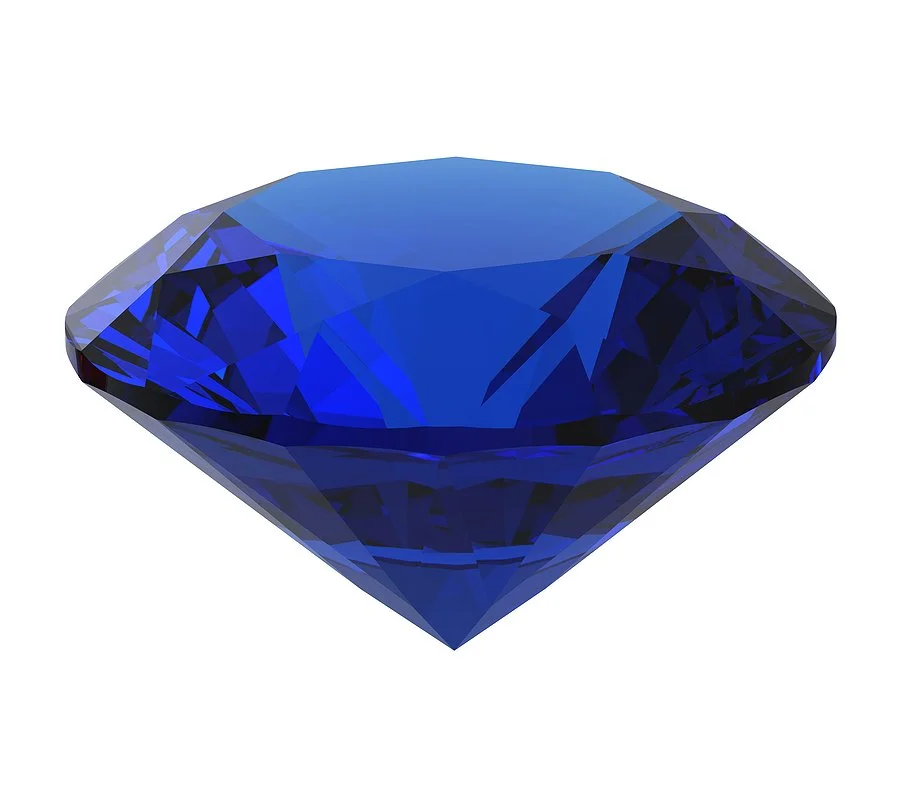
Why Are Sapphires a Popular Alternative to Diamonds?
A sapphire does not try to imitate a diamond. It offers a different kind of beauty. Instead of being chosen primarily for colorless brilliance, sapphire is valued for its rich body color, depth, character, and individuality. Blue remains the best-known sapphire color, but sapphires also occur in pink, yellow, green, lavender, orange, white, parti-colored, and color-changing varieties.
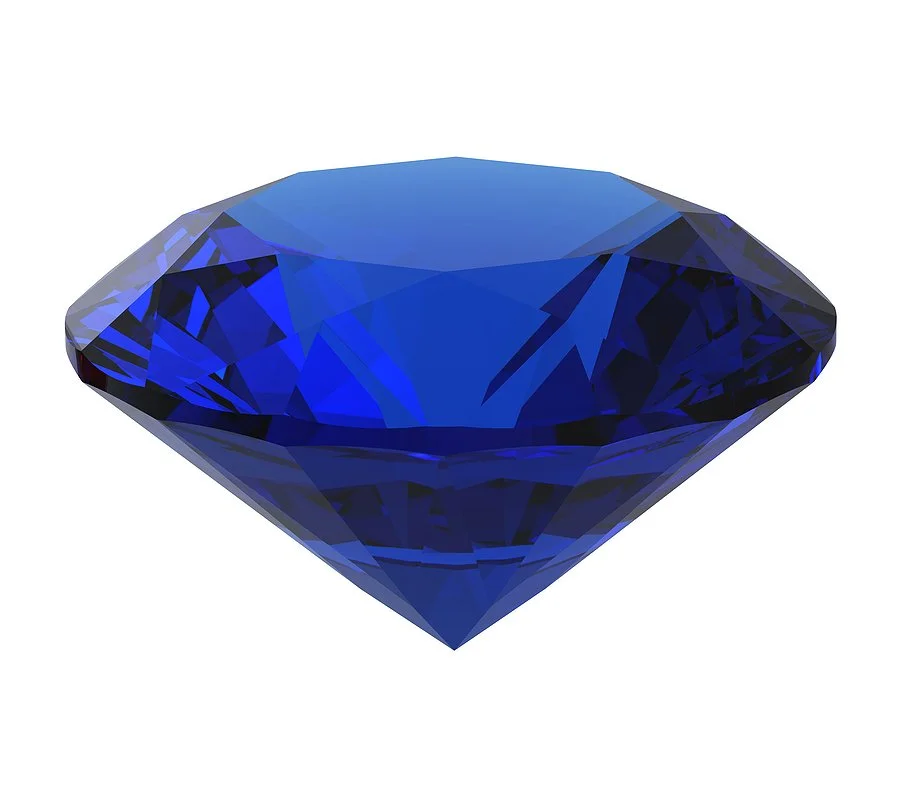
Sapphires are one of the most popular alternatives to diamonds because they combine exceptional color, strong durability, meaningful symbolism, and remarkable design flexibility. They are especially appealing to people who want an engagement ring or custom jewelry piece that feels personal, artistic, and different from a traditional colorless diamond.
A sapphire does not try to imitate a diamond. It offers a different kind of beauty. Instead of being chosen primarily for colorless brilliance, sapphire is valued for its rich body color, depth, character, and individuality. Blue remains the best-known sapphire color, but sapphires also occur in pink, yellow, green, lavender, orange, white, parti-colored, and color-changing varieties.
That range allows a buyer to choose a gemstone that reflects personal taste, a meaningful color, a birthstone, or the story behind an important life event.
At Luna Felix Goldsmith in Santa Fe, gemstones are viewed as the heart of the design rather than interchangeable components. Each stone has its own proportions, color, inclusions, and personality. A custom setting can be created around those qualities using 18K or 22K gold, carefully placed granulation, and traditional goldsmithing methods. The result is not simply a diamond substitute. It is a one-of-a-kind piece of wearable art created around the individual sapphire and the person who will wear it.
What Is a Sapphire?
Sapphire is a variety of mineral corundum. Corundum is composed primarily of aluminum oxide and forms in a crystalline structure that gives it considerable hardness and durability.
Red corundum is classified as ruby. Corundum in other qualifying colors is generally called sapphire.
Most people immediately picture a deep blue gemstone when they hear the word sapphire, but blue represents only part of the available color range. Sapphires may appear in:
Royal blue
Cornflower blue
Pale blue
Teal
Pink
Lavender
Purple
Yellow
Orange
Green
White
Parti-colored combinations
Some sapphires also change color under different lighting conditions. Others are cut as smooth cabochons rather than faceted stones, including star sapphires that display a visible star-like effect across the surface.
The trace elements present as the crystal forms influence the final color. Because natural sapphires develop under varied geological conditions, even stones of the same general color can look remarkably different from one another.
One blue sapphire may appear bright and lively, while another looks velvety, inky, violet-blue, or slightly greenish. This individuality is one reason sapphires work so well in custom jewelry.
Why Are Sapphires Considered One of the Best Diamond Alternatives?
Sapphires are considered one of the strongest diamond alternatives because they offer a rare balance of beauty, durability, meaning, and practicality.
Their most important advantages include:
Excellent resistance to scratching
A wide range of natural colors
Suitability for engagement rings and frequently worn jewelry
Strong symbolic associations
Compatibility with many metals and setting styles
Greater opportunities for one-of-a-kind design
Potential price flexibility across a broad quality range
The ability to combine beautifully with diamond accents
Sapphires also appeal to buyers who want a gemstone with visible character. A traditional colorless diamond often emphasizes brilliance and fire. Sapphire offers saturated color, contrast, and mood.
A pink sapphire may feel romantic and delicate. A teal sapphire may appear contemporary and unusual. A deep blue stone can feel formal and dramatic, while a pale blue sapphire may have a softer, more understated appearance.
Because sapphires are available in so many colors, shapes, and cutting styles, they allow far more personal expression than many buyers initially expected.
How Durable Are Sapphires?
Sapphire ranks 9 on the Mohs hardness scale, making it one of the hardest natural gemstones commonly used in fine jewelry. Diamond ranks 10.
This high hardness means sapphire resists scratching better than most colored gemstones. That is one reason it is often recommended for rings, including engagement rings intended for regular wear.
However, hardness should not be confused with indestructibility.
The Mohs scale measures resistance to scratching. It does not mean that a sapphire cannot chip, fracture, loosen in its setting, or become damaged by a strong impact. A hard blow against stone, metal, concrete, or another rigid surface can still harm the gemstone or setting.
Durability also depends on:
The stone’s internal inclusions
Its shape and cut
Whether corners or points are exposed
The type of setting
The quality of the craftsmanship
The wearer’s activities
The treatment history of the stone
A well-designed bezel or protective prong setting can help shield vulnerable edges. Regular inspections also help identify worn metal or loose settings before a stone is lost.
Are Sapphires Good for Engagement Rings?
Yes. Sapphires can be excellent engagement-ring stones when the individual gemstone is carefully selected and placed in an appropriate setting.
They offer the durability needed for frequent wear while giving couples more freedom to choose a color and design that feels meaningful. Sapphires also have long-standing associations with loyalty, sincerity, wisdom, faithfulness, and commitment, making them especially fitting for engagement and anniversary jewelry.
A sapphire may be used as:
A center stone
A side stone
A halo accent
Part of a three-stone ring
A smooth cabochon
A faceted focal gemstone
A companion to small diamonds
The centerpiece of a granulated gold setting
The best sapphire engagement ring is not simply the largest stone available. It is one whose color, cut, proportions, durability, and setting work together comfortably and beautifully.
At Luna Felix Goldsmith, custom rings can be designed around the actual gemstone instead of forcing the stone into a standardized mounting. That approach allows the shape, color, and personality of the sapphire to guide the finished design while high-karat gold and detailed granulation add warmth, texture, and individuality.
Sapphires Come in More Colors Than Blue
When many people think of sapphires, they immediately picture a deep royal blue gemstone. While blue sapphires have remained favorites for centuries, they represent only one part of an incredibly diverse gemstone family.
Natural sapphires occur in a remarkable range of colors, including:
Royal blue
Cornflower blue
Teal
Light blue
Pink
Lavender
Purple
Yellow
Green
Orange
White (colorless)
Parti-colored sapphires that display two or more colors in a single stone
Rare color-change sapphires that appear different under natural and artificial lighting
Each color creates its own personality. A vivid blue sapphire often conveys timeless elegance, while a soft pink sapphire may feel romantic and contemporary. Green sapphires can have an earthy sophistication, and yellow sapphires often radiate warmth and optimism.
At Luna Felix Goldsmith, gemstones are selected for their individual beauty rather than simply their size or color grade. No two natural sapphires are exactly alike. Slight differences in hue, tone, saturation, and internal character help make every handcrafted piece unique. That individuality is one reason colored gemstones continue to grow in popularity among clients looking for jewelry that reflects their own personality instead of following tradition.
Sapphire vs. Diamond: Appearance
Diamonds and sapphires are both extraordinary gemstones, but they create very different visual experiences.
Diamonds are admired primarily for their brilliance, fire, and sparkle. A well-cut diamond reflects and disperses light in a way that produces the bright flashes many people associate with traditional engagement rings.
Sapphires offer something different. Rather than emphasizing brilliance alone, they captivate through rich body color, depth, and visual character. A sapphire invites the eye to appreciate subtle color variations and the way light moves through the stone instead of simply bouncing back from it.
Neither appearance is inherently better—they simply appeal to different tastes.
Many clients who visit Luna Felix Goldsmith are searching for jewelry that tells a personal story rather than resembling every other engagement ring. A sapphire often provides that opportunity. Whether the chosen gemstone is a deep blue, a soft lavender, or a vivid green, its color becomes part of the design and often reflects the wearer's individuality.
Sapphires also pair beautifully with accent diamonds. Rather than viewing the two gemstones as competitors, many custom designs combine them to create contrast and balance. Small diamonds can frame a colorful sapphire, drawing attention to the center stone while adding additional sparkle without overwhelming the design.
Sapphire vs. Diamond: Durability
Durability is one of the strongest reasons sapphires have become a favorite alternative to diamonds.
Diamond remains the hardest natural material, ranking 10 on the Mohs hardness scale. Sapphire follows closely with a hardness of 9, making it one of the hardest gemstones commonly used in fine jewelry.
For everyday wear, that distinction is important because sapphire resists scratching far better than many other colored gemstones.
However, hardness tells only part of the story.
A gemstone's long-term durability also depends on:
Its overall quality
Internal inclusions
The shape of the cut
The style of the setting
The activities of the person wearing it
Even a diamond can chip if struck with enough force, and the same is true for sapphire. Neither gemstone should be considered indestructible.
A thoughtfully designed setting plays an important role in protecting any center stone. Properly positioned prongs or a carefully crafted bezel help reduce the chance of accidental damage while allowing the gemstone to remain the focal point of the design.
For clients who intend to wear their engagement ring every day, sapphire offers an excellent balance between beauty and practicality.
Sapphire vs. Diamond: Price and Value
One reason many buyers explore sapphires is the possibility of finding an extraordinary gemstone that better fits their personal budget.
While many natural sapphires cost less than natural diamonds of similar size, there is no universal pricing rule.
Several factors influence sapphire value, including:
Color
Saturation
Tone
Cut
Clarity
Carat weight
Overall beauty
Natural versus laboratory-grown origin
Treatment history
Geographic origin, when documented
Rarity
Some exceptional natural sapphires—particularly those with vivid color, minimal treatment, and outstanding quality—can be considerably more valuable than many diamonds.
For that reason, experienced jewelers evaluate each gemstone individually rather than relying on generalized pricing assumptions.
At Luna Felix Goldsmith, the conversation begins with selecting the right stone for the client rather than finding the largest gemstone within a predetermined budget. Sometimes that gemstone is a sapphire. Sometimes it is another colored gemstone or a diamond. The goal is always to create a piece whose beauty and craftsmanship will be appreciated for generations.
The Symbolism Behind Sapphires
Beyond their physical beauty, sapphires have been treasured for centuries because of the qualities they traditionally represent.
Throughout history, sapphires have been associated with:
Loyalty
Faithfulness
Wisdom
Truth
Honesty
Sincerity
Protection
Nobility
Lasting commitment
These meanings make sapphire especially appropriate for engagement rings, wedding jewelry, anniversary gifts, and family heirlooms.
Many couples today choose sapphires because they want a ring that reflects not only beauty but also the values they hope to share throughout their marriage. Others select sapphire because it is a September birthstone or because a particular color carries personal significance.
Unlike trends that change from decade to decade, meaningful symbolism gives a gemstone lasting emotional value.
Why Sapphires Work So Well in Custom Jewelry
Few gemstones offer the design possibilities that sapphires do.
Because natural sapphires vary so dramatically in color, shape, size, and internal character, each stone encourages its own creative solution.
Instead of choosing a standard mounting and inserting a gemstone into it, Luna Felix Goldsmith begins with the sapphire itself. The design evolves around the stone's individual proportions, color, and personality.
A custom sapphire may become:
A distinctive engagement ring
A pendant celebrating a milestone
Matching earrings
A commemorative anniversary gift
A family heirloom
A one-of-a-kind necklace
A statement cocktail ring
This approach ensures that every finished piece feels intentional rather than mass-produced. The gemstone becomes the inspiration for the entire design instead of simply filling an empty setting.
How Gold Color Changes a Sapphire's Appearance
The metal surrounding a sapphire has a remarkable influence on how the gemstone is perceived.
Yellow gold creates warmth and dramatic contrast, especially with blue, green, and lavender sapphires. Rich 22K and 18K gold can make cooler gemstone colors appear even more vibrant.
White gold produces a brighter, cooler presentation that emphasizes crisp blue tones and contemporary styling.
Rose gold complements many pink, peach, lavender, and softer blue sapphires, adding warmth without overpowering the gemstone.
Because each sapphire responds differently to surrounding metal, viewing loose stones beside different gold colors often reveals combinations a client may never have considered.
One of the advantages of custom jewelry is the ability to make those decisions before the piece is created.
Why Gold Granulation Complements Sapphire
One of the defining characteristics of Luna Felix Goldsmith's work is the centuries-old art of gold granulation.
Granulation involves placing and permanently fusing hundreds—sometimes thousands—of tiny gold spheres onto the surface of a handcrafted piece to create texture, depth, and intricate decorative patterns. Rather than competing with the gemstone, these delicate details frame and enhance it.
Around a sapphire, granulation creates a striking visual relationship. The smooth surface of the gemstone contrasts beautifully with the richly textured gold surrounding it. High-karat gold adds warmth, while the sapphire introduces depth of color, allowing each element to enhance the other.
The result is jewelry that feels both ancient and contemporary.
Instead of relying on mass-produced settings or repetitive commercial designs, Luna Felix Goldsmith combines traditional goldsmithing techniques with carefully selected gemstones to create pieces that are unmistakably individual. A sapphire surrounded by handcrafted gold granulation becomes more than a beautiful gemstone—it becomes the centerpiece of wearable art that reflects centuries of craftsmanship while celebrating the unique story of the person who wears it.
What Should You Look for When Choosing a Sapphire?
Choosing a sapphire is different from choosing a traditional colorless diamond. There is no single grading formula that tells every buyer which sapphire is “best.” The right stone depends on its color, cut, clarity, size, treatment, personality, and how it will be worn.
Important factors include:
Hue
Tone
Saturation
Color consistency
Cut quality
Clarity
Carat weight
Face-up dimensions
Transparency
Treatment history
Natural or laboratory-grown origin
Overall visual appeal
Suitability for the intended setting
When comparing stones, look at the sapphire as a complete object. A smaller stone with lively color and a beautiful cut may be more appealing than a larger sapphire that looks overly dark or poorly proportioned.
It is also helpful to view the gemstone from several angles and under different lighting. Jewelry-store lighting, daylight, and typical indoor light can make the same sapphire appear noticeably different.
At Luna Felix Goldsmith, gemstone selection is part of the custom design process. The goal is not simply to choose a sapphire by measurements or a laboratory description. It is to select a stone whose color, proportions, and character can inspire the finished piece.
How Important Is Sapphire Color?
Color is often the most influential quality factor in a sapphire.
A sapphire’s appearance is usually described through three basic elements:
Hue: The dominant color, such as blue, pink, green, or yellow
Tone: How light or dark the stone appears
Saturation: The strength or intensity of the color
Personal preference matters. Some people are drawn to deep royal blue stones, while others prefer soft cornflower blue, teal, lavender, pink, or green.
A darker sapphire is not automatically better. If the tone is too dark, the stone may appear almost black in ordinary lighting. A very pale sapphire may look delicate and beautiful, but it may not provide the dramatic color another buyer wants.
Color zoning should also be considered. Some sapphires show uneven bands or areas of color. In certain stones, these natural variations add character. In others, they may distract from the overall appearance.
The surrounding metal can also change how the color is perceived. Yellow gold can add warmth and contrast, while white metals often create a cooler presentation.
Do Inclusions Matter?
Most natural sapphires contain some inclusions. These are internal features that formed as the gemstone developed in the earth.
Inclusions may appear as:
Fine needles
Mineral crystals
Small feathers
Color bands
Growth lines
Tiny cavities
Cloud-like areas
The presence of inclusions does not automatically make a sapphire undesirable. In fact, certain internal features can help trained gemologists determine that a stone is natural.
What matters is how the inclusions affect appearance and durability.
An inclusion that is difficult to see without magnification may have little effect on the beauty of the stone. A large fracture reaching the surface, however, may weaken the sapphire or make it more vulnerable to damage.
For most jewelry buyers, an attractive eye-clean appearance is often more important than microscopic perfection. The stone should look beautiful in normal viewing conditions and be structurally appropriate for the intended setting.
Star sapphires are a special exception. Their star-like effect, known as asterism, is created by oriented needle-like inclusions. In this case, the inclusions are essential to the gemstone’s visual appeal.
Are Sapphires Treated?
Yes. Many natural sapphires available in the jewelry market have been treated.
Traditional heat treatment is common and may be used to improve a sapphire’s color or clarity. Heating does not make a sapphire artificial. The stone is still natural, but the treatment should be disclosed.
Other treatments may be more extensive and can have a greater effect on value, care requirements, and long-term stability. Buyers should ask:
Is the sapphire natural?
Has it been heated?
Has any other treatment been detected?
Is a laboratory report available?
Does the treatment affect cleaning or repair recommendations?
Fine untreated sapphires may command significant premiums, particularly when they have exceptional color and recognized laboratory documentation. However, an untreated stone is not automatically more beautiful than a heated one.
The important issues are appearance, durability, disclosure, and whether the price fairly reflects the gemstone’s qualities.
Are Lab-Grown Sapphires an Option?
Laboratory-grown sapphires are available and may be appropriate for some buyers.
A lab-grown sapphire has essentially the same basic chemical composition and crystal structure as a natural sapphire. The difference is that it is created in a controlled environment instead of forming naturally in the earth.
Lab-grown sapphires may offer:
Consistent color
Fewer visible inclusions
Larger sizes at lower prices
A broad range of available colors
They should always be clearly disclosed as laboratory-grown.
Natural and lab-grown sapphires can both be beautiful, but they should not be presented as identical in rarity, origin, or market value. Some buyers prefer the geological history and individuality of a natural stone. Others prioritize color, size, or a particular budget.
Popular Sapphire Shapes
Sapphires are available in many shapes and cutting styles, including:
Oval
Cushion
Round
Emerald cut
Pear
Marquise
Asscher-style
Cabochon
Freeform
Carved forms
Beads
Star-sapphire cabochons
Oval and cushion cuts are especially popular because they can display color well and work beautifully in both traditional and contemporary rings.
Cabochons have a smooth, rounded surface rather than facets. They can create a softer, more sculptural look and work especially well with richly textured gold.
The best shape depends on the stone itself. A cutter may choose proportions that preserve color, reduce visible inclusions, or make the best use of the original crystal.
In custom jewelry, the setting can be developed around an unusual or asymmetrical sapphire instead of requiring the stone to fit a standard commercial mounting.
Caring for Sapphire Jewelry
Sapphire is durable, but proper care is still important.
Good habits include:
Remove rings before heavy manual work.
Avoid striking the stone against hard surfaces.
Keep sapphire jewelry away from harsh chemicals.
Store pieces separately from softer gemstones.
Inspect prongs and bezels regularly.
Have frequently worn rings professionally checked.
Clean gently with mild soap, lukewarm water, and a soft brush when appropriate.
Before using steam or ultrasonic cleaning, confirm the sapphire’s treatment history and consider any other gemstones in the piece. A cleaning method that is safe for one untreated sapphire may not be appropriate for every treated or multi-stone design.
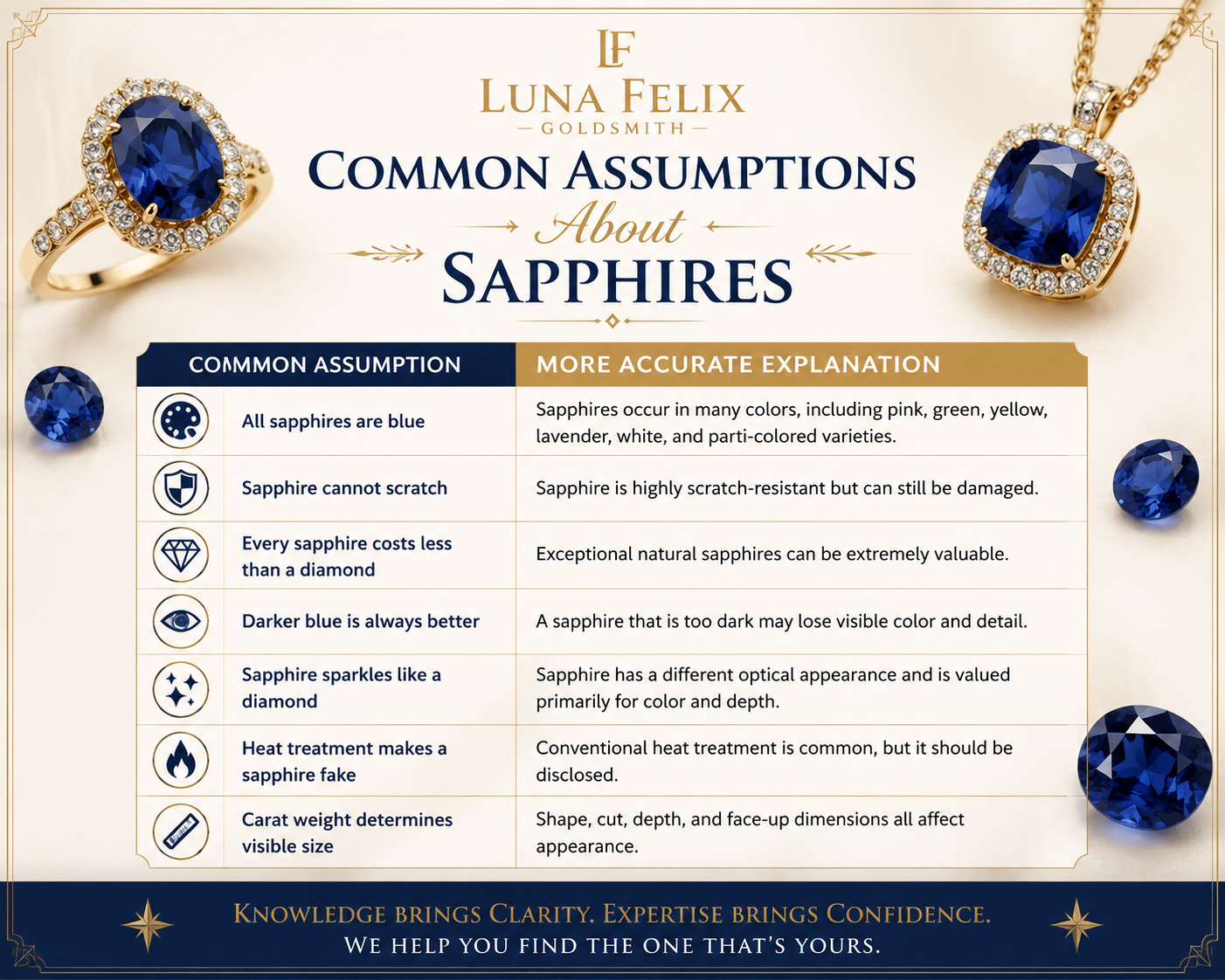
Frequently Asked Questions
Are sapphires durable enough for everyday wear?
Yes. Sapphire’s hardness of 9 makes it one of the more durable colored gemstones, although it should still be protected from strong impacts.
Are all sapphires natural?
No. Natural, treated natural, and laboratory-grown sapphires are all available. The seller should clearly disclose what is known about the stone.
Is an untreated sapphire always better?
Not necessarily. Untreated sapphires may be rarer, but beauty, color, cut, durability, and price should all be considered.
What is the best sapphire color?
There is no universal best color. The right choice depends on personal taste, lighting, metal color, and the overall design.
Can sapphires be more valuable than diamonds?
Yes. Exceptional sapphires with rare color, large size, limited treatment, or desirable documentation can be extremely valuable.
What is a parti sapphire?
A parti sapphire displays two or more colors within a single gemstone, often creating a distinctive and highly individual appearance.
Can sapphire be combined with diamonds?
Yes. Diamond accents can add brightness and contrast while allowing the sapphire to remain the main focus.
What metal looks best with sapphire?
Yellow gold, white gold, rose gold, platinum, and mixed metals can all work beautifully. The best choice depends on the sapphire’s color and the desired visual effect.
Can Luna Felix Goldsmith create a custom sapphire ring?
Yes. A custom design can be developed around the sapphire’s actual shape, color, proportions, and character, including settings that incorporate high-karat gold and traditional granulation.
When to Work with a Custom Jeweler
A sapphire’s individuality is one of its greatest strengths, but it can also make the selection process more complicated. Two stones with the same general color and carat weight may look completely different because of their cut, tone, transparency, proportions, inclusions, and treatment history.
Working with a custom jeweler is especially valuable when:
Comparing several individual sapphires
Selecting a center stone for an engagement ring
Evaluating color under different lighting
Reviewing treatment disclosures
Deciding whether a laboratory report is appropriate
Choosing between natural and laboratory-grown sapphire
Matching a sapphire with the right gold color
Selecting a setting for frequent wear
Designing around an unusual shape
Combining sapphire with diamonds or other gemstones
Incorporating an heirloom gemstone
Creating a detailed gold granulation design
A custom jeweler can also help you consider practical questions that are easy to overlook. Will the ring be worn every day? Does the wearer work with their hands? Are the sapphire’s corners exposed? Would a bezel provide better protection than prongs? Does the stone appear too dark once surrounded by metal?
These decisions are connected. The gemstone, setting, metal, proportions, and decorative details should be considered together rather than selected as unrelated components.
Luna Felix Goldsmith’s custom process generally begins with a personal consultation, followed by gemstone and metal selection, design development, fabrication, stone setting, finishing, and a final inspection. Each piece is developed around the person who will wear it and the character of the selected gemstone.
Discover Custom Sapphire Jewelry in Santa Fe
Santa Fe has long attracted people who value original art, traditional techniques, and objects made by hand. That appreciation for individual craftsmanship is central to Luna Felix Goldsmith.
Located near the historic Santa Fe Plaza, Luna Felix Goldsmith creates custom rings, earrings, pendants, necklaces, bracelets, wedding jewelry, anniversary pieces, and one-of-a-kind collector jewelry. Each design combines carefully selected gemstones with traditional ancient technique of gold granulation.
For sapphire jewelry, that approach offers unusual creative freedom. A rich blue sapphire can be surrounded by warm 22K gold granulation. A lavender stone may be paired with rose gold. A parti-colored sapphire can inspire an asymmetrical design that follows the gemstone’s natural color pattern. Small diamonds may be added for contrast, or the sapphire can stand alone as the focus.
Clients are invited into the process rather than being limited to a standard catalog mounting. The result is a piece created for a particular gemstone, occasion, and personal story.
To discuss a custom sapphire engagement ring or another handcrafted jewelry design, contact:
Luna Felix Goldsmith
116 W. San Francisco Street, Suite 208
Santa Fe, New Mexico 87501
Phone: 505-989-7679
Appointments are recommended.

Why Are Some Rubies Worth More Than Some Diamonds?
High-quality rubies can be more valuable than some diamonds because exceptional natural rubies are extraordinarily rare. The finest examples combine vivid red color, strong saturation, attractive transparency, substantial size, skilled cutting, limited or no treatment, and respected laboratory documentation.
High-quality rubies can be more valuable than some diamonds because exceptional natural rubies are extraordinarily rare. The finest examples combine vivid red color, strong saturation, attractive transparency, substantial size, skilled cutting, limited or no treatment, and respected laboratory documentation.
That does not mean every ruby is worth more than every diamond. Both gemstones exist across broad ranges of quality, rarity, and price. A heavily included or glass-filled ruby may be worth far less than a fine natural diamond. At the same time, an exceptional untreated natural ruby may command more than a smaller, lower-grade, poorly cut, treated, or laboratory-grown diamond.
The meaningful comparison is therefore not simply ruby versus diamond. It is a comparison between two individual gemstones, each with its own color, clarity, cut, carat weight, origin, treatment history, documentation, rarity, and overall visual character.
At Luna Felix Goldsmith in historic downtown Santa Fe, gemstone selection begins by looking at the complete stone. Its name is only the starting point. Its beauty, structure, proportions, treatment, intended use, and relationship with the finished jewelry must all be considered before it becomes part of a handcrafted ring, pendant, necklace, pair of earrings, or heirloom-quality design.
What Is a Ruby?
Ruby is the red variety of corundum, the same mineral family that includes sapphire. Trace amounts of chromium produce ruby’s red color and can also contribute to the stone’s fluorescence.
Gem-quality corundum in colors other than red is generally classified as sapphire. The boundary between pink sapphire and ruby is not always described identically in every market, making accurate identification and transparent representation especially important.
A red gemstone sold as ruby may fall into several different categories:
Natural ruby
Conventionally heated natural ruby
Diffusion-treated ruby
Fracture-filled or lead-glass-filled ruby material
Laboratory-grown ruby
Another red gemstone or simulant incorrectly represented as ruby
These categories may look similar in a photograph, yet they can differ dramatically in rarity, durability, care requirements, and value.
Why Can a Ruby Be More Valuable Than a Diamond?
A fine natural ruby can be worth more than some diamonds because the combination of strong red color, transparency, useful size, attractive cutting, and little or no treatment is extremely difficult to find.
Diamonds also exist across an enormous quality spectrum. The word “diamond” can describe everything from a small commercial stone with visible inclusions and weak cutting to an exceptional natural diamond with extraordinary color, clarity, proportions, and size.
A ruby may exceed a particular diamond in value when the ruby possesses a level of beauty and natural rarity that the diamond does not.
Factors that can elevate a ruby’s value include:
Vivid, attractive red color
Strong saturation
A tone that is neither too pale nor too dark
Good transparency
Limited distracting inclusions
A substantial carat weight
Attractive symmetry and polish
No evidence of heating or only conventional heat treatment
Reliable laboratory documentation
A desirable geographic origin supported by laboratory analysis
Strong collector demand
Exceptional overall beauty
The correct comparison is not between two gemstone categories in the abstract. It is between the complete characteristics of the individual stones.
Rubies and Diamonds Use Different Value Systems
Diamonds are commonly evaluated through the 4Cs:
Color
Clarity
Cut
Carat weight
Rubies can also be discussed through color, clarity, cut, and weight, but those factors do not carry exactly the same importance.
For ruby, color is usually the dominant consideration. A fine ruby should display an appealing red with strong saturation and enough brightness to remain lively under ordinary lighting.
Clarity is also assessed differently. Diamond clarity follows a standardized grading scale. Natural rubies are expected to contain inclusions, so their clarity is evaluated more contextually. The question is not simply whether inclusions exist, but how they affect transparency, beauty, brightness, and durability.
Cut matters for both gemstones. However, a ruby cutter often must balance color, weight retention, symmetry, inclusion placement, transparency, and face-up appearance. Diamond cutting, especially in the round brilliant shape, places more emphasis on standardized proportions and light return.
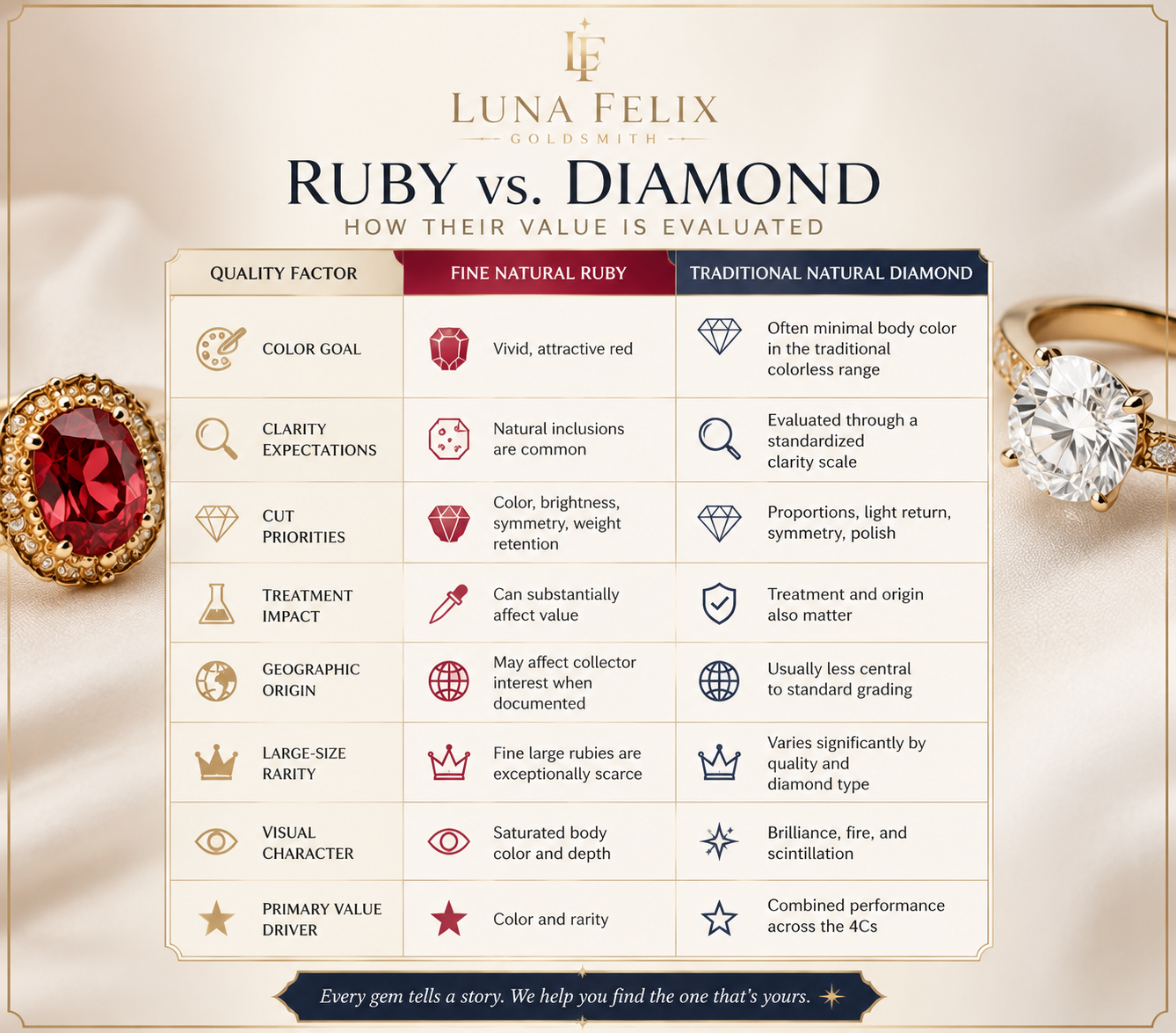
Why Does Ruby Color Matter So Much?
Color is often the first quality a buyer notices and the strongest influence on ruby value.
Gemstone professionals consider several related characteristics.
Hue
Hue is the dominant color and any modifying color visible in the stone.
A ruby may appear:
Pure red
Slightly purplish red
Orangish red
Pinkish red
Brownish red
Vivid red to slightly purplish red is often highly desirable, although the beauty of the individual gemstone should always guide the final decision.
Tone
Tone describes how light or dark the ruby appears.
A stone that is too light may lack the depth many buyers associate with ruby. A stone that is too dark can lose visible color and brightness, sometimes appearing nearly black in ordinary indoor lighting.
Saturation
Saturation describes the strength or intensity of the red.
A strongly saturated ruby can look vivid and lively. Lower saturation may cause the stone to appear grayish, brownish, or washed out.
Color Evenness
Color may appear evenly distributed or concentrated in bands and zones.
Some natural zoning adds individuality. Strong unevenness, however, may make the face-up appearance less harmonious.
Lighting also changes how ruby looks. Daylight, warm indoor light, jewelry-display lighting, and shadow may reveal different aspects of the same gemstone. Important rubies should therefore be viewed under more than one lighting condition.
What Does “Pigeon Blood Ruby” Mean?
“Pigeon blood” is a trade term associated with certain intensely colored red rubies.
It is not a universal grade applied identically by every gemological laboratory, seller, or market. Different organizations may use different criteria involving hue, saturation, tone, fluorescence, treatment, and origin.
The phrase should never replace a complete examination of:
Actual color
Transparency
Cut
Inclusions
Treatment status
Carat weight
Laboratory findings
Geographic-origin opinion
Overall beauty
A dramatic color name by itself does not establish rarity or value.
How Does Clarity Affect Ruby Value?
Natural rubies usually contain inclusions. A completely inclusion-free natural ruby is highly unusual.
Common internal features may include:
Fine needles or silk
Mineral crystals
Feathers
Fractures
Fingerprint-like patterns
Clouds
Color zoning
Surface-reaching cavities
Some inclusions help trained gemologists confirm that a ruby is natural. Others may provide evidence of heating or another treatment.
The important question is how the inclusions affect:
Transparency
Brightness
Color
Face-up appearance
Structural durability
Treatment identification
A small internal feature that is difficult to see without magnification may have little effect on beauty. A large fracture that reaches the surface can reduce durability and may require a more protective setting.
Ruby clarity should not be judged according to diamond standards. Microscopic perfection is not the expectation for a fine natural colored gemstone.
Why Are Large Fine Rubies So Rare?
As ruby size increases, high quality becomes increasingly difficult to find.
Larger natural crystals are more likely to contain:
Uneven color
Significant inclusions
Fractures
Opaque areas
Unfavorable crystal shapes
Material that must be removed during cutting
A large finished ruby must survive cutting while retaining good color, transparency, useful proportions, and acceptable durability.
Because this combination is so uncommon, value does not necessarily increase in a simple straight line with carat weight. A ruby that weighs twice as much may be worth far more than twice as much when the larger stone maintains comparable quality.
This is also why universal per-carat price claims are unreliable. Treatment, transparency, color, origin, laboratory findings, market context, and individual beauty may create enormous differences between rubies of similar weight.
Does Cut Affect Ruby Value?
Yes. Although color usually leads the evaluation, cutting can strongly influence how that color is displayed.
A ruby cutter must balance:
Color
Brightness
Symmetry
Face-up size
Transparency
Weight retention
Inclusion placement
Durability
Common ruby shapes include:
Oval
Cushion
Round
Pear
Emerald cut
Mixed cut
Cabochon
Antique cut
Freeform shape
A deeply cut ruby may retain more weight but appear smaller from the top. A shallow stone may display a pale or transparent “window” in the center. Strong extinction can cause parts of the ruby to appear dark.
An unusual cut is not necessarily a disadvantage. Custom jewelry allows a setting to be developed around the stone’s actual proportions instead of requiring the ruby to fit a standardized commercial mounting.
How Does Treatment Affect Ruby Value?
Treatment is one of the most important factors to understand when comparing rubies.
No Evidence of Heat
A respected laboratory report stating that no evidence of heat was detected may add rarity and value.
This does not mean every unheated ruby is beautiful. Color, transparency, cut, size, inclusions, and overall appearance still matter. However, a fine ruby that formed naturally with desirable qualities and required no heating may command a premium.
Conventional Heat Treatment
Heating is common in the ruby market and may improve color or clarity.
A heated natural ruby remains a natural ruby. Heating does not make it artificial, but the treatment should be disclosed.
All other qualities being similar, an unheated ruby may be more valuable because confirmed unheated material is less common.
Diffusion Treatment
Diffusion introduces coloring elements into or near the surface of the stone through heat.
This treatment may create significant color improvement, but it has different implications from conventional heating. Recutting or repolishing the gemstone may alter the appearance when color is concentrated near the surface.
A diffusion-treated ruby should not be represented as equivalent in rarity to an untreated or conventionally heated ruby.
Fracture Filling and Lead-Glass Filling
Fracture filling improves the apparent transparency of heavily fractured ruby material by filling openings with glass or another substance.
The finished material may look much clearer than it did originally, but it has different durability and care requirements.
Glass-filled ruby can be more vulnerable during:
Cleaning
Resizing
Soldering
Polishing
Stone resetting
Jewelry repair
Heat, chemicals, and certain cleaning solutions may affect the filling. A jeweler must know what treatment is present before performing work on the piece.
Dyeing and Coating
Some ruby material may be dyed or coated to intensify its visible color.
These treatments may be less permanent and can create special care requirements. They should always be disclosed clearly.
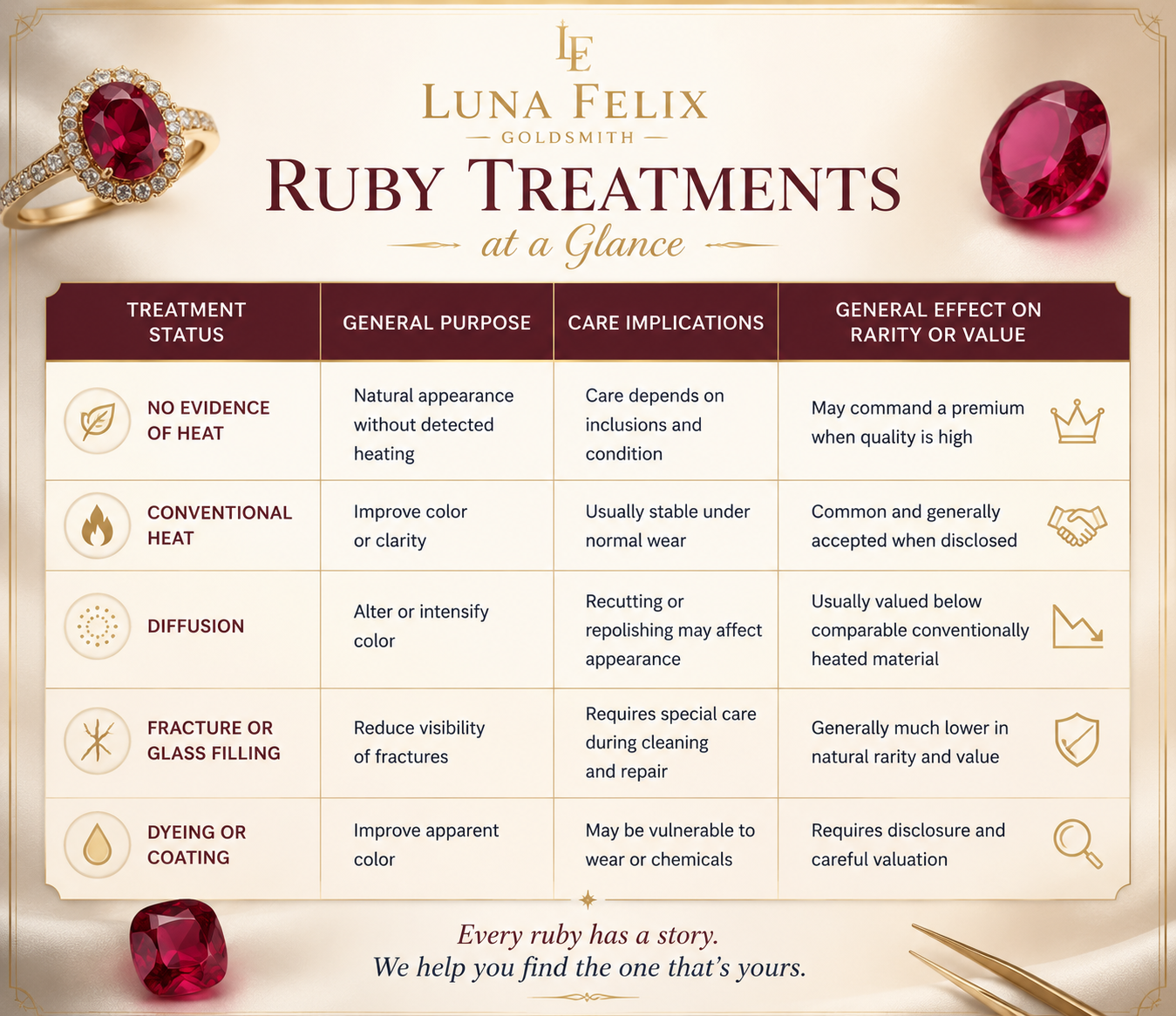
Does Geographic Origin Affect Ruby Value?
Geographic origin may influence collector demand, particularly when an important ruby has a respected independent laboratory report.
Ruby-producing regions include:
Myanmar
Mozambique
Sri Lanka
Thailand
Vietnam
Madagascar
Tanzania
Other locations
Certain regions carry strong historical associations. However, every mining source produces a range of quality.
A famous origin does not automatically make a ruby:
Vividly colored
Transparent
Unheated
Well cut
Durable
Valuable
Likewise, an exceptional ruby from a less celebrated source may be more beautiful than a lower-quality stone from a famous location.
Origin should never be guessed from a photograph or visual impression. Laboratories examine microscopic features, trace elements, spectroscopy, and reference samples when forming geographic-origin opinions.
Natural Ruby Versus Laboratory-Grown Ruby
Laboratory-grown ruby has essentially the same basic chemical composition and crystal structure as natural ruby, but it is created in a controlled environment.
It should be clearly disclosed as laboratory-grown, laboratory-created, or synthetic.
Laboratory-grown ruby may offer:
Strong color
High clarity
Larger sizes
Predictable availability
A different price range
Natural ruby carries geological rarity that laboratory-grown material does not. The two should not be presented as though origin has no influence on market value.
Either can be visually attractive when represented accurately and chosen knowingly.
Why Do Some Diamonds Cost Less Than Fine Rubies?
The word “diamond” includes an enormous range of gemstones.
A particular diamond may cost less than a fine natural ruby because it has:
A small carat weight
Lower color
Lower clarity
Visible inclusions
Weak cutting
Poor proportions
Damage
Treatment
Limited documentation
Laboratory-grown origin
Greater commercial availability
Lower market demand
A laboratory-grown diamond is a genuine diamond, but its controlled origin and availability differ from those of a natural diamond. This distinction should be explained factually rather than used to dismiss its beauty or suitability.
An exceptional natural diamond can still be worth more than most rubies. The lesson is that quality and rarity must be compared stone by stone.
Are Rubies Durable Enough for Everyday Jewelry?
Ruby ranks 9 on the Mohs hardness scale, making it highly resistant to scratching. Corundum also has excellent toughness and no cleavage, so untreated and conventionally heated rubies are often suitable for frequently worn rings and other jewelry.
However, no gemstone is indestructible.
Durability also depends on:
Inclusions
Fractures
Treatment
Cut
Exposed corners
Setting design
Wearer activity
Maintenance
Glass-filled or heavily fractured rubies may require more cautious handling than untreated or conventionally heated stones.
Frequently worn ruby rings should be inspected periodically for worn prongs, loose settings, impact damage, metal fatigue, and changes in filled fractures.
Why Do Rubies Work So Well in Custom Jewelry?
A ruby rarely behaves like a standardized component. Its exact color, outline, depth, transparency, dimensions, and inclusions influence what the finished piece should become.
A custom design can respond to:
The ruby’s outline and depth
Its strongest face-up color
Vulnerable edges
Inclusion placement
Intended frequency of wear
Complementary accent stones
Metal color
Personal symbolism
The wearer’s style
A ruby may become the centerpiece of:
An engagement ring
An anniversary ring
A pendant
Earrings
A necklace
An heirloom redesign
A collector piece
A commemorative gift
Luna Felix Goldsmith’s custom process may include an initial consultation, gemstone and metal selection, design development, hand fabrication, stone setting, finishing, final inspection, and long-term care guidance. This allows the jewelry to be created around the gemstone rather than forcing it into a predetermined setting.
How Does Gold Color Affect Ruby?
The metal surrounding a ruby changes the way its red color is perceived.
Yellow Gold
Yellow gold adds warmth and can create a rich contrast with red. High-karat yellow gold may emphasize a ruby’s depth and give the design a sculptural, historic character.
Rose Gold
Rose gold creates a closely related warm palette. It may produce a softer, tonal relationship with pinkish-red or purplish-red rubies.
White Gold or Platinum
White metals create cooler contrast and may make the ruby’s red appear more prominent.
High-Karat Gold
Luna Felix Goldsmith works with 18K and 22K gold as well as other precious metals. Their rich color can form a distinctive frame for ruby, particularly when combined with hand-fabricated surfaces and traditional granulation.
Why Does Gold Granulation Complement Ruby?
Gold granulation is an ancient technique in which tiny spheres of gold are fused onto a jewelry surface to create intricate patterns and texture.
Around a ruby, granulation can:
Follow the gemstone’s outline
Form a luminous border
Contrast texture with the polished stone
Add visual depth
Emphasize the warmth of high-karat gold
Connect ancient craftsmanship with contemporary design
The granules are applied to the gold structure, not to the gemstone.
The result can feel both historic and deeply personal: saturated red ruby at the center, surrounded by carefully arranged gold that reflects hours of patient handwork.
What Should You Ask Before Purchasing a Ruby?
Before selecting an important ruby, ask:
Is the ruby natural or laboratory-grown?
Has it been heated?
Has diffusion been detected?
Is it fracture filled or glass filled?
Is there a respected independent laboratory report?
Does the report describe detectable treatments?
Does it provide a geographic-origin opinion?
How does the ruby look in daylight and indoor lighting?
Do any inclusions create durability concerns?
Is the cut attractive when viewed from the top?
Is the setting appropriate for the gemstone?
Which cleaning and repair methods are safe?
What documentation will accompany the purchase?
Clear answers to these questions provide more useful information than an unsupported claim about rarity or a dramatic commercial color name.
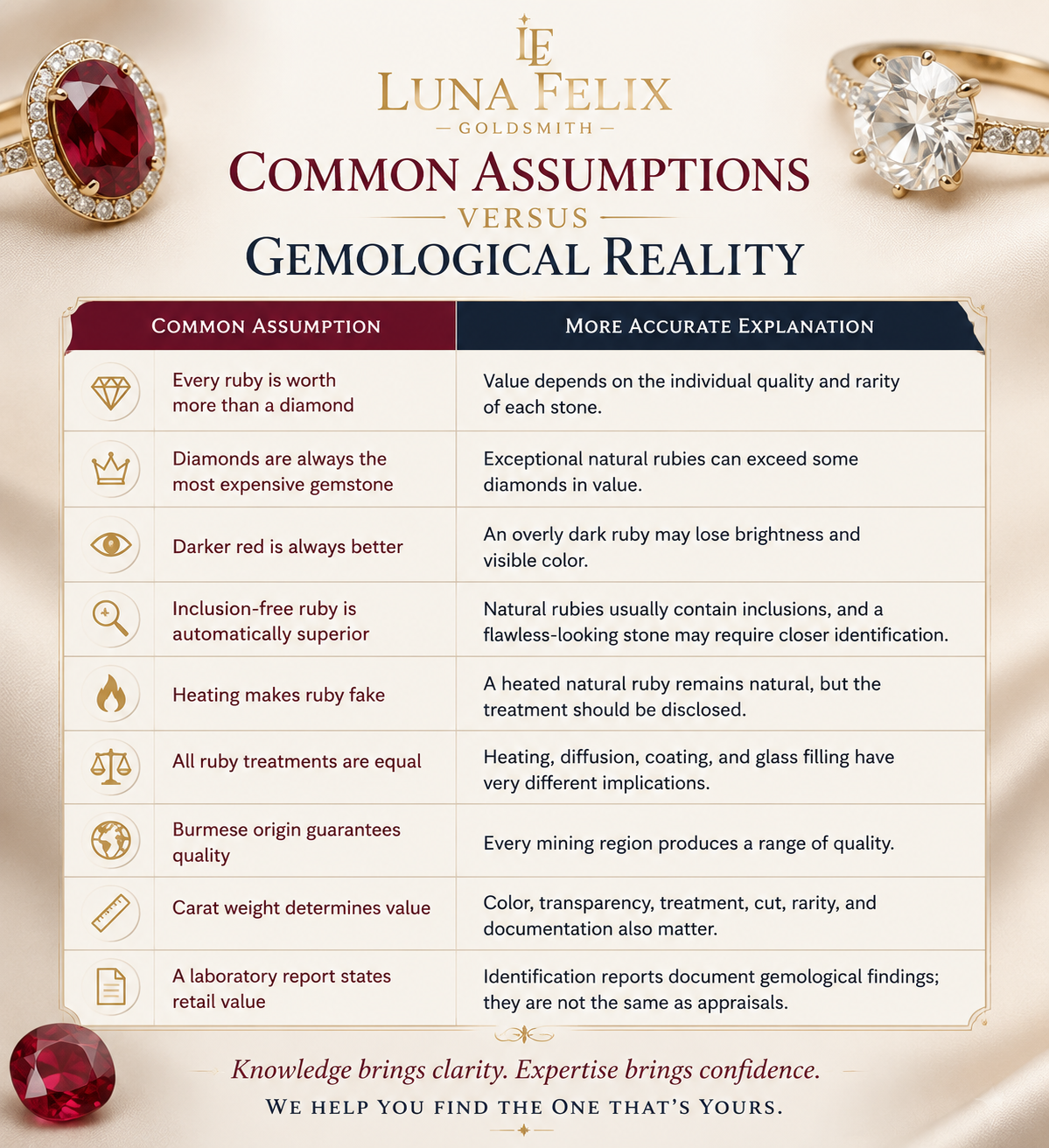
Frequently Asked Questions
Why can a ruby be more valuable than a diamond?
A fine natural ruby may combine greater rarity, exceptional red color, transparency, substantial size, limited treatment, and strong collector interest. A lower-quality, smaller, treated, or laboratory-grown diamond may therefore cost less.
Are rubies rarer than diamonds?
Fine-quality natural rubies of significant size are extremely rare. Broad comparisons can still be misleading because both rubies and diamonds exist across many quality levels.
Is every ruby worth more than a diamond?
No. Commercial, highly included, glass-filled, or laboratory-grown rubies may be worth far less than fine natural diamonds.
What makes a ruby high quality?
The most important factors include appealing red color, strong saturation, appropriate tone, transparency, good cutting, useful size, limited treatment, durability, and reliable documentation.
What does “pigeon blood ruby” mean?
It is a trade term for certain intensely colored red rubies. Definitions vary, so it should be considered alongside the actual stone and laboratory report.
Are inclusion-free natural rubies common?
No. Natural rubies usually contain inclusions. A flawless-looking stone may require closer gemological examination.
Does heating reduce ruby value?
A heated ruby may be valued below a comparable unheated ruby because confirmed unheated material is rarer. Conventional heating is common and accepted when disclosed.
Is an unheated ruby always better?
No. An unheated ruby may be rarer, but color, transparency, size, cut, inclusions, durability, and beauty remain essential.
What is a glass-filled ruby?
It is heavily fractured ruby material whose fractures have been filled with glass to improve apparent transparency. It has different care, durability, and value considerations from untreated or conventionally heated ruby.
Does ruby origin affect value?
It can, especially when a fine stone has respected laboratory documentation. Geographic origin alone does not guarantee high quality.
Should a valuable ruby have a laboratory report?
For an important purchase, a report from a respected independent laboratory can help establish whether the ruby is natural or laboratory-grown, identify detectable treatments, and sometimes provide a geographic-origin opinion.
Are rubies suitable for engagement rings?
Yes. Structurally sound, untreated or conventionally heated rubies can be excellent engagement-ring stones when properly set and cared for.
Visit a Santa Fe Custom Jeweler for Ruby Guidance
An important ruby deserves to be evaluated as a complete gemstone—not simply by its color name, carat weight, or claimed origin.
Luna Felix Goldsmith combines gemstone selection, custom design, hand fabrication, stone setting, jewelry restoration, high-karat gold, and the ancient technique of granulation within a personal creative process.
Clients can compare rubies under different lighting, discuss laboratory documentation, explore protective setting options, and consider how yellow gold, rose gold, platinum, diamonds, or granulation will affect the finished piece.
To discuss a custom ruby ring, engagement ring, anniversary design, heirloom redesign, or one-of-a-kind gemstone creation, contact:
Luna Felix Goldsmith
116 W. San Francisco Street, Suite 208
Santa Fe, New Mexico 87501
Phone: 505-989-7679
Appointments are recommended.
Conclusion
High-quality rubies can be more valuable than some diamonds because the finest natural rubies represent an extraordinary combination of color, transparency, size, rarity, treatment status, cutting, and documentation.
The comparison should never be simplified into the claim that rubies are always worth more than diamonds. Both gemstone categories span wide quality and price ranges.
For ruby, vivid red color is often the central value factor. Transparency, inclusions, carat weight, cutting, treatment, and laboratory-supported origin may then strengthen or weaken the complete value picture.
Treatments must also be understood clearly. An unheated ruby, a conventionally heated ruby, a diffusion-treated ruby, and a glass-filled ruby may look similar in a photograph while representing very different levels of natural rarity, durability, care, and market value.
The best way to choose a ruby is to look beyond labels. View the gemstone in different lighting, study its laboratory report, ask direct questions about treatment and origin, consider how it will be worn, and choose a setting designed around its precise shape and structure.
When an exceptional ruby is paired with thoughtful design, rich high-karat gold, and patient handcraftsmanship, rarity becomes only one part of its significance. The finished jewelry becomes wearable art—created around the gemstone, the person, and the story it is intended to carry for generations.
How Much Should I Spend on a Diamond Engagement Ring?
The answer is refreshingly simple: you should spend an amount that fits comfortably within your financial situation while allowing you to create a ring that reflects your relationship and your partner's personal style. There is no universal dollar amount, no legal requirement, and no gemological standard that says an engagement ring must cost a specific percentage of your income.
Choosing an engagement ring is one of the most meaningful purchases many people will ever make. Along with the excitement often comes one of the most common questions asked by couples preparing for an engagement proposal:
How much should I spend on a diamond engagement ring?
The answer is refreshingly simple: you should spend an amount that fits comfortably within your financial situation while allowing you to create a ring that reflects your relationship and your partner's personal style. There is no universal dollar amount, no legal requirement, and no gemological standard that says an engagement ring must cost a specific percentage of your income.
For decades, many people believed they were expected to spend two or even three months' salary on an engagement ring. While that guideline became widely recognized through advertising campaigns, it should not be viewed as a financial rule or an expectation that applies to every couple. Today's buyers have a much wider range of priorities, lifestyles, and financial responsibilities than previous generations.
An engagement ring should symbolize commitment—not create unnecessary financial stress. Whether your budget is modest or substantial, the goal is to purchase or create a ring that brings joy for decades while fitting comfortably within your overall financial plans.
At Luna Felix Goldsmith in historic downtown Santa Fe, engagement rings begin with education and collaboration rather than sales pressure. Luna Felix works one-on-one with clients to explain diamonds, colored gemstones, precious metals, and handcrafted design options so every ring reflects the couple's priorities instead of an arbitrary spending formula. Every custom piece is individually handcrafted using traditional goldsmithing techniques—including the ancient art of gold granulation—to create heirloom-quality jewelry designed to be treasured for generations.
Is There a Rule for How Much to Spend?
The short answer is no.
There is no law, etiquette requirement, jewelry industry standard, or gemological guideline requiring someone to spend a certain amount on an engagement ring.
The familiar "two months' salary" or "three months' salary" rule originated as a marketing concept—not as financial advice. Today, organizations such as the Gemological Institute of America (GIA) encourage buyers to establish a budget based on their own financial circumstances rather than following a fixed formula.
That approach makes far more sense because no two people have identical financial situations.
For example, two individuals earning the same annual salary may have dramatically different obligations:
Student loans
Mortgage or rent payments
Existing debt
Retirement savings goals
Wedding expenses
Future home purchases
Children
Family responsibilities
Medical expenses
Emergency savings
A ring that feels financially comfortable for one couple might create years of unnecessary stress for another.
Instead of asking:
"How much am I supposed to spend?"
A better question is:
"What amount allows us to purchase a meaningful ring while remaining financially comfortable?"
An engagement ring should celebrate the beginning of a marriage—not become one of its first financial burdens.
Another misconception is that spending more automatically results in a better ring. In reality, craftsmanship, thoughtful design, careful gemstone selection, and personal meaning often contribute far more to a ring's lasting value than simply increasing the purchase price.
A beautifully handcrafted ring featuring an exceptional design and a carefully selected diamond may become far more meaningful than a larger, mass-produced ring chosen primarily because of its price tag.
Questions to Ask Before Setting a Budget
Before looking at diamonds or comparing engagement rings, it helps to establish realistic priorities.
Consider asking yourself the following questions.
How Much Can I Comfortably Spend?
Determine an amount that fits your current financial situation without relying on emergency savings or creating unnecessary hardship.
Your engagement ring should become a source of happiness—not financial anxiety.
Will I Pay Cash or Finance the Ring?
Some buyers choose to pay immediately, while others finance their purchase.
If financing is being considered, review:
Interest rates
Monthly payments
Total repayment amount
Promotional financing terms
Potential deferred interest
Additional fees
Remember that an affordable monthly payment does not always mean the total purchase is affordable.
What Other Financial Goals Do We Have?
Many couples are simultaneously saving for:
A wedding
A home
Travel
Education
Retirement
Starting a family
Building emergency savings
Your engagement-ring budget should complement those priorities rather than compete with them.
What Matters Most to My Partner?
Every person values different aspects of an engagement ring.
Some prioritize:
Diamond size
Exceptional sparkle
Rare gemstones
Handcrafted artistry
Unique design
Ethical sourcing
Custom design
Family history
Personal symbolism
Understanding those priorities helps direct your budget toward features that will matter most over the lifetime of the ring.
Would My Partner Prefer a Custom Ring?
Many couples today enjoy participating in the design process.
A custom engagement ring allows clients to select:
The exact diamond or gemstone
Ring style
Metal
Setting
Decorative details
Personal symbolism
Rather than purchasing a ring from a display case, clients collaborate directly with the artist to create something entirely unique.
Can an Heirloom Stone Be Used?
A family diamond or colored gemstone may become the centerpiece of an entirely new design.
Heirloom stones often carry tremendous sentimental value while creating opportunities for meaningful customization.
Before incorporating an inherited gemstone, however, it should be professionally evaluated for condition, proportions, durability, and suitability for a new setting.
What Should the Budget Include?
Many buyers assume the engagement-ring budget refers only to the center diamond.
In reality, the complete investment may include many different components.
Some of the most common expenses include:
Center diamond or gemstone
Accent diamonds
Ring setting
18K or 22K gold
Platinum
Hand fabrication
Custom design consultation
Stone sourcing
Engraving
Gold granulation
Stone setting
Professional finishing
Laboratory grading report
Sales tax
Jewelry appraisal
Insurance
Ring sizing
Future inspections
Long-term maintenance
Thinking about the ring as a complete work of craftsmanship rather than simply purchasing a diamond helps buyers allocate their budget more effectively.
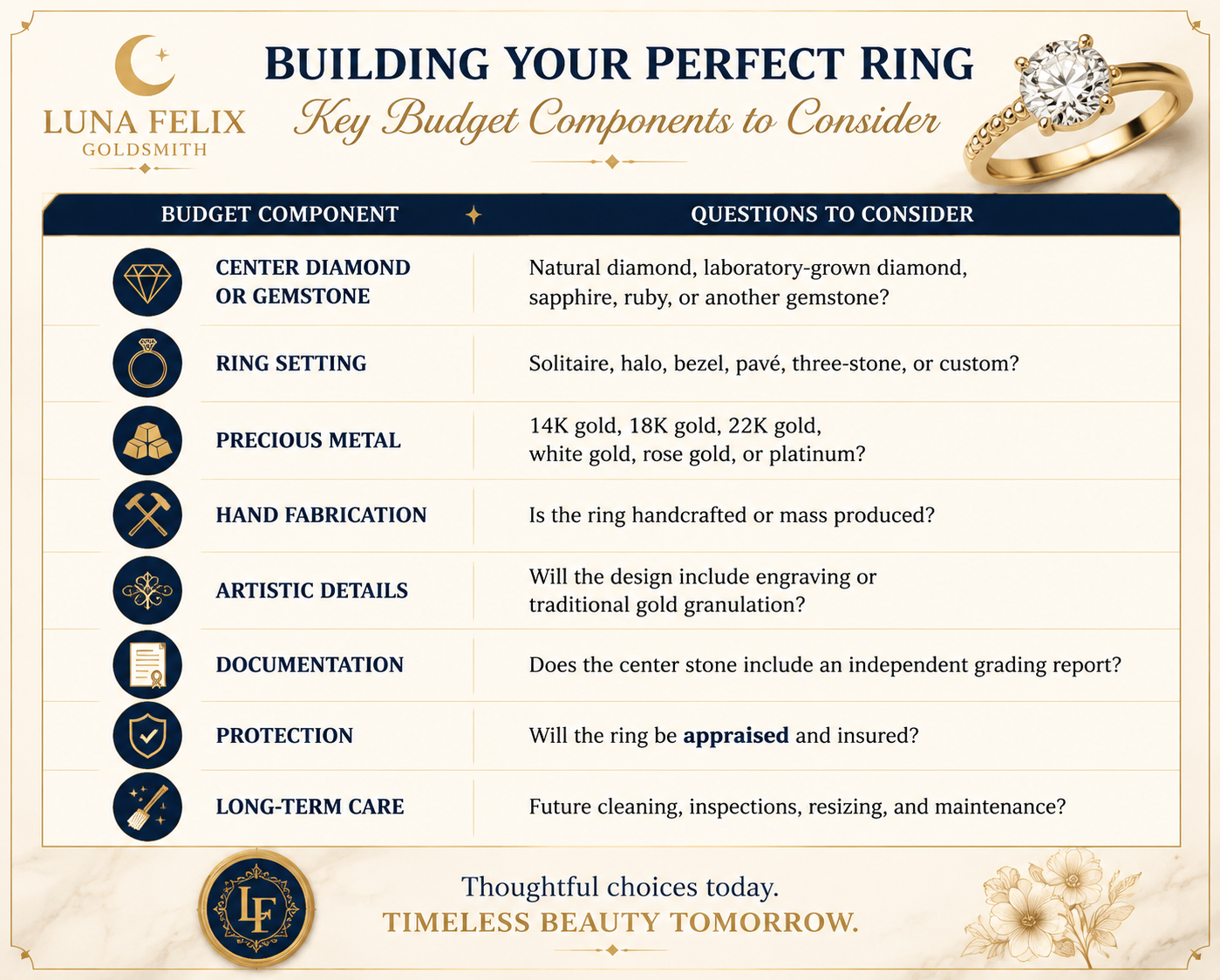
Looking at the complete picture often leads to a more balanced purchase than placing the entire budget into the center stone alone.
How Do Diamond 4Cs Affect Price?
One of the biggest influences on an engagement ring's price is the quality of the center diamond.
The Gemological Institute of America (GIA) developed the internationally recognized 4Cs to help buyers evaluate diamonds consistently.
These four characteristics include:
Cut
Color
Clarity
Carat Weight
Understanding how each factor affects appearance allows buyers to spend more strategically.
Cut
Many jewelers consider cut to be the single most important factor affecting a diamond's beauty.
Cut determines how effectively light travels through the diamond and returns to the viewer's eye, producing:
Brightness
Fire
Scintillation
Overall brilliance
A beautifully cut diamond often appears more lively and visually impressive than a larger diamond with inferior proportions.
Because of this, many buyers choose to prioritize cut quality before maximizing carat weight.
Color
For traditional colorless diamonds, GIA grades color on a scale ranging from D (colorless) through Z (noticeable color).
Higher color grades are generally rarer, but not every buyer needs a completely colorless diamond.
Depending on the chosen setting, especially yellow or rose gold, a slightly warmer diamond may appear just as attractive while allowing greater flexibility within the budget.
Clarity
Clarity measures the presence of natural internal inclusions and external blemishes.
Many inclusions are microscopic and cannot be seen without magnification.
Rather than automatically pursuing the highest clarity grade, many buyers prefer an eye-clean diamond—one whose inclusions are not readily visible during normal viewing. This often provides an excellent balance between beauty and value.
Carat Weight
Carat measures a diamond's weight, not its visible size.
Two diamonds with identical carat weights may appear different depending on:
Shape
Cut proportions
Depth
Table size
Overall dimensions
It's also important to understand "milestone" or "magic" weights such as 0.50, 1.00, 1.50, and 2.00 carats. Diamonds just below these thresholds—such as 0.97 carat instead of 1.00 carat—may offer meaningful savings while appearing nearly identical in size to the naked eye. This strategy can help buyers maximize value without sacrificing visual impact.
Ultimately, the most satisfying engagement ring is rarely the one with the biggest price tag. It is the one that thoughtfully balances the 4Cs, exceptional craftsmanship, meaningful design, and the couple's financial goals to create a ring that will be cherished for a lifetime.
Diamond Shapes
Although many buyers focus first on carat weight, the shape of a diamond has a tremendous influence on its overall appearance, style, and price. Two diamonds with identical weights can look surprisingly different simply because they have different shapes and proportions.
Choosing the right shape is ultimately a matter of personal preference. A ring should reflect the personality and lifestyle of the person who will wear it every day rather than follow current trends or social media.
Some of the most popular diamond shapes include:
Round Brilliant
Oval
Cushion
Emerald Cut
Radiant
Princess
Pear
Marquise
Asscher
Heart
Antique Cuts
Each shape offers its own unique personality.
Round Brilliant
The round brilliant remains the most popular engagement-ring diamond because its facet arrangement is designed to maximize brilliance, fire, and sparkle. It is also typically the most expensive shape on a per-carat basis because of both high demand and the amount of rough diamond lost during cutting.
Oval
Oval diamonds have become increasingly popular because their elongated outline can make the stone appear larger than a round diamond of similar weight while creating an elegant appearance on the finger.
Cushion
Cushion-cut diamonds combine soft rounded corners with larger facets, creating a romantic look that works beautifully in both vintage-inspired and contemporary settings.
Emerald and Asscher Cuts
Rather than emphasizing intense sparkle, these cuts showcase clarity through broad, mirror-like facets. Their architectural appearance appeals to buyers who appreciate understated sophistication.
Pear and Marquise
These elongated shapes can maximize finger coverage and create a graceful appearance while often allowing buyers to choose slightly lower carat weights without sacrificing visual presence.
At Luna Felix Goldsmith, the choice of shape is never made in isolation. The shape influences the setting, precious metal selection, proportions of the finished ring, and even decorative elements such as hand engraving or traditional gold granulation. Every custom engagement ring is designed around the specific diamond rather than forcing the diamond into a standardized commercial setting.
Natural vs. Laboratory-Grown Diamonds
One of the biggest decisions facing today's engagement-ring buyers is whether to choose a natural diamond or a laboratory-grown diamond.
The first thing to understand is that both are real diamonds.
Both possess essentially the same chemical composition, crystal structure, and hardness. To the unaided eye, they can appear virtually identical. Specialized gemological equipment is often required to distinguish one from the other.
The primary difference is how they were formed.
Natural Diamonds
Natural diamonds formed deep within the earth over immense periods of geological time under extraordinary heat and pressure before eventually reaching the earth's surface through volcanic activity.
Many buyers appreciate the rarity and natural history represented by these gemstones.
Laboratory-Grown Diamonds
Laboratory-grown diamonds are created in carefully controlled manufacturing environments using advanced technology that reproduces the conditions necessary for diamond growth.
Although their origin differs, laboratory-grown diamonds are still diamonds—not diamond simulants such as cubic zirconia or moissanite.
Because laboratory-grown diamonds can generally be produced in greater quantities, they often cost less than natural diamonds with similar grading characteristics.
Neither option is inherently "better."
Some couples appreciate the geological rarity and history associated with natural diamonds.
Others prefer the opportunity to purchase a larger or higher-quality laboratory-grown diamond while remaining within their preferred budget.
The most important consideration is transparency.
Reputable jewelers clearly disclose whether a diamond is natural or laboratory-grown so buyers can make informed decisions based on their own priorities.
Rather than encouraging one option over the other, Luna Felix Goldsmith believes clients deserve clear education that allows them to choose the stone that best aligns with their personal values, aesthetic preferences, and financial goals.
Colored Gemstones
Although diamonds have traditionally dominated engagement-ring jewelry, they are certainly not the only option.
Many couples today choose colored gemstones because they reflect individuality, family history, favorite colors, or artistic expression.
Popular engagement-ring gemstones include:
Sapphire
Ruby
Emerald
Spinel
Tourmaline
Aquamarine
Sunstone
Each gemstone offers its own personality and symbolism.
Blue sapphires remain one of the most popular diamond alternatives because of their durability and timeless elegance.
Rubies are admired for their vibrant red color and exceptional rarity, with some extraordinary natural rubies commanding values that exceed many diamonds.
Emeralds display unmistakable rich green color but require thoughtful setting and care because they are generally less durable than diamonds or sapphires.
Some couples even choose combinations, such as:
Diamond center with sapphire accents
Sapphire center with diamond halo
Ruby center with diamond side stones
Diamond center surrounded by colored gemstones
A colored gemstone should never be selected simply because it is assumed to cost less.
Instead, it should be chosen because it reflects the wearer's personality and creates the emotional connection they want their engagement ring to represent.
At Luna Felix Goldsmith, gemstone selection is viewed as part of an artistic collaboration. Color, durability, symbolism, proportions, setting design, and long-term wearability are all carefully considered before the finished piece is handcrafted.
How Does the Setting Affect Cost?
Many buyers focus almost entirely on the center diamond while overlooking the importance of the setting.
The setting contributes significantly to both the appearance and cost of the finished ring.
Common engagement-ring styles include:
Solitaire
Halo
Three-Stone
Pavé
Bezel
Cathedral
Vintage-Inspired
Contemporary Sculptural
Custom Hand-Fabricated
Each style requires different levels of craftsmanship.
A classic solitaire emphasizes the center diamond and often allows buyers to devote more of their budget toward the stone itself.
Halo settings use numerous smaller diamonds surrounding the center stone to increase visual impact while adding additional gemstone-setting labor.
Three-stone rings require carefully matched side stones that complement the center diamond.
Pavé settings involve setting numerous small diamonds into the surface of the ring, creating additional labor and precision.
Custom handcrafted settings often require significantly more artistic planning and fabrication than mass-produced mountings.
Decorative details may further influence the final investment.
These include:
Hand engraving
Filigree
Milgrain
Sculptural metalwork
Gold granulation
Mixed metals
Custom bezels
Rather than selecting a standard mounting from a catalog, Luna Felix Goldsmith handcrafts jewelry around each individual gemstone, creating a harmonious balance between the center stone and the finished design. This personalized approach reflects the studio's emphasis on one-of-a-kind artistry rather than mass production.
Gold vs. Platinum
The metal chosen for an engagement ring influences not only its appearance but also its character, durability, maintenance requirements, and overall cost.
Several excellent choices are available.
14K Gold
Fourteen-karat gold is widely used because it offers durability and versatility while remaining suitable for everyday wear.
18K Gold
Containing a higher percentage of pure gold, 18K gold provides a richer color and luxurious appearance while remaining an excellent choice for fine handcrafted jewelry.
22K Gold
Luna Felix Goldsmith is especially known for creating extraordinary jewelry using rich 22K gold in combination with the ancient technique of gold granulation.
Because of its higher gold content, 22K gold is often selected for artistic, heirloom-quality pieces that emphasize craftsmanship and timeless beauty rather than mass production.
White Gold
White gold offers a bright contemporary appearance and pairs beautifully with colorless diamonds.
Depending on the alloy used, periodic rhodium refinishing may be recommended to maintain its bright white finish.
Rose Gold
Rose gold continues to grow in popularity because of its warm romantic color that beautifully complements many diamonds and colored gemstones.
Platinum
Platinum is naturally white and exceptionally dense.
Its durability, rarity, and heavier weight often contribute to higher material costs.
The best metal depends on:
Personal style
Lifestyle
Desired color
Ring design
Maintenance expectations
Budget
There is no universally "best" choice.
Instead, the metal should complement both the gemstone and the person who will wear the ring.
Why Consider a Custom Engagement Ring?
A custom engagement ring allows the finished piece to become far more than simply a beautiful object.
It becomes a personal story.
Rather than beginning with an existing ring, the design process starts with the individual.
Clients may work directly with Luna Felix to determine:
Preferred diamond or gemstone
Shape
Metal
Ring style
Setting
Surface texture
Decorative details
Personal symbolism
Lifestyle considerations
From there, every stage of the project is carefully developed, including gemstone selection, design refinement, fabrication, stone setting, finishing, and final presentation.
This collaborative process allows each ring to become truly one of a kind.
Heirloom Diamonds
Many families possess diamonds that have been passed from one generation to the next.
An heirloom diamond can become the centerpiece of an entirely new engagement ring while preserving family history and sentimental significance.
Before incorporating an inherited stone into a new design, it should be professionally examined to evaluate:
Overall condition
Chips or abrasions
Existing wear
Structural durability
Measurements
Proportions
Previous repairs
Compatibility with the new setting
Sometimes original accent stones can also be incorporated into the redesigned piece.
Using an heirloom diamond does not necessarily eliminate all costs. Custom design, fabrication, new precious metal, stone setting, finishing, and possible restoration still require skilled craftsmanship.
However, many clients discover that the greatest value lies not in financial savings but in preserving a cherished family legacy while creating an engagement ring that reflects the next chapter of its story.
At Luna Felix Goldsmith, heirloom redesign projects blend traditional goldsmithing techniques with thoughtful contemporary design, allowing treasured family gemstones to continue their journey in a piece of handcrafted jewelry created for generations yet to come.
Spending Strategically
Choosing an engagement ring is not about finding the largest diamond possible or matching someone else's budget. Instead, it's about making thoughtful decisions that maximize beauty, craftsmanship, durability, and personal meaning while remaining financially comfortable.
One of the smartest approaches is to establish your budget before visiting a jeweler. Knowing your comfortable spending range helps narrow your options and keeps the focus on finding the right ring rather than simply the most expensive one.
Many buyers also discover they can stretch their budget by understanding where their money creates the greatest visual impact.
For example, you may wish to:
Prioritize exceptional cut quality over maximum carat weight.
Consider a diamond with slightly warmer color if choosing yellow or rose gold.
Select an eye-clean clarity grade instead of paying for microscopic perfection.
Compare different diamond shapes that may offer greater visual size.
Consider diamonds just below milestone weights such as 1.00 or 1.50 carats.
Explore laboratory-grown diamonds if they better align with your priorities.
Consider durable colored gemstones such as sapphires or rubies.
Invest in custom craftsmanship rather than size alone.
Many buyers are surprised to discover that thoughtful design choices often create a more beautiful engagement ring than simply purchasing a larger center stone.
At Luna Felix Goldsmith, every engagement ring is approached as an individual work of art. Rather than emphasizing a single specification, Luna helps clients balance gemstone selection, metal choice, handcrafted construction, and personal symbolism to create jewelry that reflects the individual who will wear it.
Should You Finance an Engagement Ring?
Some couples choose to finance an engagement ring, while others prefer to save and purchase it outright.
Neither approach is automatically right or wrong. The important consideration is understanding the complete financial commitment before making a decision.
If financing is being considered, review:
Interest rate
Promotional financing period
Deferred-interest provisions
Monthly payment
Total repayment amount
Late-payment penalties
Additional fees
A low monthly payment can make a ring appear more affordable than it actually is.
For example, a ring purchased through financing may ultimately cost considerably more than its original purchase price if interest accumulates over time.
Before financing, ask yourself:
Can I comfortably afford the monthly payments?
Will financing interfere with other financial goals?
Could I purchase a slightly different ring without financing?
Would saving for several additional months reduce financial stress?
The beginning of a marriage should be built upon thoughtful planning rather than unnecessary financial pressure.
Why Does a Diamond Grading Report Matter?
One of the most valuable documents accompanying many important diamonds is an independent grading report.
A grading report describes the characteristics of the diamond, including:
Carat weight
Cut
Color
Clarity
Measurements
Proportions
Polish
Symmetry
Fluorescence (when applicable)
Many buyers choose diamonds that have been evaluated by respected independent gemological laboratories because these reports provide a consistent description of the stone's quality.
It is important to understand that a grading report is not the same as an appraisal.
A grading report identifies and evaluates the diamond.
An appraisal estimates value for a specific purpose, such as insurance.
Understanding the distinction helps buyers make more informed purchasing decisions.
Appraisals & Insurance
After purchasing an engagement ring, many owners choose to obtain both a professional appraisal and appropriate insurance coverage.
Insurance can help protect against losses resulting from events such as:
Theft
Loss
Certain types of accidental damage
Insurance policies differ considerably, so buyers should carefully review:
Coverage limits
Deductibles
Repair provisions
Replacement methods
Scheduled jewelry requirements
Appraisal update requirements
Likewise, appraisals may need periodic updating as precious metal prices and gemstone markets change.
Protecting an engagement ring should be viewed as part of long-term ownership rather than an afterthought.
Common Engagement Ring Budget Mistakes
Even well-prepared buyers occasionally make avoidable mistakes.
Some of the most common include:
Following the Salary Rule
There is no universal amount every person should spend.
Shopping Before Establishing a Budget
Without a realistic spending range, it is easy to become emotionally attached to rings that exceed your financial comfort level.
Focusing Only on Carat Weight
Larger is not always more beautiful.
Cut quality, proportions, and craftsmanship often influence appearance far more than size alone.
Ignoring the Setting
The setting contributes significantly to both the beauty and durability of the finished ring.
Forgetting Additional Costs
Many buyers overlook:
Sales tax
Insurance
Appraisals
Future maintenance
Ring sizing
Assuming Custom Jewelry Is Always More Expensive
Custom jewelry varies widely.
Some handcrafted designs may cost less than comparable designer brands while providing a far more personal result.
Purchasing Without Documentation
When purchasing an important center diamond, independent documentation helps buyers better understand exactly what they are receiving.
Frequently Asked Questions
How much should I spend on a diamond engagement ring?
Choose an amount that comfortably fits your finances while allowing you to create a meaningful ring. There is no universally required budget.
Is the three-month salary rule still recommended?
No. Most experts encourage buyers to establish budgets based upon their individual financial circumstances rather than historical advertising guidelines.
Are laboratory-grown diamonds real diamonds?
Yes. Laboratory-grown diamonds are genuine diamonds with the same basic chemical composition and crystal structure as natural diamonds but are created in controlled environments rather than formed within the earth.
Can I use an heirloom diamond?
Often, yes. A professional jeweler should first evaluate the stone's condition and determine whether it is suitable for incorporation into a new design.
Does custom jewelry always cost more?
Not necessarily. Cost depends upon the gemstone, precious metal, design complexity, craftsmanship, and fabrication required.
Is platinum better than gold?
Neither is universally better. The ideal choice depends upon design preferences, durability requirements, appearance, maintenance expectations, and budget.
Should I insure my engagement ring?
Many owners choose to insure valuable engagement rings to help protect against certain types of loss or damage. Coverage depends upon the specific insurance policy.
Visit Luna Felix Goldsmith in Santa Fe
Selecting an engagement ring should be an enjoyable and educational experience—not one driven by outdated spending formulas or sales pressure.
Whether you're searching for a natural diamond, a laboratory-grown diamond, a vibrant sapphire, an exceptional ruby, or an heirloom redesign, Luna Felix Goldsmith provides personalized guidance throughout every stage of the design process.
Working directly with Luna allows clients to compare gemstones, understand gold, explore handcrafted settings, and create a ring that reflects both the wearer and the relationship it celebrates.
Located just steps from the historic Santa Fe Plaza, Luna Felix Goldsmith has built a reputation for exceptional craftsmanship, artistic vision, and one-of-a-kind custom jewelry featuring our amazing traditional exquisite gold granulation creations.
If you're ready to begin creating a truly personal engagement ring, schedule a private consultation today.
Luna Felix Goldsmith
116 W. San Francisco Street, Suite 208
Santa Fe, NM 87501
Phone: 505-989-7679
Appointments are recommended to ensure dedicated one-on-one design time.
Conclusion
There is no single "correct" amount to spend on a diamond engagement ring.
The best engagement ring is not determined by a salary formula or a specific dollar figure. Instead, it is the one that comfortably fits your financial circumstances while reflecting your partner's personality, your shared values, and your vision for the future.
Every decision—from the diamond's cut, color, clarity, and carat weight to the choice of precious metal, handcrafted setting, and custom details—contributes to a ring that is uniquely yours.
For some couples, that may mean a natural diamond steeped in geological history. For others, it may involve a laboratory-grown diamond, a vibrant sapphire, a rare ruby, or a cherished heirloom gemstone redesigned into a new heirloom. The right choice is the one that best aligns with your priorities, lifestyle, and story.
At Luna Felix Goldsmith, every engagement ring begins with education, collaboration, and exceptional craftsmanship. By working one-on-one with an experienced Santa Fe goldsmith, you can confidently create a handcrafted engagement ring that honors your budget, celebrates your relationship, and is designed to be treasured for generations to come.
How Can You Tell If a Diamond Is Real?
The most reliable way to determine whether a diamond is real is to have it examined by a trained jewelry professional or an independent gemological laboratory. Visual inspection and common home tests may offer clues, but they usually cannot establish with certainty whether a stone is a natural diamond, a laboratory-grown diamond, moissanite, cubic zirconia, or another diamond simulant.
The most reliable way to determine whether a diamond is real is to have it examined by a trained jewelry professional or an independent gemological laboratory. Visual inspection and common home tests may offer clues, but they usually cannot establish with certainty whether a stone is a natural diamond, a laboratory-grown diamond, moissanite, cubic zirconia, or another diamond simulant.
That distinction matters because several different materials can look remarkably similar once they are cut, polished, and placed in a jewelry setting. Some can even respond like diamond to a basic handheld tester.
A stone that looks bright and convincing may be:
A natural diamond
A laboratory-grown diamond
Moissanite
Cubic zirconia
White sapphire
Colorless topaz
Glass
Another transparent gemstone or manufactured simulant
Natural and laboratory-grown diamonds are both genuine diamonds. They share the fundamental chemical, physical, and optical properties associated with diamond, but they form in different environments. Diamond simulants such as moissanite and cubic zirconia are different materials that are cut to resemble diamonds.
The Gemological Institute of America advises that the most reliable method of authenticating a diamond is evaluation by a trained gemologist or independent gemological laboratory. GIA also cautions that much of the internet advice about home testing is incorrect and that some suggested methods can damage the stone or its setting.
At Luna Felix Goldsmith in Santa Fe, selecting or evaluating a gemstone involves more than asking whether it sparkles. The stone’s identity, condition, cut, proportions, setting, documentation, and intended use all deserve careful consideration—particularly when the diamond will become part of a custom engagement ring, family heirloom, or one-of-a-kind piece of handcrafted jewelry.
What Does “Real Diamond” Mean?
The expression “real diamond” is often used loosely, which can create unnecessary confusion.
A clearer approach is to place stones into three broad categories.
Natural Diamonds
Natural diamonds formed within the earth over immense periods of time under conditions of extreme heat and pressure. They are composed primarily of crystallized carbon.
Laboratory-Grown Diamonds
Laboratory-grown diamonds are created in controlled environments through processes designed to reproduce the conditions under which diamond crystals form.
They are genuine diamonds—not imitations—but they are not mined diamonds. Advanced testing may be needed to distinguish them from natural diamonds because their basic material properties are so similar.
The Federal Trade Commission requires sellers to clearly disclose when a diamond is laboratory-grown or laboratory-created so that consumers are not led to believe they are purchasing a mined stone.
Diamond Simulants
A simulant is a different material designed or cut to resemble a diamond.
Examples include:
Moissanite
Cubic zirconia
White sapphire
Colorless topaz
Glass
A simulant may be attractive and appropriate for a particular design, but it should not be represented as either a natural or laboratory-grown diamond.
Can You Tell Whether a Diamond Is Real Just by Looking at It?
Sometimes an experienced jewelry professional can identify a likely simulant through magnification and observation, but appearance alone is not always conclusive.
A jeweler may examine:
Facet junctions
Surface wear
Luster
Inclusions
Doubling of facet reflections
Abrasion along edges
Light dispersion
Girdle features
Laser inscriptions
The way the stone is cut and polished
Certain clues may suggest moissanite, cubic zirconia, glass, or another material. However, the absence of those clues does not prove that a stone is a natural diamond.
Laboratory-grown diamonds can look virtually indistinguishable from natural diamonds without specialized equipment. Likewise, a well-cut simulant may appear convincing to an untrained observer.
The setting can make identification even more difficult. Metal may hide the girdle, pavilion, weight, or identifying features of the stone. Dirt and residue may also alter its appearance.
For these reasons, a visual examination should be treated as one part of the identification process, not as final proof.
Do Home Diamond Tests Work?
Many popular home tests are repeated online as though they provide definite answers. In reality, most are unreliable, incomplete, or potentially damaging.
At best, some tests may help identify an obvious imitation. They usually cannot distinguish every natural diamond from every laboratory-grown diamond or simulant.
The Fog Test
The fog test involves breathing on the gemstone and watching how quickly condensation disappears.
The theory is that diamond disperses heat efficiently, causing fog to disappear quickly. A simulant may hold moisture slightly longer.
The problem is that results can be affected by:
Room temperature
Humidity
Surface cleanliness
Stone size
The setting
Coatings
The person’s breath
How quickly the test is observed
Even if fog disappears rapidly, that does not establish that the stone is a natural diamond. Moissanite also conducts heat efficiently and may confuse a basic heat-based conclusion.
The Water Test
The water test usually involves dropping a loose stone into a glass of water and observing whether it sinks.
Many materials sink in water. A stone sinking does not prove it is diamond, while a mounted stone should never be subjected to this test.
The water test offers little meaningful information and creates a risk of losing or damaging a loose gemstone.
The Newspaper or Dot Test
This test places a loose gemstone over printed text or a drawn dot. If the lettering or dot can be seen clearly through the stone, some sources claim it is not a diamond.
The result depends heavily on:
Cut style
Facet arrangement
Proportions
Stone orientation
Lighting
Whether the gemstone is loose
The viewer’s angle
Some diamonds may produce confusing results, while certain simulants may not allow the text to be seen clearly. This is not a dependable authentication method.
The Scratch Test
The scratch test is based on diamond’s hardness and may involve scratching glass, metal, or another surface.
This test should be avoided.
A stone can be chipped, loosened, or damaged. The jewelry setting can also be scratched. Several materials can scratch glass, so the result does not prove the stone is diamond.
Hardness is only one gemological property, and destructive testing is not appropriate for valuable jewelry.
The Sandpaper Test
Rubbing a stone with sandpaper is another damaging internet recommendation.
Even if the gemstone itself resists scratching, the facet edges, coatings, treatment, surrounding metal, or setting can be harmed. No responsible evaluation should begin by intentionally abrading the jewelry.
The UV-Light Test
Some diamonds fluoresce under ultraviolet light, while others do not. The strength and color of fluorescence vary.
A glow under UV light does not establish that the gemstone is diamond, and the absence of fluorescence does not establish that it is fake. Other materials may also fluoresce.
UV examination can be useful to trained professionals as one part of a larger testing process, but it is not a conclusive consumer test by itself.
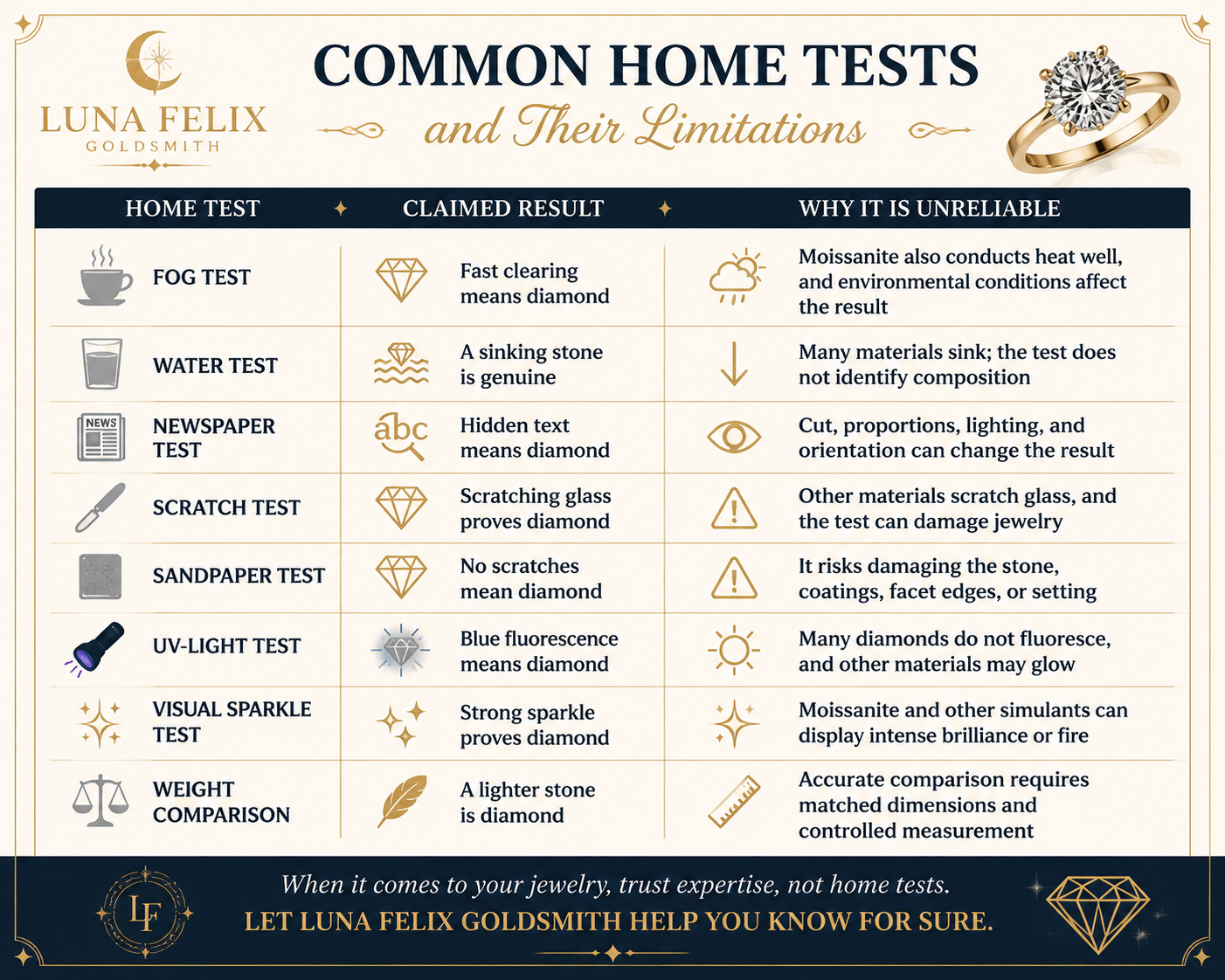
Can a Diamond Tester Tell You for Certain?
A conventional handheld diamond tester often measures thermal conductivity.
Diamond conducts heat very efficiently, so a thermal tester can separate diamond from many common simulants. However, some moissanite can also register as diamond on basic thermal-only devices because its thermal conductivity is relatively high. GIA has documented that this similarity can cause confusion and that additional properties and testing are needed to separate the materials reliably.
More advanced instruments may combine thermal and electrical-conductivity testing to better distinguish diamond from moissanite.
Even then, a basic tester may not determine whether a diamond is natural or laboratory-grown. Both are diamonds and can respond similarly.
Specialized screening technology uses optical or spectroscopic characteristics to separate natural diamonds from laboratory-grown diamonds and simulants. GIA’s iD100, for example, uses advanced spectroscopic technology to screen mounted and loose stones and refer uncertain results for additional testing.
A handheld tester can therefore be a useful tool, but the result must be interpreted within the limits of the instrument.
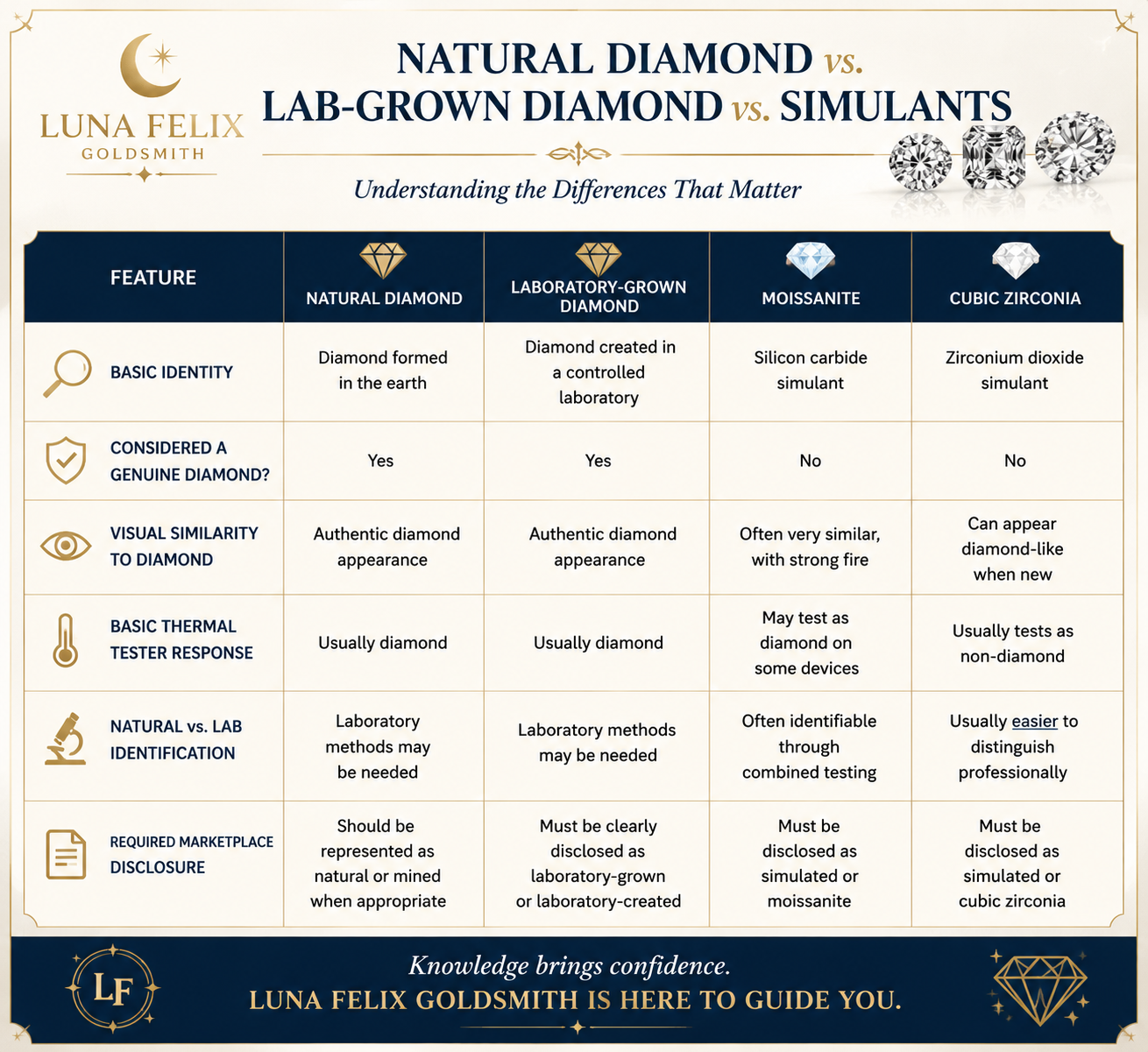
Is Moissanite a Real Diamond?
No. Moissanite is not diamond.
Moissanite used in jewelry is generally laboratory-created silicon carbide. It can be very durable and may display even more colorful fire than diamond, which some buyers enjoy.
Its optical and physical properties differ from those of diamond. Under magnification, a trained observer may notice double refraction or other identifying characteristics. Advanced conductivity testing can also help distinguish it.
Moissanite should be represented honestly as moissanite rather than described as a natural or laboratory-grown diamond.
GIA has reported cases in which synthetic moissanite carried fraudulent inscriptions matching genuine GIA diamond reports. That illustrates why an inscription or report number should be verified rather than accepted without comparison to the stone’s measurements and report data.
Is Cubic Zirconia a Real Diamond?
No. Cubic zirconia is a manufactured diamond simulant made from zirconium dioxide.
It can look bright and attractive, especially when new, but it differs from diamond in hardness, density, durability, optical properties, and long-term wear.
Cubic zirconia is generally heavier than a diamond of comparable dimensions and may show wear, scratches, or softened facet edges over time.
It is a legitimate jewelry material when disclosed accurately, but it should never be represented as diamond.
Is a Laboratory-Grown Diamond Fake?
No. A laboratory-grown diamond is a genuine diamond with a different origin.
It is not a diamond simulant.
Natural and laboratory-grown diamonds share the essential chemical composition and crystal structure of diamond. The meaningful distinction is whether the crystal formed within the earth or in a controlled production environment.
Because laboratory-grown diamonds may be difficult to separate from natural diamonds through ordinary observation, gemological laboratories use spectroscopy and other advanced techniques. GIA states that its laboratories can determine whether a diamond was produced through HPHT or CVD growth and can identify evidence of certain post-growth treatments.
Clear disclosure protects buyers and allows them to choose according to their preferences, values, and intended use.
What Professional Methods Are Used to Identify Diamonds?
A trained professional may use several complementary methods rather than relying on one test.
Magnification
A jeweler’s loupe or gemological microscope may reveal inclusions, growth features, abrasion, doubled facet reflections, polishing characteristics, or manufacturing clues.
Magnification can provide valuable information, but it may not conclusively separate natural from laboratory-grown diamonds.
Thermal and Electrical Conductivity
These instruments help distinguish diamond from many simulants. Combined testers are particularly useful for separating diamond from moissanite.
Refractive and Optical Observation
The professional may evaluate luster, dispersion, transparency, facet reflections, and other optical behavior.
Ultraviolet Examination
Fluorescence and phosphorescence patterns may provide clues when interpreted by someone with appropriate training and equipment.
Spectroscopy and Advanced Screening
Specialized instruments analyze how the gemstone interacts with light. These methods are particularly important when distinguishing natural from laboratory-grown diamonds.
Laboratory Analysis
When the stone is valuable, unusual, undocumented, or difficult to identify, submission to an independent gemological laboratory may provide the greatest confidence.
Professional identification is strongest when multiple observations support the same conclusion.
What Is a Diamond Grading Report?
A diamond grading report is an independent laboratory document describing the characteristics of a particular diamond.
For eligible natural diamonds, a GIA Diamond Grading Report may include:
Carat weight
Color grade
Clarity grade
Cut grade, when applicable
Measurements
Proportions
Finish
Fluorescence
A plotted clarity diagram
Other identifying information
GIA describes its Diamond Grading Report as a full assessment of the 4Cs, supported by proportion and clarity information.
A grading report is not the same thing as a monetary appraisal.
A grading report identifies and evaluates the diamond’s gemological characteristics. An appraisal generally assigns an estimated value for a stated purpose, such as insurance replacement.
Does Every Real Diamond Have a Certificate?
No.
Many genuine diamonds—particularly smaller stones, antique jewelry, inherited pieces, and stones already mounted in jewelry—do not have grading reports.
The absence of a report does not prove that the diamond is fake.
Likewise, the presence of a piece of paper does not by itself prove that the report belongs to the gemstone being examined.
The report number, measurements, weight, shape, clarity features, inscription, and other details should match the actual stone.
It is also more accurate to use the term grading report rather than certificate. A laboratory reports its findings about the gemstone; it does not guarantee future value.
How Do You Verify a GIA Report?
GIA provides an online Report Check service that allows users to confirm that the information on a report matches data stored in GIA’s database.
Verification should include more than confirming that the report number exists.
Compare:
Shape
Carat weight
Measurements
Color
Clarity
Fluorescence
Proportions
Report date
Laser inscription, when present
Identifying clarity characteristics
A fraudulent inscription may copy the number of a legitimate report while appearing on a completely different stone. GIA has encountered this type of deception involving both moissanite and laboratory-grown diamonds.
A professional should examine the gemstone and compare it carefully with the report.
Can a Fake Diamond Sparkle Like a Real One?
Yes.
Sparkle alone is not proof of identity.
Moissanite can display intense brilliance and colorful fire. Cubic zirconia can also look bright, particularly when clean and newly polished. Cut quality, lighting, cleanliness, setting style, and stone size all affect what the eye sees.
Diamond has its own characteristic balance of brilliance, fire, scintillation, hardness, and durability, but a consumer cannot reliably identify composition merely by deciding which stone “sparkles more.”
The better question is not whether a gemstone sparkles, but whether it has been accurately identified and represented.
Should Inherited Diamond Jewelry Be Evaluated?
Yes, especially when the jewelry has meaningful financial, historical, or sentimental value.
Inherited pieces may contain:
Natural diamonds
Old-cut diamonds
Diamond simulants
Replacement stones
Mixed natural and imitation stones
Damaged or loose gemstones
Worn prongs
Previous repairs
Valuable precious metals
Gemstones that were incorrectly described within the family
A professional evaluation can help clarify what the piece contains and whether it is safe to wear.
It can also support decisions about:
Insurance
Restoration
Resizing
Resetting the diamond
Redesigning the piece
Preserving original craftsmanship
Dividing inherited property
Creating a new family heirloom
At Luna Felix Goldsmith, jewelry evaluation can be approached as part of a broader conversation about craftsmanship, condition, stone security, and the future of the piece. The objective is not simply to attach a label to the stone, but to understand the jewelry as a complete work.
When Should You Seek Professional Diamond Evaluation?
Professional evaluation is especially important when:
Purchasing a diamond engagement ring
Buying a loose diamond
Comparing natural and laboratory-grown diamonds
Evaluating inherited jewelry
Verifying a grading report
Considering an online or private-party purchase
Insuring valuable jewelry
Resetting an existing diamond
Redesigning an heirloom
Questioning a seller’s description
A basic diamond tester gives an uncertain result
The gemstone has no documentation
The jewelry contains several similar-looking stones
The cost of a professional examination is often small compared with the cost of making a mistaken purchase or damaging a meaningful piece through an unsafe home test.
Questions to Ask Before Purchasing a Diamond
Before committing to a diamond, ask:
Is the diamond natural or laboratory-grown?
Has it received any treatment?
Is there an independent grading report?
Which laboratory issued the report?
Does the report match the stone?
Is there a laser inscription?
What are the diamond’s color, clarity, cut, and carat weight?
Can I view the diamond under magnification?
How does the stone perform in different lighting?
Is the setting appropriate for the diamond’s shape and intended use?
What care and inspection schedule is recommended?
What documentation will I receive?
Clear, direct answers are an important part of a trustworthy buying experience.
Frequently Asked Questions
How can I tell whether a diamond is real at home?
You may notice clues, but no common home test can conclusively identify every natural diamond, laboratory-grown diamond, and simulant. Professional examination is the safest and most reliable approach.
Can a jeweler tell whether a diamond is real?
A knowledgeable jeweler can often identify obvious simulants and use professional instruments to screen the stone. Difficult cases may require analysis by an independent gemological laboratory.
Is a lab-grown diamond a real diamond?
Yes. It is a genuine diamond created in a controlled environment rather than mined from the earth. It should be clearly disclosed as laboratory-grown or laboratory-created.
Is moissanite a diamond?
No. Moissanite is a different material that can resemble diamond and may register as diamond on some basic thermal testers.
Can cubic zirconia pass a diamond tester?
Most thermal diamond testers will identify cubic zirconia as non-diamond, but instrument quality, user technique, stone size, temperature, and setting conditions can affect results.
Does a real diamond always scratch glass?
Diamonds can scratch glass, but other materials can as well. Attempting the test can damage the stone or jewelry and should be avoided.
Can you identify a diamond by its sparkle?
No. Moissanite and other simulants may also display considerable brilliance and fire. Sparkle alone does not prove composition.
What is a GIA certificate?
The more accurate term is GIA grading report. The report documents the laboratory’s findings about a specific gemstone’s identity and quality characteristics.
Can a GIA report be fake?
A fraudulent or altered document—or a real report number assigned to a different stone—is possible. Use GIA Report Check and compare the report data with the actual gemstone.
Should inherited jewelry be professionally evaluated?
Yes. Evaluation can identify the stones and metal, reveal condition problems, support insurance decisions, and help determine whether restoration or redesign is appropriate.
Visit a Santa Fe Custom Jeweler for Diamond Guidance
A diamond often marks an engagement, anniversary, inheritance, or another meaningful moment. That significance deserves more than guesswork.
To discuss a diamond, inherited piece, or custom jewelry project, contact:
Luna Felix Goldsmith
116 W. San Francisco Street, Suite 208
Santa Fe, New Mexico 87501
Phone: 505-989-7679
Appointments are recommended.
Conclusion
Determining whether a diamond is real is not as simple as watching it fog, dropping it into water, scratching glass, or judging how brightly it sparkles.
Those methods may produce misleading results, and some can damage the stone or setting.
Professional identification considers several characteristics together. A jeweler or gemological laboratory may use magnification, conductivity testing, ultraviolet examination, spectroscopy, report verification, and other tools to determine whether a stone is a natural diamond, laboratory-grown diamond, moissanite, cubic zirconia, or another material.
It is equally important to understand that a laboratory-grown diamond is a genuine diamond, while moissanite and cubic zirconia are diamond simulants. Each can have a place in jewelry when described accurately and chosen knowingly.
For a meaningful purchase or treasured heirloom, confidence should come from transparent disclosure, appropriate documentation, and knowledgeable examination—not an internet shortcut.
Working with an experienced custom jeweler helps ensure that the gemstone is not only identified properly, but also selected, designed, set, and cared for with the attention required to become part of a lasting piece of wearable art.

Why Custom Jewelry Is a Smarter Investment Than Mass-Produced Retail Jewelry
For anyone looking to level up their personal collection, buying fine jewelry feels like a major milestone. However, stepping into a traditional luxury retail boutique can be deceiving. The sparkling cases and pristine lighting often mask a frustrating industry secret: much of today's mass-produced retail jewelry is engineered for quick corporate turnover and maximum profit margins, not long-term durability or value.
If you want your jewelry to serve as a genuine, lasting asset, shifting your focus toward custom benchwork is the smartest move you can make. When you choose custom craftsmanship over an assembly line, the structural and financial differences are staggering.
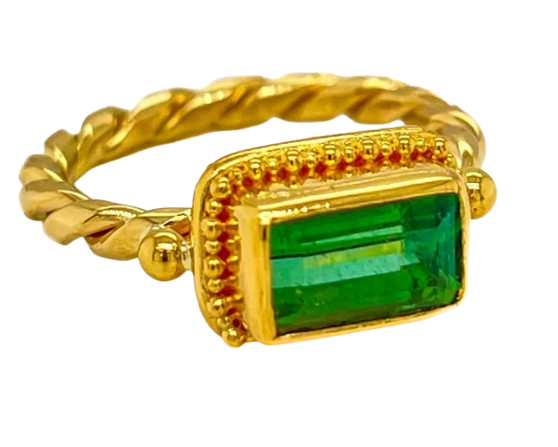
Why Custom Jewelry Is a Smarter Investment Than Mass-Produced Retail Jewelry
For anyone looking to level up their personal collection, buying fine jewelry feels like a major milestone. However, stepping into a traditional luxury retail boutique can be deceiving. The sparkling cases and pristine lighting often mask a frustrating industry secret: much of today's mass-produced retail jewelry is engineered for quick corporate turnover and maximum profit margins, not long-term durability or value.
If you want your jewelry to serve as a genuine, lasting asset, shifting your focus toward custom benchwork is the smartest move you can make. When you choose custom craftsmanship over an assembly line, the structural and financial differences are staggering.
The Structural Reality of Mass Production
To understand why commercial jewelry falls short, you have to look underneath the polish. Mass-produced luxury brands rely on high-volume casting machines to churn out thousands of identical pieces every single day. To keep manufacturing costs low and stretch their supply of precious metals, these corporations often resort to cost-cutting shortcuts.
Commercial jewelry is frequently hollowed out on the inside or cast incredibly thin. This lightweight construction results in a piece that looks substantial from the front but feels fragile and light in your hand. Furthermore, mass-produced settings often feature flimsy, machine-stamped prongs that easily bend, snag, or snap over time, putting your valuable gemstones at risk of falling out and becoming lost.
The Custom Difference: Heirloom-Quality Construction
Custom fine jewelry approaches the craft from a completely different perspective. When you work with a dedicated artisan studio like Luna Felix Goldsmith, your jewelry is built by hand from the ground up, utilizing superior, solid-metal construction.
Mass-Produced Retail: Thin, Hollowed-Out Castings + Flimsy Machine-Stamped Prongs
Custom Benchwork: Substantial, Solid-Metal Weight + Hand-Forged, Heavy-Duty Settings
Custom benchwork yields an uncompromised, heavy-metal weight that you can immediately feel. Master goldsmiths hand-forge their settings and meticulously shape each individual prong, ensuring they are robust enough to lock precious stones securely in place for generations. Instead of a fragile accessory destined for frequent repairs, custom creation results in a durable, structural masterpiece built to withstand the rigors of daily wear.
The Artistry Premium: Beyond its superior physical durability, custom jewelry carries a distinct artistic premium. Studios like Luna Felix Goldsmith use specialized, old-world techniques—such as hand-alloying rich 22-karat gold and executing flawless gold granulation—to create rare, highly sought-after wearable art. You are investing in a one-of-a-kind original that commands respect on the estate market, rather than a generic piece stamped out by a machine.
Frequently Asked Questions
Why does custom jewelry feel so much heavier than mass-produced retail pieces of the same size?
Mass-produced commercial brands frequently hollow out the backings and undersides of their jewelry to save on manufacturing costs and minimize the use of precious metals. In contrast, custom studios like Luna Felix Goldsmith utilize solid, substantial metal construction throughout the entire piece, resulting in superior durability and a much higher intrinsic metal weight.
Are the gemstone settings in custom jewelry more secure than those from major retail brands?
Yes, because commercial brands rely on thin, machine-stamped prongs that easily bend or break under normal wear and tear. Custom benchwork involves hand-forging heavy-duty prongs and bezels that are specifically tailored to the exact dimensions of your stone, providing unparalleled security for your gemstones.
Does the unique design of custom jewelry hurt its long-term investment value?
Not at all; in fact, the opposite is true because generic, mass-produced items are common and lose their appeal on the secondary market. One-of-a-kind, master-crafted designs from a prestigious studio like Luna Felix Goldsmith are highly valued by collectors and estate buyers who are willing to pay a premium for authentic, irreplaceable artistry.
Invest in Jewelry Built to Endure at Luna Felix Goldsmith
If you are ready to move past lightweight, mass-produced retail pieces and invest in jewelry that combines structural integrity with breathtaking beauty, it is time to visit Luna Felix Goldsmith. Situated in the historic heart of Santa Fe, the studio is renowned for transforming rich, high-karat gold and vibrant gemstones into substantial, heirloom-quality treasures designed to stand the test of time.
Don't settle for hollow luxury when you can own a solid, hand-forged work of art. Discover the difference by exploring the collection at lunafelixgoldsmith.com, or call Luna Felix Goldsmith directly at 505-989-7679 to begin planning your custom heirloom investment today.
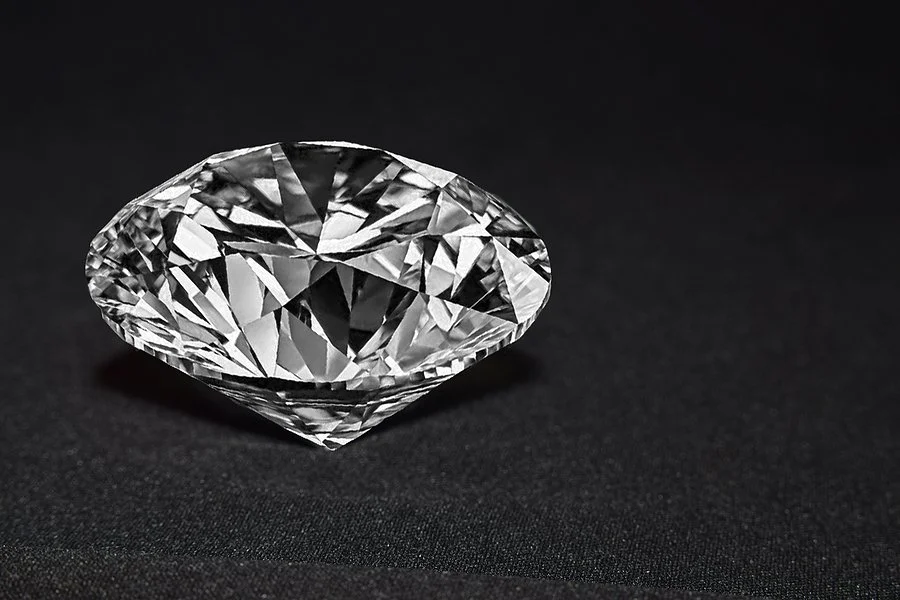
Lab-Grown Diamonds vs Natural in Custom Jewelry Value
The rapid rise of lab-grown diamonds has completely transformed the modern jewelry landscape, sparking an important debate among collectors and fine jewelry enthusiasts. On paper, the appeal is obvious: lab-grown diamonds possess the identical chemical, physical, and optical properties of their mined counterparts, but come at a fraction of the price.
However, as consumers look to design bespoke heirlooms, a critical question arises: how do these manufactured stones impact the long-term investment value of a custom piece? To navigate this choice, it is essential to understand the fundamental difference between upfront cosmetic value and long-term secondary-market asset retention.
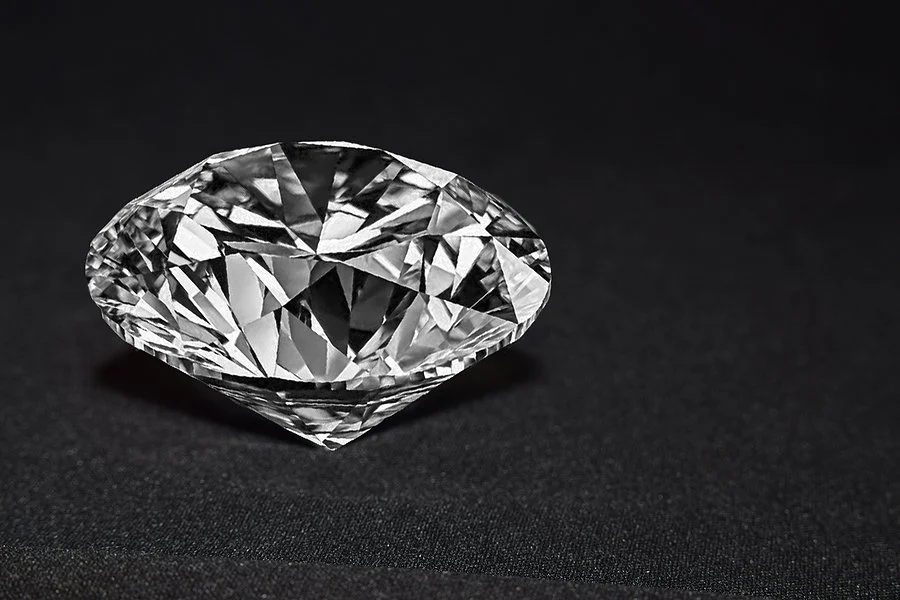
Lab-Grown Diamonds vs Natural in Custom Jewelry Value
The rapid rise of lab-grown diamonds has completely transformed the modern jewelry landscape, sparking an important debate among collectors and fine jewelry enthusiasts. On paper, the appeal is obvious: lab-grown diamonds possess the identical chemical, physical, and optical properties of their mined counterparts, but come at a fraction of the price.
However, as consumers look to design bespoke heirlooms, a critical question arises: how do these manufactured stones impact the long-term investment value of a custom piece? To navigate this choice, it is essential to understand the fundamental difference between upfront cosmetic value and long-term secondary-market asset retention.
Cosmetic Value vs. Asset Retention
Lab-grown diamonds offer an undeniable advantage for buyers prioritizing immediate visual scale. They allow you to maximize your budget, securing a significantly larger, visually flawless stone for the same price as a smaller natural diamond.
The critical caveat, however, lies in market supply and rarity. Because lab-grown diamonds are manufactured in commercial laboratories using advanced technological processes, their supply is virtually infinite. As production technology becomes more efficient, the cost to create lab-grown diamonds continues to plummet year after year. Consequently, a synthetic stone lacks secondary-market resale value; if you attempt to sell a lab-grown diamond down the road, you will find very little demand on the estate market.
Natural diamonds, by contrast, are a finite geological resource formed over billions of years deep within the earth. This inherent rarity is why natural stones remain the premier choice for retaining measurable, long-term asset value.
Structuring a Smart Custom Investment
When commissioning a custom piece with a master studio like Luna Felix Goldsmith, your jewelry should be viewed as a cohesive repository of value. A smart custom investment balances the choice of stones with the undeniable intrinsic worth of the metals surrounding them.
Lab-Grown Choice: [Infinite Supply / Low Resale Stone] + [High-Value High-Karat Precious Metal]
Natural Choice: [Finite Supply / Asset Retention Stone] + [High-Value High-Karat Precious Metal]
By choosing natural gemstones, you ensure that both the center stone and the hand-forged setting move together as tangible assets. However, if you prefer the cosmetic benefits of a large lab-grown diamond, working with an elite studio like Luna Felix Goldsmith becomes even more vital.
When a synthetic stone is set into heavy, substantial 22-karat gold or accented with old-world granulation, the masterful benchwork and high-purity precious metals provide a rock-solid baseline of physical and artistic value. The custom craftsmanship itself ensures the piece behaves as an irreplaceable heirloom, balancing out the depreciating nature of a manufactured stone.
The Artisan Premium: Master designers like Luna Felix Goldsmith elevate fine jewelry into the realm of fine art. When a rare natural stone or a carefully chosen premium gem is married to meticulously hand-alloyed gold, the resulting one-of-a-kind original commands a distinct premium among collectors that mass-produced retail pieces simply cannot replicate.
Frequently Asked Questions
Why do natural diamonds retain their resale value over time while lab-grown diamonds do not?
Natural diamonds are a finite, rare commodity formed over billions of years, which maintains steady global demand on the secondary and estate markets. Lab-grown diamonds, conversely, can be mass-manufactured in unlimited quantities as technology improves, leading to a continuous drop in their market value and negligible resale potential.
Can a custom piece featuring a lab-grown diamond still be considered a good financial investment?
Yes, provided that the setting is handcrafted from high-purity, substantial precious metals by a prestigious studio like Luna Felix Goldsmith. While the synthetic stone itself will not hold resale value, the intrinsic weight of the high-karat gold and the unique artistic value of the custom benchwork ensure the piece retains material worth.
How does the purity of gold affect the overall value retention of custom jewelry?
Higher purity levels, such as the rich 22-karat gold utilized by Luna Felix Goldsmith, contain a significantly higher percentage of pure precious metal than standard commercial 14-karat alloys. This exceptional purity directly ties the baseline value of your custom jewelry to the global commodities market, offering superior raw material wealth retention.
Craft An Heirloom Jewelry Piece with Enduring Worth
Deciding between the immediate cosmetic allure of lab-grown stones and the timeless, finite rarity of natural gems requires a clear understanding of your long-term goals. Whichever path you choose for your stones, your setting deserves the absolute highest level of physical durability and artistic excellence.
Invest in a masterpiece that honors your capital and your personal legacy. Explore the breathtaking portfolio online at lunafelixgoldsmith.com, or call Luna Felix Goldsmith at 505-989-7679 today to schedule a design consultation at their Santa Fe studio and select the perfect, value-retaining materials for your next custom heirloom.
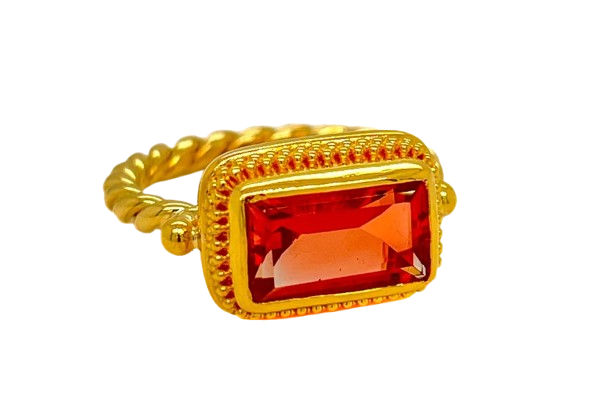
How Gold Weight and Purity Dictate Ultimate Melt Value
When investing in fine jewelry, aesthetic design and craftsmanship provide immediate enjoyment. However, pragmatic buyers often look past the surface cost to evaluate the absolute "floor price" of their investment: its ultimate gold melt value. If a piece were ever stripped of its stones and melted down to raw bullion, its worth would be determined by a cold, unyielding mathematical formula: total weight multiplied by precious metal purity.
In the commercial retail market, mass-produced jewelry is frequently engineered to minimize this baseline value. To save on manufacturing costs, large brands often utilize hollowed-out backings, thin bands, and low-purity alloys (such as 10-karat or 14-karat gold). Because 14-karat gold contains only 58.3% pure gold, nearly half of the piece's weight consists of base metal alloys like copper or nickel, which carry zero resale value.
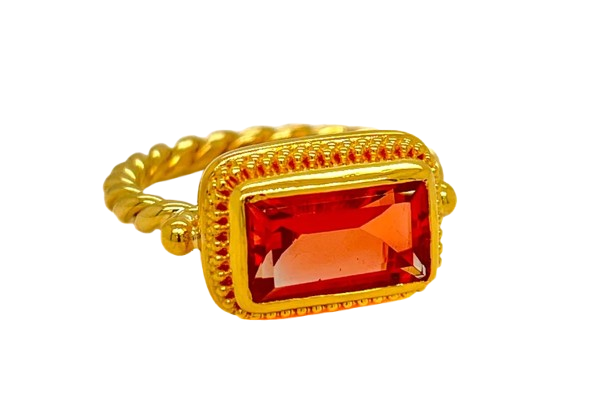
When investing in fine jewelry, aesthetic design and craftsmanship provide immediate enjoyment. However, pragmatic buyers often look past the surface to evaluate the absolute "floor price" of their investment: its ultimate melt value. If a piece were ever stripped of its stones and melted down to raw bullion, its worth would be determined by a cold, unyielding mathematical formula: total weight multiplied by precious metal purity.
In the commercial retail market, mass-produced jewelry is frequently engineered to minimize this baseline value. To save on manufacturing costs, large brands often utilize hollowed-out backings, thin bands, and low-purity alloys (such as 10-karat or 14-karat gold). Because 14-karat gold contains only 58.3% pure gold, nearly half of the piece's weight consists of base metal alloys like copper or nickel, which carry zero resale value.
The Independent Custom Advantage: Solid vs. Hollow
Custom independent artisans approach jewelry design from the exact opposite philosophy. Instead of stretching thin metals over industrial casting molds, master studios prioritize structural density and material purity.
Custom benchwork relies on substantial, solid-metal weight. When you hold a custom piece, it features a distinct, heavy physical presence because it has not been hollowed out to save on material costs.
Commercial Retail: Hollowed/Thin Castings + 14K Purity (58.3% Pure Gold) = Low Melt Floor
Custom Goldsmithing: Solid-Metal Weight + 18K/22K Purity (75%–91.6% Pure Gold) = High Melt Floor
Furthermore, elite custom goldsmiths like Luna Felix Goldsmith work almost exclusively with high-karat gold, specializing in breathtaking 18-karat and rich 22-karat yellow gold. At 22 karats, the metal achieves a staggering 91.6% purity level. This ensures that nearly the entire physical weight of the piece translates directly into pure, unadulterated gold value on the global commodities market.
The Granulation Premium: Beyond providing a high intrinsic floor price, working with high-karat gold allows master studios to execute highly technical, historic styles. Luna Felix Goldsmith utilizes rich 22-karat gold to perform the ancient art of gold granulation—fusing thousands of microscopic, hand-formed golden spheres directly onto a solid gold surface. This pairing ensures that your investment possesses both an exceptionally high raw melt value and irreplaceable artistic value as a rare, collectible heirloom.
Frequently Asked Questions
How can I calculate the exact raw melt value of my custom gold jewelry?
To find the baseline melt value, weigh your jewelry in grams (minus any gemstones) and multiply that number by the percentage of gold purity determined by its karat mark, such as 75% for 18-karat or 91.6% for 22-karat. Finally, multiply that pure gold weight by the current market spot price of gold per gram.
Why do master goldsmiths prefer using 22-karat gold over 14-karat gold for custom work?
High-karat alloys like 22-karat gold possess a radiant, deep yellow luster and exceptional malleability that cannot be replicated by lower-purity metals. Studios like Luna Felix Goldsmith favor this purity because it allows them to execute complex, ancient techniques like gold granulation while ensuring the finished piece retains maximum intrinsic commodity value.
Does a high melt value mean a piece of jewelry will only be worth its weight in scrap metal?
No, the melt value simply establishes the absolute financial "floor price" or minimum baseline value of the asset. Fine jewelry created by an elite studio like Luna Felix Goldsmith commands a significantly higher resale and appraisal price on the secondary market due to its limited-edition artistry, historical techniques, and collector demand.
Invest in Substantial High-Karat Artistry at Luna Felix Goldsmith
Do not settle for lightweight, mass-produced commercial jewelry that loses its structural and material integrity under the surface. If you want your jewelry collection to serve as a tangible store of wealth, choose solid-metal construction and high-karat purity built by hand.
Discover the timeless weight and unparalleled beauty of old-world craftsmanship. Explore the exquisite collections online at lunafelixgoldsmith.com, or call Luna Felix Goldsmith at 505-989-7679 today to schedule a design consultation at their Santa Fe studio and commission a solid, investment-grade heirloom.
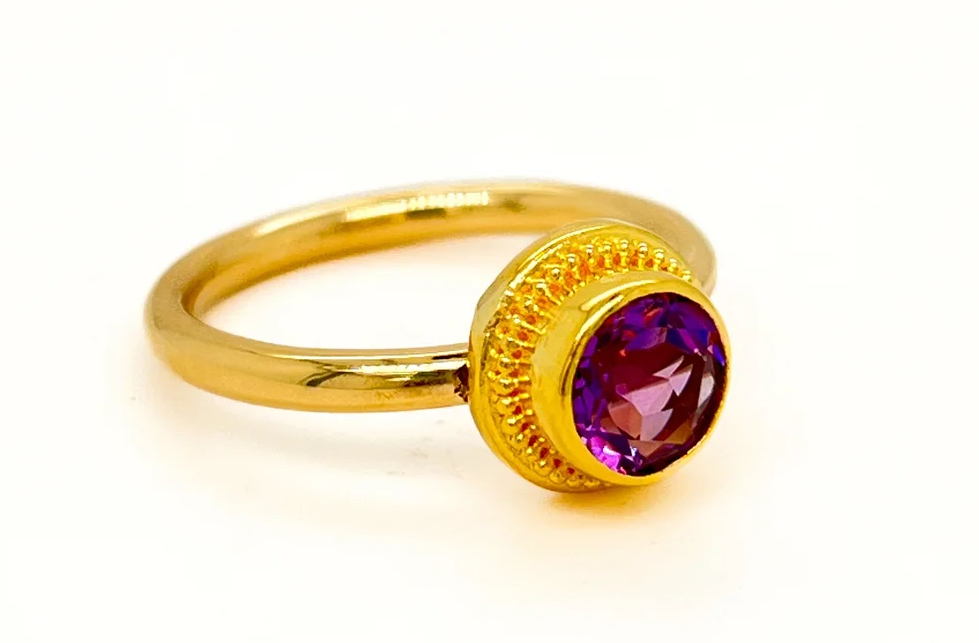
Custom vs. Branded Luxury Jewelry: Which Holds Its True Resale Value?
The uncomfortable truth of the jewelry industry is that major luxury brands carry massive, artificial markups purely for the "name." When you buy custom luxury jewelry, your capital is handled completely differently, altering the asset equation from the moment of creation.
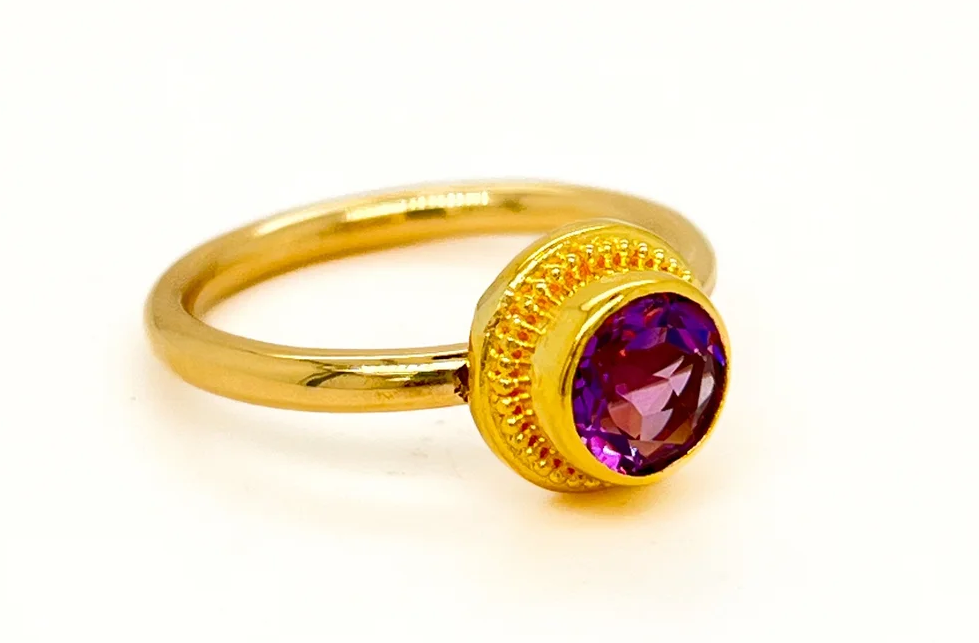
When buying high-end jewelry, it is incredibly easy to get swept away by the prestige of a signature teal box or a globally recognized luxury logo. Consumers often justify the eye-watering price tags of major legacy brands by telling themselves they are making a rock-solid financial investment. But what happens when you step away from the showroom and look at the cold, hard reality of secondary market resale value?
The uncomfortable truth of the jewelry industry is that major luxury brands carry massive, artificial markups purely for the "name." When you buy custom luxury jewelry, your capital is handled completely differently, altering the asset equation from the moment of creation.
The Anatomy of the Luxury Brand Markup
When you purchase a retail piece from an international luxury fashion house, you aren't just paying for the gold and diamonds. You are paying for prime Manhattan or Paris retail rents, multi-million dollar celebrity marketing campaigns, and sleek glossy packaging.
Because of this, the retail price of branded jewelry can easily scale to 300% to 500% above the actual worth of its raw materials. Unless you are buying an incredibly rare, highly sought-after vintage piece that collectors will fight over at an elite auction house, that massive "brand premium" evaporates the moment you walk out the boutique door. If you attempt to resell a standard branded piece later, a buyer will heavily discount that original markup.
Why Custom Jewelry Maximizes Intrinsic Value
Custom jewelry approach investments from the opposite end of the spectrum. Instead of inflating the retail cost with marketing budgets, a custom artisan house channels 75% or more of your total cost directly into the intrinsic value of the raw materials—the actual weight of the high-karat gold and the verified carat, cut, and quality of a certified precious gemstone.
Luxury Brand Price: [Materials] + [MASSIVE BRAND MARKUP & MARKETING]
Custom Jewelry Price: [HIGH-QUALITY MATERIALS & CUSTOM ARTISTRY]
By working with a master studio, you bypass retail middlemen. Your money buys tangible, weighty wealth you can hold in your hand. If the commodities market for precious metals and stones rises, the baseline value of your custom piece moves directly with it.
The Heirloom Advantage: Beyond pure weight in gold, custom studios create one-of-a-kind art. Master-crafted techniques—such as the intricate, centuries-old art of gold granulation—transform raw materials into irreplaceable, museum-quality wearable art that holds distinct value to collectors over mass-produced assembly line luxury.
Frequently Asked Questions
Do certified diamonds hold their value better in custom jewelry or brand-name settings?
A certified stone retains its market value based strictly on its independent grading criteria, meaning a diamond in a custom setting holds the exact same gemological value as an identical stone inside a branded retail setting. The difference is that you will pay significantly less markup for that stone when working with a custom goldsmith, protecting your initial investment.
Can custom jewelry be appraised and insured for its full value just like a major brand?
Yes, custom jewelry receives independent, certified gemological appraisals based on current precious metal weights, gemstone market rates, and the high level of labor required for custom fabrication. Insurance companies treat these custom appraisal values with the exact same legal weight as a retail receipt from a luxury brand.
Does high-karat gold granulation improve the resale value of custom pieces?
Absolutely, because old-world techniques like 22-karat gold granulation require a rare level of manual artistry and higher purity metals than standard mass-produced retail jewelry. This exceptional purity combined with unique, non-replicable design work makes custom pieces highly collectible on the secondary art and estate markets.
Experience True Artistry and Value at Luna Felix Goldsmith
If you are ready to invest in jewelry where your capital goes into exceptional materials and breathtaking, timeless craftsmanship rather than a corporate marketing budget, it is time to discover the master artisans at Luna Felix Goldsmith. Nestled in the heart of Santa Fe, the studio specializes in the ancient, exquisite art of custom gold granulation to create rare, investment-grade, one-of-a-kind treasures tailored to your personal legacy.
Skip the mass-produced luxury markup and own an authentic piece of wearable art. Explore the collection online at lunafelixgoldsmith.com or call Luna Felix Goldsmith at 505-989-7679 to discuss your custom design commission today.
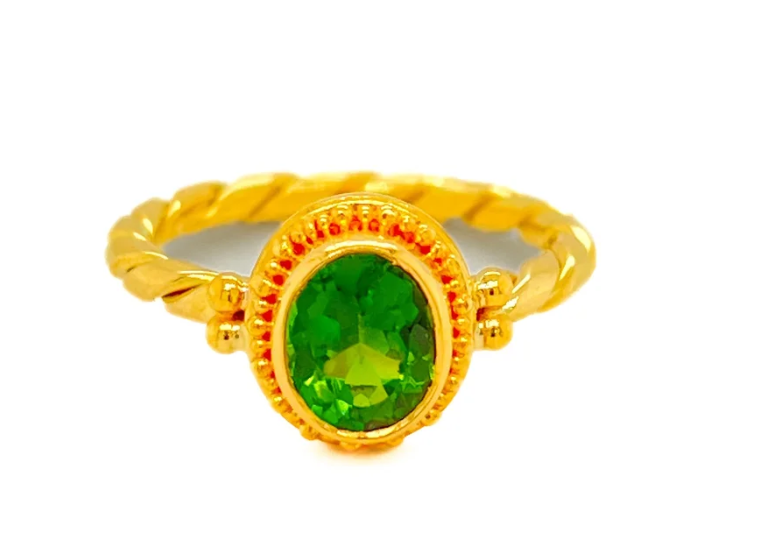
Why Invest in Gold Jewelry in 2026?
There has been a surge in popularity over the past several years of gold jewelry as a fashion statement, as well as an alternative method to invest in gold. This investing style provides investors with physical assets that offer both historic significance and stability as an investment in addition to being an aesthetically pleasing item.
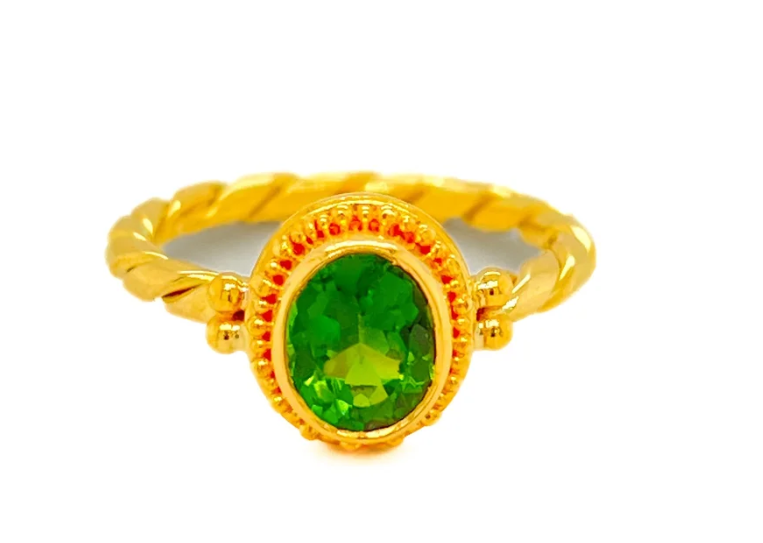
There has been a surge in popularity over the past several years of gold jewelry as a fashion statement, as well as an alternative method to invest in gold. This investing style provides investors with physical assets that offer both historic significance and stability as an investment in addition to being an aesthetically pleasing item.
Looking at gold jewelry through three different perspectives, economically, culturally, and from the marketplace point of view, there is an endless amount of value associated with gold jewelry. Understanding how gold jewelry helps to protect wealth from inflation, how it diversifies a portfolio, and how it preserves the value of the investor’s wealth helps to make better decisions when considering gold jewelry for an investment.
This article will cover the top reasons why investing in gold jewelry would be a wise addition to an overall investment strategy.
The Historical Value and Cultural Significance of Gold Jewelry
For thousands of years, gold jewelry has been a medium of storing value across all cultures and all regions of the world. The very rarity of gold and its indestructibility make gold jewelry the method of creating and/or transferring wealth, as well as the medium through which status is represented or conveyed.
Gold jewelry throughout history has always played a role in many of the world’s cultures as something more than simply an ornament for decoration of people; gold jewelry has conveyed prosperity, authority, and tradition. Cultural events such as weddings, religious holidays, and bequeaths have all driven the demand for gold jewelry, thereby creating stable values of those assets in the marketplace.
According to the World Gold Council, jewelry accounts for nearly 50% of all gold purchased globally. As such, the jewelry market both culturally and economically is of utmost importance.
While gold jewelry possesses significant cultural and symbolic value, gold jewelry can also be a sound financial tool for investment. The intrinsic value of gold jewelry, due to the finite quantity of gold available, provides gold jewelry with a long-term, consistent, reliable method of preserving value because gold jewelry has a far lower level of susceptibility to price volatility than paper-based investments.
Many investors utilize gold jewelry as an inflation hedging instrument and a safe haven investment, as gold has, throughout history, preserved its investment capacity and tangible value over extended periods of time; therefore, providing both financial security and personal gratification to investors.
Gold Jewelry is a Tangible Asset and is Built to Last
Gold jewelry is an investment that possesses the most allure due to its being a tangible asset. As a result of being a tangible asset, gold jewelry provides its investors with an element of security that cannot be matched by a digital or paper-based asset.
Many investors like owning a tangible, physical asset, especially in times of considerable economic volatility or turmoil. Because there is little to no maintenance associated with owning gold, gold jewelry can provide the investor with many years of enjoyment and value as a result of its ability to retain its sheen.
As it relates to durability, gold jewelry has the ability to transcend generations and will survive long enough to be passed down to future generations because of its resistance to tarnishing and corrosion. In general terms, gold requires less maintenance compared to other metals, which provide gold jewelry with a superior long-term value relative to other metals due to the minimal amount of upkeep required.
In addition to its tangibility and durability, gold jewelry holds great value for investors looking for a sizeable market and ample products available. Unlike many "niche" assets, gold jewelry appeals to a much wider range of people based on variances in culture, taste, and design; thus, increasing the number of potential purchasers and resale options.
With such a broad product range, including, antique, classic, and contemporary styles of gold jewelry, there is an opportunity for investors to collect gold in a manner that best suits their respective investment strategies. This variety of gold jewelry lends itself to flexibility within an investor's overall investment strategy and can be utilized as an investment option when changes occur in the marketplace or when new consumer preferences develop in the gold jewelry marketplace.
As a result of its emotional and financial value, gold jewelry is an attractive long-term investment option.
Gold Jewelry as an Inflation Hedge and for Economic Stability
Gold jewelry has established a long-term track record of providing a safeguard to investors against inflation. During periods of inflation, as the value of fiat currency decreases relative to the purchasing power of the currency, gold has historically held its value or appreciated in value; consequently, when economic downturns occur, gold provides a buffer to investors and provides a level of comfort to investors in economically challenging situations.
Gold consumption is typically tied to economic cycles; during periods of economic downturns, investors tend to increase their holding of gold jewelry due to it being considered to be a safe-haven asset. Additionally, historical performance of gold prices provide compelling evidence that gold prices frequently appreciate during high inflationary periods; therefore, gold jewelry is a tremendous stabilizing asset for a well-diversified investment portfolio over the long run.
In addition to providing a hedge against inflation, gold jewelry performs well under many varying market conditions. Gold jewelry's intrinsic value and limited quantity isolate gold jewelry from price volatility that typically occurs in equity markets and cryptocurrency.
Even in economically uncertain times; Gold jewelry will continue to provide investors with both a return on investment on their investment and the satisfaction of meeting both the emotional and financial expectations for their gold jewelry. Gold jewelry consistently offers an attractive level of security for conservative investors who wish to establish long-term finances.
Gold jewelry has two different uses: enjoyment and financial security; thereby making this an investment that has two different functions and can provide both types of uses. The fact that gold jewelry provides reliability and versatility makes it even more suitable for use in a well-balanced investment portfolio.
Gold jewelry as a means of Portfolio Diversification
Adding gold jewelry to an investment portfolio can provide financial stability and assist in mitigating potential loss (risk) in the overall market through the use of diversification. Diversifying your investments across various asset classes allows you to create more consistent investments by helping to spread out your losses from investing.
Investors can complement equities with gold jewelry; this means that gold jewelry has value based on tangible, beautiful assets as a way to provide investors with both values judged by their financial safety and increase their value over time. In other words, gold jewelry has an intrinsic value; therefore, it is not as susceptible to changes to the overall economic climate of the United States, which is a perfect example for an investment looking for stability.
With these factors in mind, the consolidation of gold jewelry as a form of investment is serving as a growing number of millennials have begun to pursue investing in gold jewelry for both investment purposes and for social media exposure; in other words, millennials and Generation Z seek out tangible physical assets that provide enjoyment while also being a financial investment.
Emerging economies such as China and India have seen a significant increase in their middle class, allowing them to spend a great deal of money on gold jewelry; as a result, this has helped stabilize the overall gold jewelry market, thereby helping to give both collectors and investors a reason to include gold jewelry into their long-term investment strategies.
The continued increase in global interest and demand for gold jewelry from emerging markets has resulted in increased interest in gold jewelry from collectors and investors. For these reasons, the millennial and Gen Z generations have significantly increased their purchasing of gold jewelry because gold jewelry offers qualities of both aesthetics and investment opportunity.
The rise in prominence of celebrities on social media has also positively impacted the popularity and demand of gold jewelry by the consumer. As evident from the growth in demand for gold jewelry from developing countries such as India and China, both countries are continuing to grow their middle class, which is increasing their demand for gold jewelry, and continuing to create stability in the overall gold jewelry market.
It is estimated that almost half of all gold jewelry purchased, as stated by the World Gold Council, is purchased for purposes of decoration, reinforcing gold jewelry's continued role as an important investment.
Gold jewelry also serves as a highly liquid asset providing potential investors with the opportunity to invest in convertible assets. Unlike other forms of real estate or collectibles, gold jewelry may be readily sold or exchanged through almost any type of retail chain, including jewelry stores, pawn shops, or online marketplaces.
Buying certified gold jewelry will help to increase the potential resale value of gold, while helping to assure the buyers that they will possess transparently applicable means of transaction. Thus, the increased accessibility of gold jewelry creates liquidity and a sense of financial security to investors, allowing the investors to respond quickly to the newest investment opportunities appearing in the marketplace or to his/her own personal needs.
The liquidity vs. inherent value balance of gold jewelry creates the versatility needed for the investor's overall strategy.
When creating an investment legacy for the next generation, gold jewelry is the only real means to help wrap up an estate or help maintain a family legacy through investment in highly collectible, tangible assets, and subsequently help with preserving the family legacy through the historical perspective.
In order to make sure that gold jewelry can be passed from generation to generation, it is advisable to include gold jewelry in estate planning documents so that the items will remain identifiable by heirs and able to be passed on to heirs. Additionally, providing documentation of the appraisal/certification of gold jewelry will help solidify the authenticity and liquidity of the gold jewelry.
Ultimately, by creating both an appreciation opportunity with a tangible asset with investment potential, and providing value through the portability of gold jewelry, investing in gold jewelry can provide all investors with a monumental opportunity for both the longevity of investment and culturally significant assets through the development of long-term investments.
Gold jewelry represents a unique investment for anyone seeking an investment in the beauty of gold and the long-term durability of gold. This is an excellent investment for any investor portfolio. Due to the historic and long-term financial benefit of gold jewelry (for diversification), gold jewelry does far more than just being beautiful or ornamental.
For both investors and collectors alike, the best method to invest in or to purchase aesthetically lovely gold jewelry is through top-tier goldsmiths who are in the business of producing high-quality jewelry, like Luna Felix Goldsmith of Santa Fe, NM.
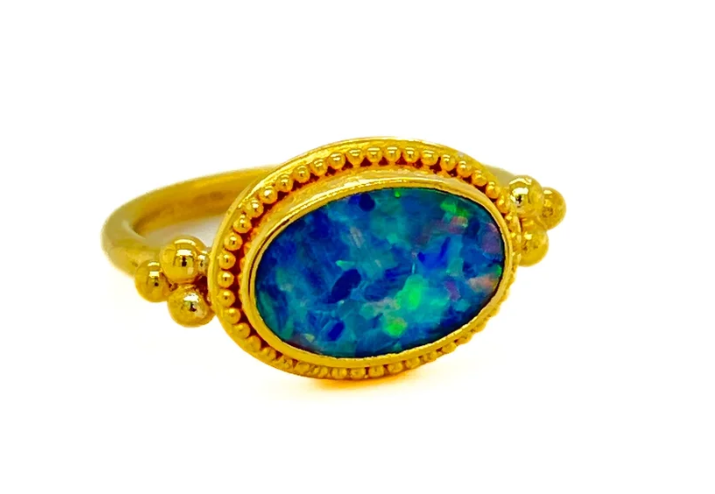
Why Is Gold Granulation Jewelry Considered a Rare Art Form?
Because gold granulation is an ancient technique for creating fine jewelry, many people consider it a rare art form. By soldering small gold granules together, this technique adds texture, dimension, and beauty to jewelry and creates wearable art.
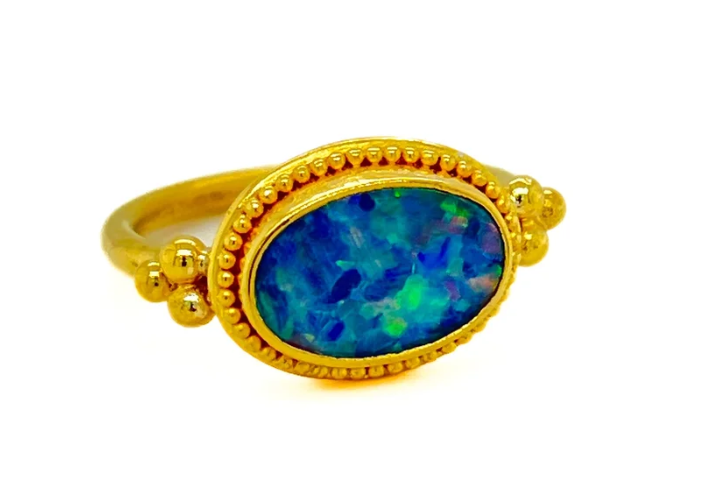
Because gold granulation is an ancient technique for creating fine jewelry, many people consider it a rare art form. By soldering small gold granules together, this technique adds texture, dimension, and beauty to jewelry and creates wearable art.
Luna Felix Goldsmith specializes in creating custom-designed gold granulation jewelry for rings, earrings, pendants, and other types of fine jewelry. To create custom-designed granulation jewelry, contact Luna Felix, one of Santa Fe, NM's top custom jewelry makers and designers.
Call our Santa Fe jewelry store, located at 116 W San Francisco St # 208, Santa Fe, NM 87501, Monday through Saturday, 10:00 AM to 4:00 PM, at 505-989-7679 to set up an appointment to meet with Luna!
The Origins of Gold Granulation
Gold granulation is an ancient technique with roots in Sumer (Mesopotamia), around 2500 BCE. Jewelry artisans from this civilization were able to create elaborate, stunning jewelry that continues to amaze today’s fine jewelry artisans.
Gold granulation was also used in the creation of many forms of beautiful handmade jewelry by the Egyptians, including necklaces, brooches, and earrings. In addition to the beautiful designs and workmanship, many of these pieces of jewelry were created with great detail and had religious symbolism (such as the Eye of Horus).
As time passed, other cultures embraced gold granulation and adapted it into their own traditional jewelry making techniques. In particular, the Etruscans (the dominant civilization in Italy between the 8th century and 3rd century BCE) incorporated gold granulation into their jewelry, which often used geometric patterns, floral patterns, and animal figures.
Gold granulated jewelry throughout Etruscan civilization was viewed not only as decorative but also as a representation of an individual’s rank and spiritual beliefs — the Etruscans believed in the power of destiny and in an active divine influence on all things.
How Does Gold Granulation Work?
Creating granulated jewelry is a highly skilled and time-consuming process. The first step in creating granulated jewelry is to lay out the small gold beads (granules) onto the surface of the jewelry in an intricate fashion.
To make granulation, jewelers use specialized tools and techniques. Jewelers typically use tools, such as tweezers, pliers, and small hammers, to place and arrange the granules on the surface of the piece.
To attach the granules, heat is applied to them using methods such as torching or laser fusion. Historically, a jeweler would fuse the granules by using copper salts as a bonding agent (copper salts melt at a temperature lower than gold), which allowed the granules to attach to the surface without fully melting.
Many modern-day goldsmiths now use soldering as a method to attach the granules, or use more precise temperature control to fuse the granules onto the surface of the piece. Traditionally, goldsmiths obtain granules of gold by cutting small pieces of thin wire and then heating them until they form spheres.
When finished with the initial design, goldsmiths then fuse the granules to the surface of the piece, following the design they created.
Gold Granulation as Compared to Milgrain
Gold granulation and hand milgrain are both techniques that were developed and used by artisans thousands of years ago, yet these two techniques are very different from one another. Artisans who created granulation placed tiny beads of metal (most commonly gold) on the surface of the piece of jewelry in order to create intricate patterns and designs.
The beads were attached to the surface of the jewelry using either heat or a bonding agent, and could cover a large portion of the surface area (attachment of the beads to the surface is typically done with very precise control of the amount of heat applied).
In contrast, hand milgrain is a technique used to create small bumps of metal along the edges of a piece of jewelry. The goldsmith uses either a small tool or engraving to create the tiny, evenly spaced bumps of metal along the edges of the piece of jewelry.
The term "milgrain" (literally meaning "a thousand grains") was first used in the early 20th century during the Edwardian and Art Deco periods. Milgrain is usually used when décorating the edges of a piece of jewelry in order to add a delicate and refined edge, enhancing the elegance of the piece without distracting from the focal point of the piece.
Thus, while both techniques are very unique in appearance, granulation adds texture and often complexity to a piece of jewelry, while milgrain technique enhances the lines and curves of a piece of jewelry.
Example of a German Ottonian Ring, 10th Century © The Metropolitan Museum of Art.
Characteristics of Gold Granulation Designs
Gold granulated jewelry from ancient Etruscan culture frequently contains geometrically arranged patterns with tiny equally spaced beads, creating intricate designs and textures for the finished piece of jewelry. Gold granulated jewelry from ancient Egyptian culture frequently uses natural patterns of flowers and stars, and uses other natural materials (i.e., lapis lazuli and turquoise) to create a contrast against the gold granules used in the design.
Gold granulated jewelry from ancient Greco-Roman cultures was influenced by earlier cultures, yet typically used more simple and refined designs (i.e., only small sections of each piece were designed with granules) than gold granulated jewelry of the Etruscan or Egyptian cultures. Typically, goldsmiths would use a few granulated beads to create contrast against the rest of the surface of a piece of jewelry.
Throughout history, gold artisans in India and the Islamic cultures combined granulation with other forms of delicate metal fabricating (filigree). Indian jewelry created with granulation represents a fluidity and lightness in appearance and is typically created or embellished with ornate and delicate work designed to reflect light and create the appearance of shimmer.
Modern goldsmiths are combining ancient techniques of making jewelry using gold granulation with modern technology to create unique pieces, including using old-fashioned methods (i.e., hand-fusing granulated beads without using solder) and using cutting-edge technology (laser) to improve the accuracy and precision of their work.
Goldsmiths have also created unique and different styles of jewelry in the modern world through the application of texture and light, as well as minimalist styles of jewelry using only a few granules of gold to create a subtle, yet beautiful, finished jewelry design.
Timeless Value of Gold Granulated Jewelry
Just as with fine jewelry with hand engraving, milgrain, and filigree, gold granulated jewelry is equally coveted based on the artistic beauty and the time and craftsmanship required to create each piece of jewelry. Each piece of gold granulated jewelry has some historical significance, which further enhances the value of gold granulated jewelry.
Luna Felix is a custom goldsmith and the owner of the Luna Felix Goldsmith jewelry store located at 116 W San Francisco St # 208, Santa Fe, NM 87501. If you have antique gold granulated jewelry that you wish to sell, or you would like to create custom gold granulated jewelry, please contact us to set up an appointment to visit the Luna Felix Goldsmith boutique jewelry store at 116 West San Francisco St, Santa Fe, NM 87501.
You can call us at 505-989-7679 to schedule an appointment with Luna or leave a message in our voicemail. We will contact you shortly! You can also contact us via e-mail using the contact form below.
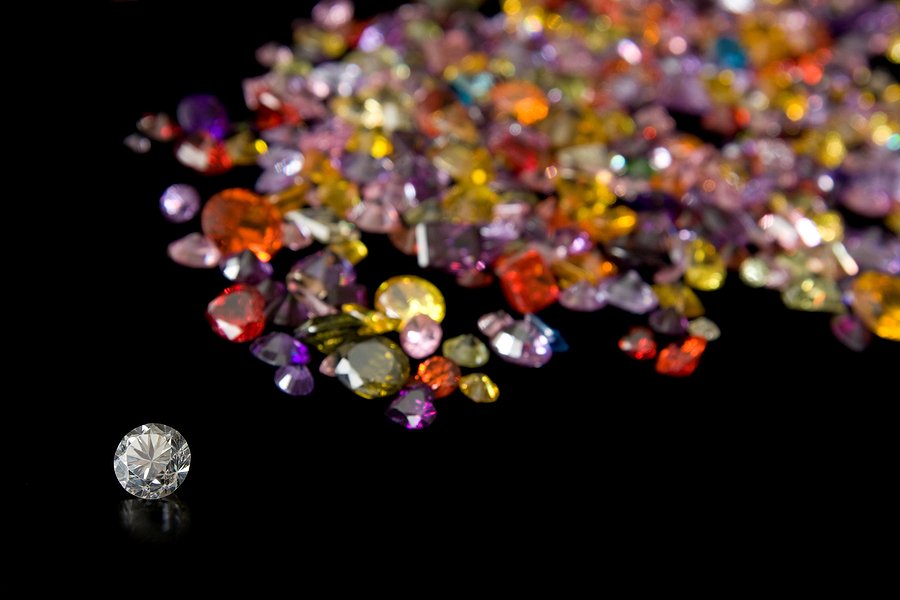
Why Are Natural Gemstones Still So Popular in Fine Jewelry?
Natural gemstones have long been appreciated and valued by the royal house, collectors and jewelry aficionados as symbols of status, craftsmanship and confirming their authenticity. Their value and connection to one's family and culture demonstrate their importance to an individual and how they continue to be timeless products.
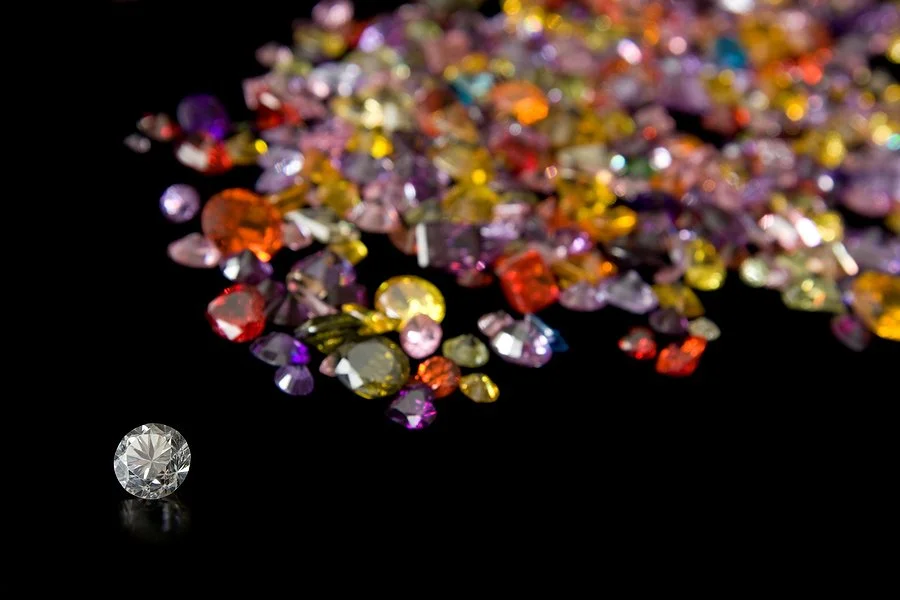
Why Are Natural Gemstones Still So Popular in Fine Jewelry
The beauty of natural gemstones is remains at the heart of fine jewelry, artisan craftsmanship and global history. They are the only type of gem that can be produced by nature; all others, produced in laboratories, only look natural but do not compare to theirs in the way of being collectible or authentic.
Natural gemstones have continued to hold their beauty through time. They have crossed all trends, cultures and generations. Their ongoing appeal and consistency of beauty is based on their authenticity, rarity and historic reference and they cannot be replaced by laboratory sourced materials.
Natural stones reflect the beauty of the Earth's creation, shaped by natural forces and millions of years of time. No two stones are the same; every stone is uniquely defined by geology. Natural stones also have a defined traceable history, cultural value and symbolic meaning—attributes that give natural gemstones their prestige and emotional attachment that is lacking from lab-produced products.
Natural gemstones have long been appreciated and valued by the royal house, collectors and jewelry aficionados as symbols of status, craftsmanship and confirming their authenticity. Their value and connection to one's family and culture demonstrate their importance to an individual and how they continue to be timeless products.
While lab-created stones may have made them more affordable than natural gemstones, they have lost the rarity, natural flaws and organic way they were created: therefore they will never be considered as fine jewelry by educated consumers, investors or those creating a natural legacy.
The natural gemstone will always represent perfect, natural creations and will continue to be considered the very essence of luxury and fine craftsmanship, maintaining the bond between the earth and those who love them.
Reasons for Continued Popularity
Authenticity—Stones formed by nature and time
Natural gemstones were created by nature over literally millions of years—not by humans in a laboratory. Their unique origin from the earth makes them desirable and highlight the earth's true beauty.
Heritage—Historic significance of the stones
Natural gemstones can be traced back through time—from being owned by kings to having been used by royalty, by people of historic and legendary significance and by ancient cultures. This historic connection, along with their emotional, as well as cultural connections, provide value to the stones that lab-produced stones simply cannot replicate.
Rarity—The true aspect of a gemstone
Rarity adds a tremendous value to each stone. Every naturally formed gemstone is a one-of-a-kind creation and therefore will always be unique—however, lab-produced gemstones are identical and can virtually be produced indefinitely, allowing for no exclusivity.
Long-Term Value—Daily Investment
Natural gemstones are a proven long-term investment. Natural gemstones continue to appreciate in value—due to their limited supply and high global demand. The market value of natural gemstones remains stable—making them the best choice for the long-term investor.
The Beauty of Nature—Natural Inclusions
The subtle characteristics of natural gemstones including minor inclusions and slight variations in color, shape and surface texture add to the uniqueness of the stones and represent their unique identity and beauty.
Emotional/Symbolic Connection—Natural Gemstone Heritage
Natural gemstones are increasingly viewed as an element of tradition in your family. Many families pass down their stones from generation to generation, making the sentimental value of their stones even greater than the value derived from their actual market price.
Reasons for Authenticity
The major difference between natural and lab-created stones is their origins (how they were created). Natural gemstones are created through the long, and slow geological processes of the earth under tremendous heat and pressure. Although lab-created stones will continue to be created in factories through replication, lab-created gemstones will never be able to replicate the true characteristics of a naturally formed stone.
Rarity—Unique Geologic Phenomenon: All natural gemstones are finite; therefore, each gemstone is an exceptionally one-of-a-kind treasure. This limited supply and rarity delineate the future marketplace in value.
Unique Inclusions (i.e., crystal fingerprints): Within each natural gemstone there exist imperfections or subtle inclusions—the natural fingerprint of the stone. These imperfections are evidence of the stone's chaotic formation and are therefore characteristics prized by true connoisseurs. In contrast, lab-created stones tend to be too perfect, removing the natural, individualistic beauty of the stone.
Provenance/Certification of Natural Gemstones. Leading gemological laboratories (i.e., GIA, AGS) offer provenance/ certification for natural gemstones traceable origins which contribute to consumer confidence that the stone will hold its long-term investment value.
Historic Connections/Heritage of Natural Stones
Natural gemstones exist as a component of human history, culture and art. The bond between people and natural gemstones cannot be replicated by lab-created stones.
Symbol of Family Legacy. Natural gemstones have symbolized power, status, love and commitment since ancient times and will never change—once again, establishing an ongoing, multi-generational legacy.
The Journey of Natural Stones. By following a natural stone (from being mined to being cut and set into a fine piece of jewelry), you gain a unique perspective on the struggle between humanity and the natural world—the creation of a unique historical moment.
Emotional Value. Buying a natural gemstone is a purchase of a piece of earth’s history providing wearers with an emotional and tangible bond with nature and geologic time that synthetic-made products cannot match.
Investment-Worthy of Natural Stones
Natural gemstones have been consistently referenced as superior stores of wealth and as appreciating assets—especially the finest quality and largest stones.
The industry is undergoing a major change to promote fair trade gems and creating ethical and sustainable mining practices to ensure the legacy of the stone is not hindered by such unethical labor and environmental degradation—but will provide a healthy alternative to the "ethics" arguments that are applied to lab-created stones.
Timeless Style Is Based on Provenance
Within the luxury market for fine jewelry, its timelessness is based on a sense of exclusivity of fine jewelry; exclusively made with natural gemstones will always have timeless appeal because they have an unchangingly authentic source. Natural gemstones represent unique pieces of earth’s beauty and represent an emotional connection to family and culture.
In addition to being leading-edge fashion accessories, natural gemstones are also precious natural heirlooms representing an ongoing commitment to value for generations to come. Promoting natural gemstones means promoting true luxury—valuing truly rare and natural treasures.
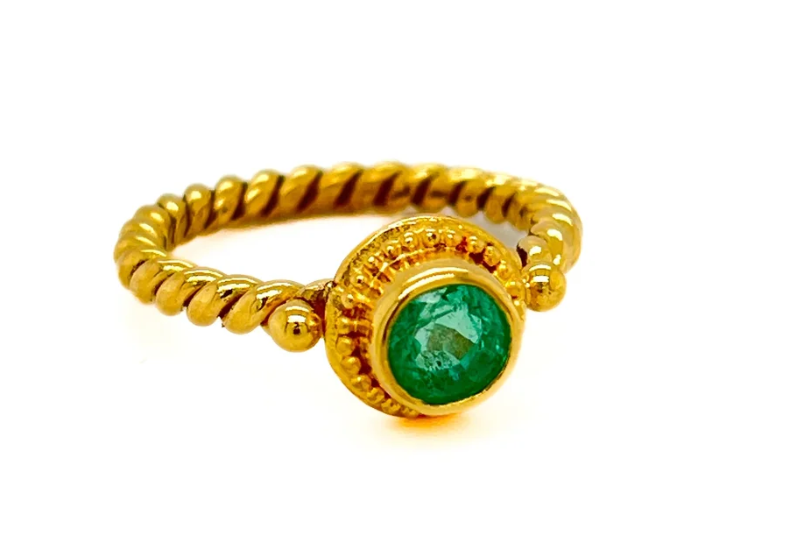
What Are the Best Ways to Protect and Preserve Valuable Jewelry?
Jewelry is not merely an accessory and a statement piece, it is part of our heritage and has intrinsic and sentimental value. When we choose to purchase jewelry, we must focus on protecting our possessions.
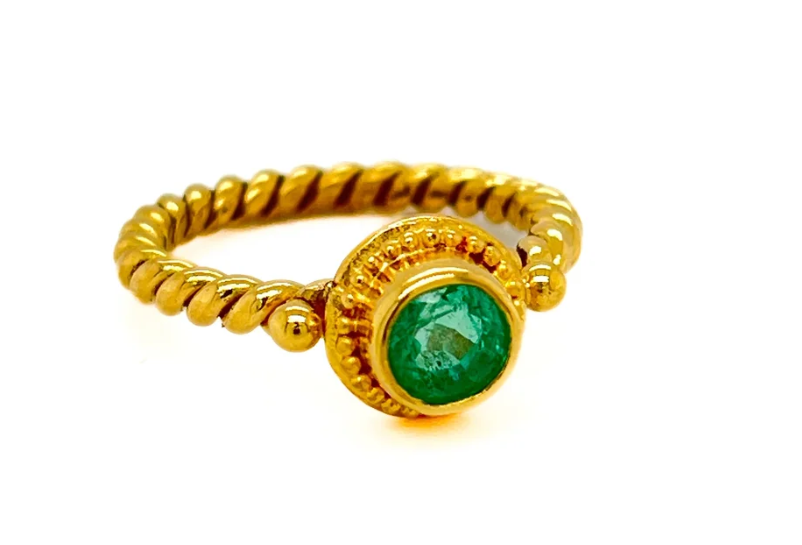
Jewelry is not merely an accessory and a statement piece, it is part of our heritage and has intrinsic and sentimental value. When we choose to purchase jewelry, we must focus on protecting our possessions.
Besides preventing tangling (this is why we need to store our jewelry correctly), we must maintain the beauty and worth of our jewelry collection over time. Let's see 5 critical methods for keeping your precious jewelry items securely stored!
Keep Your Jewelry Organized
By having an organized method of storing your items, you can minimize the threat of scratching, tarnishing, or accident damage when storing them all together. To begin, separate your jewelry pieces by type, so the chains (possibly knotting) will not come in contact with one another; and the stones may not potentially scratch one another.
In addition to type, sort by material (i.e., gold, silver, platinum) and organize accordingly. By doing so, you reduce the risk for any metals reacting with one another, thus causing damage; in addition to making it easier and quicker to locate your jewelry once you are ready to wear it.
Use Jewelry Cases or Bags
After organizing your jewelry, the next step is to put them away in a proper storage container. Doing so will help you avoid the temptation to mix your jewelry collection in 1 drawer, as this will promote introducing tangles and confusion with your jewelry collection.
Dedicated jewelry storage containers like boxes and bags lined with soft cloth will keep your pieces separated to help prevent tangling and prevent any potential damage from dirt; and help maintain their original shine to reduce any visible wear or tear on your precious jewelry.
Avoid Exposure to Humidity & Sunlight
Humidity and sunlight are 2 of the most damaging environmental factors affecting jewelry. Over time, humidity can result in the tarnishing of some metals; and some stones will be discolored by exposure to humidity. Additionally, colored stones and pearls are subject to fading over time if exposed to sunlight. Bathrooms and direct sunlight will not be appropriate areas to store your jewelry; so, find an environment that is cool, dry, and slightly dark; with the best additional protection of a fabric cover.
Utilize Security with Locks & Breastplates
When we think of securing our jewelry, we automatically think of preventing theft, but we must also consider using security such as lockable jewelry storage to help ensure that we do not accidentally spill, misplace or lose our items. Therefore, a minor financial commitment in the form of a jewelry box with a lock and key, or a durable piece of luggage designed to store jewelry will help you sleep more soundly knowing your most precious jewelry will be safe.
Maintain and Clean Your Jewelry Regularly
Although proper storage is extremely important, another equally important consideration is to regularly clean your jewelry. Dust and oil from your hands can build up on your jewelry, and this build-up will eventually cause your jewelry metal or stone to lose its luster. After every time you wear each piece of jewelry, wipe it with a soft, non-abrasive cloth to keep them shiny.
If you would like a deeper cleaning of your jewelry pieces, consider using warm water mixed with a small amount of a mild detergent; you can safely use a toothbrush to clean the intricate areas on your jewelry that can be exposed to dirt. After cleaning your jewelry with water, remember to dry them completely before putting them back in their storage.
Takeaway
Good storage practices are your jewelry’s best friend for longevity. By being diligent about practicing these 5 safe jewelry storage methods on your jewelry, you’re not just keeping your jewelry collection neat, clean and organized; you are showing your love to, and investment in, your jewelry piece-by-piece.
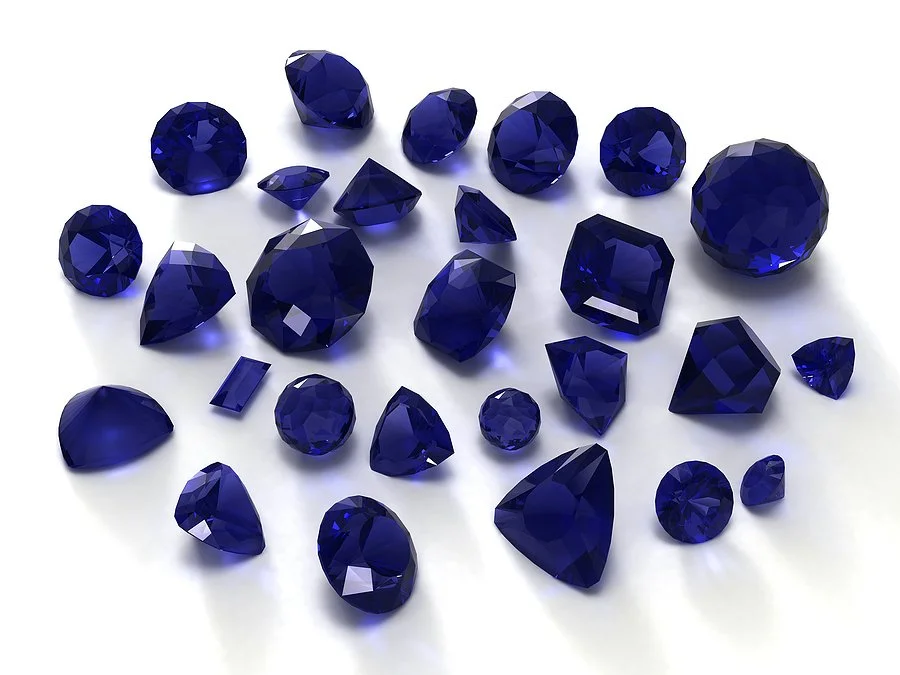
What is the Origin of the Precious Gemstone Sapphire?
Although no one knows for certain, scientifically or otherwise, how long-ago Sapphire gemstones formed, we do know that sapphires found today formed approximately 150 – 200 million years ago. Where sapphires are found today gives us clues and indications to where and how they formed as jewelry worn by people around the world.
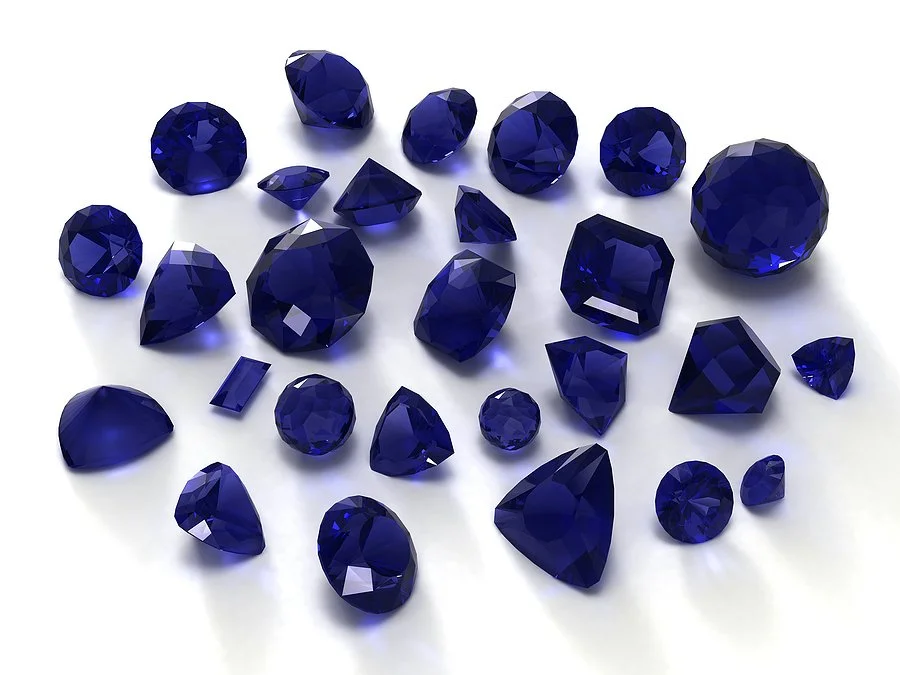
Although no one knows for certain, scientifically or otherwise, how long-ago Sapphire gemstones formed, we do know that sapphires found today formed approximately 150 – 200 million years ago. Where sapphires are found today gives us clues and indications to where and how they formed as jewelry worn by people around the world.
Historical Facts About Sapphire
The word Sapphire derives from the Greek word “Sapphires”, meaning blue. Blue is the color of Sapphire gemstones most commonly found in jewelry. The colors range from pale ice blue to a deep vivid cobalt blue, but did you know that Sapphires also come in other colors?
Blue Sapphire is just the most desired variation of the mineral Corundum. Sapphire also comes in orange-pink, golden, white, and yes even black. Sapphire in its natural crystal form is known as a trigonal (3-sided prisms).
Take a look at this interesting Sapphire variation with Rutile (source form of titanium) intrusions within the crystal. This causes the light to refract or bounce off in what is called a six-point star. A stone like this is referred to as a Star Sapphire.
This Star effect is also known as Asterism and is considered a less desirable (impure) form of Sapphire.
All colors of the transparent variety of mineral Corundum are known as Sapphire. Large deposits of quality sapphires are only found in a few countries throughout the world. Mainly located in southern Asia and eastern Africa. The islands of Sri Lanka (also known as Ceylon) and Madagascar produce the majority of quality sapphires in the world.
How are Sapphire Gemstones Formed?
Where did Sapphire Gemstones come from? What happened inside the earth to create these beautiful gems and bring them closer to the surface? That answer varies from country to country, but the process is the same.
Sometime in ancient world millions of years ago source rocks deep within the earth were put under tremendous pressures, with intense high temperatures. This caused the atoms in the rock to break down and recombine into new metamorphic rocks (changed from its original form). The new metamorphic rock included gems such as Rubies and Sapphire (Corundum).
How do sapphires form in nature?
In each country, this process can vary slightly. Some Sapphires are formed inside high-grade metamorphic rocks and igneous rocks know as gneisses and granulites. Locations of these types of rocks are found in Australia, Sri-Lanka, India, Madagascar and Eastern Africa.
Most Sapphires formed between 6–18 miles down into the earth’s crust. The immense pressures from above, and high temperature above 800 degrees Fahrenheit changed sedimentary (“layered water deposited” rocks). Examples of these rocks are Siltstone and Shale.
Geological Formation Process
Sapphires are formed by the movement of our planet. Earthquakes, lava flows, mountains being formed, volcanic eruptions, you name it. All these cause shifts in the earth’s crust.
Sapphire Gemstones are formed by certain movements of heat and pressure and are found in both metamorphic and igneous rocks. Rocks that have Sapphires in them are granite, schist, gneiss, nepheline syenite to name a few.
They are also found in deposits of alluvium.
When Sapphire crystals form in nature they are Hexagonal in shape and are known (collectively) as Corundum.
The hardness of a Sapphire is second only to diamonds which makes them extremely prized.
Coloration
Corundum comes in every color of the rainbow; however, when it is not red it is called Sapphire. Red Corundum is called Ruby.
During the formation of Corundum mineral, what color minerals were present during the formation process determine what color the Sapphire will be.
Iron present during formation can create green or yellow Sapphires. Vanadium can cause purple Sapphires to form.
The most precious Sapphires are blue which is created when titanium is present during formation.
Lab Created Sapphire Gemstones
Since the advancement of science and technology, ways have been created to grow Sapphire crystals in a lab. The first process was created in 1902. It consisted of adding alumina powder to an oxyhydrogen flame which was pointed downward.
As this burned, alumina would slowly build up in what is known as a boule (teardrop shape). During this process certain chemicals can be added to create Sapphires of different colors and Ruby’s (red Sapphires).
Although there are many ways created since the early 1900’s to make lab-created gemstones. It was these man-made sapphire gemstones that allowed the use of this stone for technological advancements such as.
Appearance & Characteristics of Sapphires
Now that we know the history of Sapphire and how they are formed let’s learn about the stone itself. If you are just getting interest in sapphires or are planning to buy a Sapphire from Opals Down Under (we only stock Australian Sapphires). This section will teach you everything you need to know about these beautiful treasures.
What is a Sapphire Crystal?
Sapphire Crystal is scientifically known as Corundum. A sapphire is an Aluminum Oxide mineral composition (Al2O3).
Its crystal structure is Hexagonal.
All colors of Corundum are referred to by that color followed by the word Sapphire.
Blue Corundum= Blue Sapphire, Pink Corundum= Pink Sapphire
Tiny amounts of mineral within the crystal give it color (refer to each color Sapphire for more details).
Hardness Scale
Corundum is the second hardest mineral on earth. The only mineral that is harder than Corundum is diamonds.
Sapphires are a 9 on the Mohs hardness scale. The Mohs hardness scale was created in 1812 by Friedrich Mohs. It has been a great tool to help identify minerals.
Let’s look at the ten levels of hardness on the Mohs scale:
1.Talc (chalk)
2.Gypsum
3.Calcite
4.Fluorite
5.Apatite
6.Feldspar
7.Opal
8.Quartz (Amethyst, Citrine)
9.Topaz (Precious Topaz, Blue topaz)
10. Corundum (Sapphire)
The MOHS hardness scale does not go beyond the level 10 because diamond is the hardest mineral.
Keep in mind the Mohs scale is used as a relative scale. It is not used for fine testing. Since the scale doesn’t go past ten each mineral can use half numbers to determine between hardness.
For example: Sapphire is extremely hard and durable 9/10 on the Mohs scale.
Refractive Index
One way to identify what crystal you have is to use a Refractive index tester. What a refractive index does is measure how a crystal splits the spectrum of light.
Each crystal breaks light differently, and this helps determine what crystal it is.
When you use a refractive index tester on a pink Sapphire, yellow Sapphire or blue Sapphire you will get the same reading.
Color does not matter when using this test. It only measures what crystal it is. The human eye cannot determine what it sees by this reading.
The Refractive index of Corundum (Sapphire) is 1.75 – 1.76
Color
Sapphires come in every color from blue to black to colorless. There are no set rules to what color tone or how bright of a color a sapphire can be.
The way that sapphires come in so many colors are from trace minerals that are inside the crystal of Sapphire.
Inside the crystal there will reflect the color that the minerals show. If there is titanium inside the crystal it will reflect blue light making the gem appear blue.
If there are other minerals such as chromium the sapphire will appear pink.
You could even have a combination of elements that cause a lime green color or maybe even a purplish-blue color. If there were no trace minerals in a chemically pure sapphire it would be colorless.
Mother nature can put whatever she wants in a sapphire which is what makes each one unique. No two sapphires are the same piece of art. Uncommon and rare sapphires are priceless even if it is only 1 or 2 carats.
Size
Sapphires range in size from very tiny to extremely large. Sapphires can be found everyday under 1ct and can be found over 20+cts in quality.
Prices rise tremendously for large diameter stones but these are very rare. Gem quality stones that is. Specimen grade sapphire (aka jumbo coal sized rocks) can be found well over thousands of carats. But these sapphires have no value.
Treated vs. Untreated
This will be explained in very general terms. An untreated sapphire was mined from the ground it originated from and cut to a faceted gemstone.
Nothing was done to change the natural beauty that only nature provided. These stones are extremely rare compared to treated sapphires.
Natural untreated Sapphires are EXTRAORDINARILY rare. Again, no two stones are the same. Due to them being rare finding a unique one is priceless. Even if it is just a 1 or 2 karat stone.
Rarity
Rare means one thing. It can’t be replaced.
If something is rare and there is demand for that something then prices will rise. As more and more people become educated on treated vs natural the market price on untreated sapphires has skyrocketed.
Gem quality sapphires are rare. Take diamonds for example. You can find diamonds in almost every tv commercial by every jewelry store. They are on billboards everywhere and countless websites on the internet.
Production rates and use of diamonds worldwide prove to us that diamonds are far from rare. There is an oversupply of diamonds on the market.
Prices can stay high because of Highly inflated markup and release of diamonds from the suppliers (cartels).
Sapphires are mined yearly in gem bearing countries all around the world. They are mined by traditional hand mining and heavy machine mining.
Even with the heavy production of sapphires the return rate of quality sapphires vs other gems is much lower. For this reason, natural untreated sapphires are a great investment for keeping value or even gaining value.
Natural occurring untreated sapphires have room for growth.
Countries Sapphire’s Come From
Sapphires can be found all over the world. But once again only a few locations provide quality gemstone. After years of studying and traveling to these beautiful locations. We have come to conclusion that the most beautiful Sapphires come from the same countries they have for centuries.
With that being said only a couple new deposits have been found in the past 10 years.
Sri Lanka (Ceylon)
“Australia blows Sri Lanka out of the water” I hear you say. But I promise you Ceylon has only recently changed their name to “Sri Lanka” since they became free from the British.
The number of blue sapphires coming out of Sri Lanka is only matched by Madagascar.
Sapphires from Madagascar are often times lab tested and come back identical to Sri Lankan sapphires.
The tone of color and crystals inside Madagascar sapphires are near impossible to tell from Ceylon sapphires. Pricing for blue sapphires from these two countries are also comparable.
Burma
Burma is another country that has been producing some of the finest blue sapphires for centuries. The main description you will hear about Burmese sapphires are Royal Blue.
They are usually a darker tone of Royal Blue. Gemologists, Jewelers, Auction houses and stone dealers will tell you Burmese sapphires are the best quality sapphires you can buy.
Well, we aren’t taking that statement as fact. Every Sapphire should be graded by its own beauty when you look at it. Burma does produce some amazing stones but not all of them are winners.
They usually produce larger stones but in lower quantities. Larger Burmese sapphires will cost you 50% – 100% more than what you would pay for a Sri Lankan or Madagascar sapphire.
Kashmir Sapphires
The stones that are commonly known as “KASHMIR SAPPHIRES” are discussed in a mythical way. Three men found these sapphires in a very remote area high up in the Himalayan mountains of India late 1800’s.
The stones were of exceptional quality. The terms “Cornflower blue” came from these amazing stones. Cornflower blue is described as “velvety”, “sleepy”. Meaning when you look at the color it has a calming effect.
By the 1920’s the source was completely dried up and no new deposits have been found in the Kashmir area since.
This causes the prices of Kashmir stones to be worth 10 times more than what you would pay for a similar blue sapphire from another country.
Other locations where sapphires are found:
Although Thailand, Tanzania, Australia, Montana (U.S) and Cambodia do produce blue sapphires.
They mostly produce commercial quality stones only meant for jewelry makers. Commercial stones are still 100% real and can be rare and expensive.
Commercial grades from these locations normally have secondary colors and have to be treated (more on that later) to be sold.
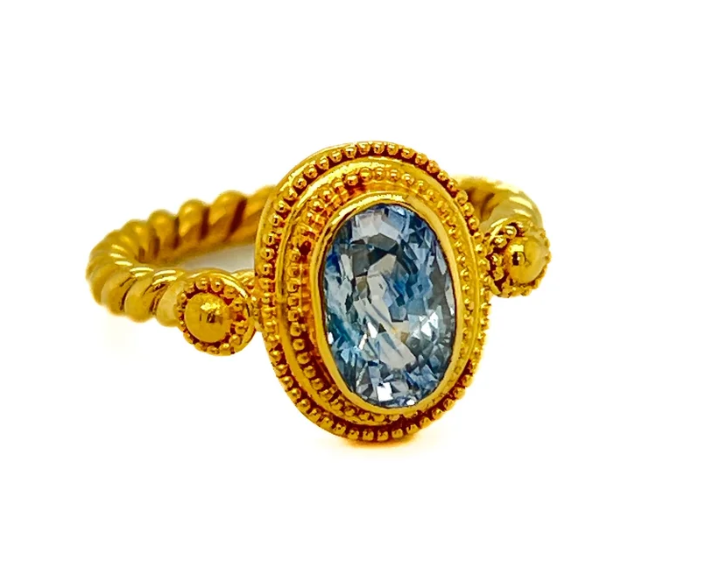
Should I Get a Custom-Made Engagement Ring?
Today, we will cover why buying a custom engagement ring made by a trusted jeweler is best. No matter if you choose a natural diamond or lab-created diamond we will cover three reasons why getting your engagement ring custom made is the way to go

When shopping for an engagement ring, you want the ring you choose to symbolize your love story to be meaningful, high-quality, and unique to you. Because of this, it only makes sense to purchase a custom designed ring.
Today, we will cover why buying a custom engagement ring made by a trusted jeweler is best. No matter if you choose a natural diamond or lab-created diamond we will cover three reasons why getting your engagement ring custom made is the way to go. By the end of this article, you will understand why custom-made jewelry allows for so much beauty, quality, and customization versus ready-made jewelry.
Reason Number ONE: Quality & Diamond Shopping (Natural VS Lab Grown) or Other Quality Gemstones
The number one reason you should get a custom-made engagement ring is that you have more options and confidence when you shop for a diamond. With a custom ring, you have the opportunity to choose the type of diamond or high-quality gemstone you want and where you want it to come from. Let’s take a closer look at the two diamond options.
Natural VS Lab Grown Diamonds
Natural Diamonds are mined from the earth over billions of years. Lab Grown Diamonds on the other hand are grown in a laboratory setting. They both have the exact same chemical makeup and physical appearance.
Pluses of Natural Diamonds:
· Tradition
· Rare
· Natural Symbolism
· Pros to Lab Grown Diamonds:
· Ethically sourced
· Environmentally friendly
On average, these cost about 40% less than natural diamonds for the same quality.
Reason Number TWO: It’s All About YOU!
Have you ever purchased a ring that needed to be sized small or large after you bought it? When you purchase a ring that is not custom made for you, there is a large chance you will need to send it in to be resized. Resizing rings will eventually weaken the ring and lead to an insecure stone, weakened prongs, and metal fatigue.
Not only will your ring not be custom made for your finger, but it will not include any of your personal preferences. Jewelry designers that create custom rings take the time to measure your finger and understand your style.
Let’s take a closer look at how your custom ring will be made to fit you like no other.
Get to Know the Ring Design Process
Once you sit down with your designer to create your custom ring, they will take all of your finger measurements. This info allows the designer to create a ring that will not need any adjustments.
The process to create your custom engagement ring looks like this:
· Sit Down Consultation for Your Ring Design
· Your ring measurement will be taken to ensure great fit.
Your Custom Engagement Ring Design Process
Your ring is built from the ground up with YOUR information. There will be no need for resizing or modifications.
Picture Your Custom-Made Engagement Ring
Communicating your vision to the designer is key when making your ring. At Luna Felix, we allow you to see your ring design every step of the way. Typical visualizations include:
· Hand Sketches
· 3D renderings (some custom jewelers offer this)
· A 3d printed wax resin model of your ring. (If your jeweler manufactures its custom rings this way)
This allows you to see the exact ring you will be receiving before it’s built. Ensuring you are 100% happy with your ring’s appearance.
Reason NUMBER THREE: Expert Craftsmanship and Diamond Knowledge
When you work with an expert jeweler, you can rest easily knowing your ring is in good hands. Not only will you be working with someone that knows how to build a quality ring that will stand up to daily wear, but you also will have someone by your side that knows diamonds.
Benefits of Custom Design Professional Jewelers:
You know your ring will be of high quality. Jewelry built by expert craftsmen has a much lower risk of needing repairs or causing issues.
It’s built to last. Experts know how to build a ring that can handle life’s adventures.
Your ring is built with a artist’s touch. A professional jewelry designer can take your idea and make it a reality with their skills.
Knowing Diamonds
Just like with any product you buy, it’s always best to deal with someone who knows what they’re talking about. When it comes to diamonds, there are certain aspects that are looked at to determine how brilliant they are. When you work with a jeweler that knows diamonds, you can be sure you are getting the best bang for your buck.
The best jewelry makers have visited diamond cutting facilities, diamond mines, and certification labs around the world. They have acquired this knowledge and use it to educate clients on the differences in diamonds.
Why Custom Engagement Rings Are Worth It
Here’s a quick breakdown of why custom engagement rings are worth the investment:
· They will save you money.
· Since your ring won’t need to be resized or fixed, you save money in the long run.
· The ring has meaning.
· Every part of your ring is symbolic and tells a story about you as a couple.
· You are 100% happy with your ring.
· The ring you receive will be built to your specific preferences and you will love it for the rest of your life.
Misconceptions about Custom Rings
Misconception NUMBER ONE: They are too expensive
Truth: You can buy a custom ring at any price range. If you are looking to save money, consider lab grown diamonds or non-traditional metals.
Misconception NUMBER TWO: It’s a difficult process
Truth: Custom jewelers walk you through every step of the process. There is nothing to stress about, in fact it’s quite simple and fun.
Misconception NUMBER THREE: They take too long
Truth: With new technology, many custom jewelers can make your ring in a timely fashion.
Final Custom Engagement Ring Thoughts
Allow us to create the ring of your dreams. Luna Felix Goldsmith is one of the few custom jewelers in the country that makes rings using the gold granulation method. Our work is stunning and we are confident you will be happy with the result when you see what we will do for you. At Luna Felix Goldsmith, we offer free ring consultations, educate our clients on diamonds, and provide you with years of maintenance for free. Contact us today to start the process of creating your perfect ring.
Design Your Dream Custom Engagement Ring
Let’s create your dream ring together. At Luna Felix Goldsmith in Santa Fe, NM we offer free consultations to discuss your design. We want you to be 100% confident in your ring selection and feel that by providing education on diamonds and jewelry, we can help you make the best decision when choosing your rings.
Contact us today at 505-989-7679 to learn more about our custom ring design services and visit our store to see wedding rings we have created in the past.

What’s the Right Amount to Spend on Groomsmen Gifts?
Just remember, there is no right or wrong answer when it comes to spending money on groomsmen’s gifts. Every couple and groomsmen are different

Welcome to everything you ever wanted to know about gift budgets for groomsmen. Asking someone to stand beside you during your wedding ceremony is a big honor—and you should be sure to get them a gift to show your appreciation. But what’s an appropriate amount to spend on a groomsmen’s gift?
Figuring out how much money to spend on groomsmen’s gifts can be tricky. There are several different things you’ll want to take into account when setting a budget, like how much your groomsmen are spending on your wedding and how much your spouse-to-be is spending on his or her gifts.
A typical groom will spend anywhere from $30 to $100 on each of his groomsmen’s gifts. However, of course, more can be (and is) spent. Remember, there is no set-in-stone budget. Feel free to spend less or more if your budget allows.
The main thing to remember is that you want to get your groomsmen a gift that they will appreciate. Whether you spend nothing because you made it yourself or $1000, your groomsmen will appreciate the gesture of you thanking them for standing beside you on your wedding day.
When you ask someone to be part of your wedding party, you ask them to do more than just stand beside you on your wedding day. You’re asking them to participate in the wedding process and help you prepare for your big day. Maybe they help you plan your bachelor party or are there to support you when you pick out the perfect suit.
When somebody does something like this for you, you want to show them how grateful you are. What better way to do that than with a groomsmen gift?
Wedding party gifts are a great way to show your gratitude to each one of your groomsmen for participating in your wedding. But how much should you spend on gifts? How much of your wedding budget should you allot to each of your groomsmen’s gifts?
Do You Have to Give Your Groomsmen Gifts?
First things first, no you don’t have to give your groomsmen gifts. However, it is a great way to show your appreciation. Becoming someone’s groomsman can come with responsibilities and costs. From attending a bachelor’s party to purchasing a new suit for the wedding, your groomsmen are spending money and time to be part of your big day.
So, while you don’t have to give your groomsmen a gift, it is certainly nice to do. If your budget is limited, that’s okay! Groomsmen’s gifts can range from $0 to thousands of dollars. What matters most is that you put thought into the gift you give.
What To Consider When Setting A Gift Budget
The amount that you spend on each of your groomsmen gifts will vary from couple to couple. When it comes to deciding how much you should spend on groomsmen’s gifts, keep these things in mind:
How much are your groomsmen spending on the wedding? If your groomsmen are spending hundreds of dollars on a new suit, your bachelor party, and traveling shenanigans, you should plan to reciprocate and spend money on their gift. If you’re asking your groomsmen to spend anywhere from $500-$1,000 on your wedding, you should spend about 10-15% of that on their gift. However, if your groomsmen are low-key and aren’t spending money on your wedding, you don’t need to stress about spending money on a gift.
How hands-on are you making your groomsmen with wedding planning? Some groomsmen are super involved with the entire wedding planning process. If your groomsmen is helping you pick out venues, plan the bachelor party, and decide on your wedding style, make sure his gift shows that he spent time and effort helping you.
What’s your partner spending on his/her wedding party? If you and your significant other are buying gifts for your respective wedding parties, you should discuss how much you’re planning to spend. Let’s say that your partner is spending $200 on his or her bridesmaids’ gifts. You may want to spend around $200 on your groomsmen’s gifts as well.
How many groomsmen do you have? If you only have one or two groomsmen, you may be willing to spend more on each gift than if you had to buy ten groomsmen gifts. Consider how many groomsmen you’re purchasing for when determining your budget.
How far did they travel? If your groomsman didn’t have to travel to your wedding, they would likely spend less money than if they traveled from across the world. If your groomsman traveled a long distance to be with you on your wedding day, you may want to spend a little extra on his gift.
How Much Should You Spend on Groomsmen Gifts?
Alright- now that we got all the complicated factors out of the way, how much should you spend on your groomsmen’s gifts? On average, most grooms spend between $30-$100 on each groomsman’s gift. So, if you have five groomsmen, you should spend somewhere between $150 and $500 on gifts. If they spent more, you should spend more on their Groomsmen gifts. Don’t be cheap and do the right thing. After all they are your buddies and you need to show them how much it means to you for them to be there for you.
Consider How Much Your Groomsmen Are Spending
When creating your wedding budget, go into more detail. Instead of knowing how much you want to spend overall, break it down into categories. How much are you willing to spend on the venue? How much will you spend on vendors? How much are you planning to spend on outfits? Include the groomsmen category as well. After spending money on a bachelor party and groomsmen gifts, you’ll want to know how much you’re planning to spend overall. Then, once you determine that, you can easily decide on a budget for groomsmen’s gifts by taking away a percentage of what your groomsmen spent.
Factor In Your Overall Wedding Budget
This tip can be used for any wedding related questions. Before you blow all your money on something, consider your overall budget. It can be easy to get caught up in the moment and buy things you don’t need. If your groomsmen are throwing you an Instagram festive selfie-inspired bachelor party and registering for expensive gifts, don’t feel the need to spend your life savings on a gift. Pay attention to how much you want to spend on groomsmen’s gifts and adhere to your budget.
Final Budgeting Tips for Groomsmen Gifts
Just remember, there is no right or wrong answer when it comes to spending money on groomsmen’s gifts. Every couple and groomsmen are different. Some guys may have spent thousands of dollars participating in your wedding and others are low-key. Also, consider your budget and how much you’re able to spend.
Ultimately, your groomsmen will not care about the price of the gift. They’ll care that you put time and thought into getting them a gift that they will use and enjoy. So, spend whatever amount you’re comfortable with and pick your groomsmen a gift that they will love.
And that’s how much you should spend on groomsmen’s gifts!

How to Pick a Jeweler for Your Custom Engagement Ring
Once you’ve decided you want a custom ring (rather than picking something off the display), the next step can seem daunting: finding that perfect jeweler.

Engagement rings are serious business. For many shoppers they represent the largest and most meaningful purchase of their life. Once you’ve decided you want a custom ring (rather than picking something off the display), the next step can seem daunting: finding that perfect jeweler.
The truth is that going with a custom engagement ring doesn’t have to be complicated, intimidating, or require you to spend every penny you own. A good jeweler will walk you through the process step-by-step, help you turn your ideas into something wearable (and durable! ), and ensure you make informed decisions at every stage. Here’s how to find that jeweler, what to look for, and what to expect when you take the plunge into custom design.
Decoding “Custom” Ring Jewelry
A custom engagement ring is made specifically for you and will typically start with a consultation with a jewelry designer. From choosing finger size and your center stone to metal type and setting style to tiny design details you’ll love, you have control of every element of your ring with input from a professional jeweler.
Contrary to what some may think, custom doesn’t mean expensive or over the top. In fact, many custom rings are quite simple; the difference is that you intend every piece and aren’t paying for someone else’s idea of what will sell to the masses. You’re investing in a ring that’s tailored to your personal style.
Exactly how much you invest in your custom ring can vary significantly based on your choices throughout the design process. It can be as affordable or as expensive as you make it.
Independent Research is Key
There are many ways to find a custom jeweler, but some stand out more than others. It always helps to start with your own independent research. Look online for customer reviews, browse their Facebook page, Instagram feed, and see if they showcase custom designs in their online galleries. Jewelers who pride themselves on custom work will usually highlight it online.
Take note of how well they explain their custom process. If a jeweler makes custom engagement rings regularly, they should have no problem discussing the different stages of design, expected timeframes, and materials used.
Online reviews, such as the one’s you find on Google and Yelp, can be helpful here as well, particularly those that mention custom work. Look for reviewers who mention the jeweler’s communication, if the ring turned out as designed, and how the ring has held up over time.
Local Jewelers vs. Chain Stores
Independent jewelers are usually the go-to for custom engagement rings. Most have in-house designers as well as bench jewelers, allowing for flexibility and open communication.
Chain stores may provide limited customization but generally have systems built around manufacturing sets rings rather than designing one from scratch. If you’re looking for something personalized to your style and taste, you’ll likely have more luck at a local independent jewelry store.
That being said, local doesn’t always mean down the street. With technology today, many incredible custom jewelers work with clients remotely and send sketches, CAD renderings, notifications, and updates via text or email. Location is less important than availability and a well-defined custom process. Several custom jewelers design and manufacture custom engagement rings for people all over the world. It’s completely normal these days with Google Meet and Zoom meetings to discuss a custom engagement ring directly with the custom jeweler in an online meeting.
Consider their Experience Designing Custom Jewelry
Many wonderful jewelers focus exclusively on repair, restructuring, or selling vintage jewelry. But that doesn’t mean they have experience with — or a process for — creating custom engagement rings.
Ideally, you want to work with a jeweler who specializes at least some of the time in custom design. They should be able to explain how your ideas are transformed into sketches and finished products, how to modify designs, and how they set stones to ensure they’re secure.
You also want to make sure their style matches your vision. You won’t likely love every ring they’ve made, but when looking through portfolios make sure you see some styles that catch your eye.
As you interview different jewelers, pay attention to how they handle questions about what works and what doesn’t. A good jeweler will be honest about your design choices and may even recommend you work with someone else if they don’t think you’ll get the ring you envision working with them. Part of their job is balancing aesthetics with security, comfort, and longevity.
Find a Jeweler Who Values Communication
Above all else, your custom ring should be a collaboration between you and your jeweler. Because of this, communication is key. During your initial consultation you should feel comfortable asking questions and giving your opinion. Your jeweler should listen to what you have to say and explain things to you without making you feel ignorant or pressured.
You should feel like you are being educated about the design process, not pushed into buying or designing something that’s outside of your budget or taste. A good jeweler will take your ideas and run with them, making suggestions when you request input but never overtaking the design.
Communicating also extends to things like timeframes and pricing. Custom rings don’t happen overnight, and there will be delays sometimes due to machinery, backup on the bench, or life getting in the way. But you should always know where your ring is in the production process and what will happen next.
Discussing your Custom Engagement Ring Budget
Discussing money is never fun, but it’s part of the custom process. A good jeweler will ask about your budget up front so they know what you’re working with and can design accordingly.
Just because you’re going custom doesn’t mean you have to spend a fortune. In many cases, buying direct from a jeweler will allow you to spend your money more wisely. Instead of overpaying for brand names and diamonds you don’t really care about, you can focus your budget on what matters most to you.
Just as they explain the design process, your jeweler should clearly explain their pricing structure, how making changes affects the final cost, and when you’ll need to make payments. No one likes hidden fees and surprises.
Timeline for your Custom Ring
This brings us to timelines. Custom rings take time, from the consultation to final jewelry cleaning before delivery. The entire process can range from a few weeks to several months depending on the ring you design.
If you have a date in mind for the proposal, be sure to mention that from the start. A reputable jeweler will give you an estimated timeline and stick to it (or explain why it needs to be pushed back). Don’t rush custom work if you can help it. The more time your jeweler has to craft your ring, the less likely mistakes will happen.
Planning ahead will also allow you time to make changes to your design. Most customers opt to change something about the design at least once. This is normal and allows you to really tweak your ring to your exact specifications.
One Last Thing About Choosing a Jeweler for Your Custom Engagement Ring
Finding the right jeweler for your custom engagement ring isn’t about who has the flashiest window. Look past their marketing material and focus on who you’d enjoy working with long-term. The right jeweler will have the skills you need coupled with clear communication, honest advice, and a vested interest in helping you bring your vision to life.
Research jewelers online, take the time to look through everything they’ve posted online, ask lots of questions when you interview them, and don’t be afraid to talk about budget and timelines. You’ll find your custom ring process becomes far less stressful and far more enjoyable.
Remember your ring is meant to be symbolic of your relationship. Not only should it be unique, but it should be meaningful, well crafted, and designed to be worn daily for years to come. Work with a jeweler who makes you feel like part of the process every step of the way, and you’ll end up with a ring you’re proud to wear every single day.