Guide to Cleaning Opals in the Right Way
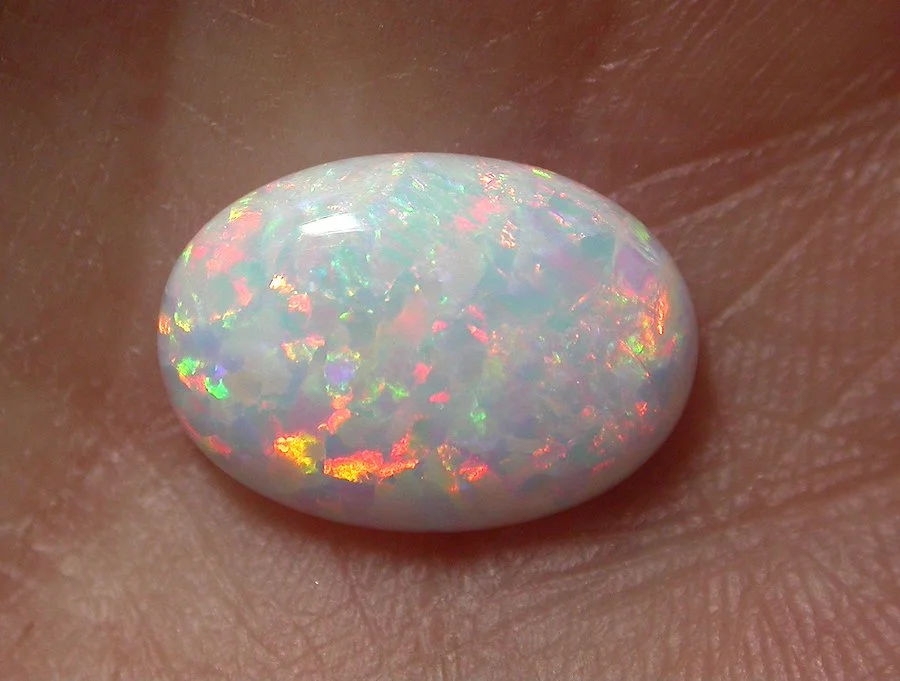
Have you ever noticed the rainbow sparkle opals display? Opal afficianado’s call that phenomenon “play of color”. Opals have this trait because each opal is unique in composition. The downside to this rainbow shimmer is that opals are softer and need more attentive care than your average gemstone. Typical jewelry cleansing techniques may damage opals beyond repair. If you want your opal rings and other opal jewelry to stay dazzling for years to come, you need to learn about opals. There’s a lot to know about properly caring for, protecting, and storing your opals. Follow this handy guide to learn everything you need to know about keeping your opals shiny.
Still wondering why opals need more attentive care than diamonds or sapphires? Here’s the skinny on what makes opals so special and fragile.
Opal Physical & Chemical Properties
Opal has many wonderful features:
· Composition: Opal is a form of hydrated silica, which is basically a jelly turned solid. Translation: it contains water. Typically, 6-10% water, but can range up to 20% water or even as low as 3-21% water, depending on the type of opal and origin. These water molecules allow opal to have its play-of-color. However, because water molecules are present inside the gemstone, opal is sensitive to its environment.
· Hardness: Opals have a hardness of only 5.5-6.5 on the Mohs hardness scale. Diamonds rank a 10, sapphire ranks a 9, and quartz ranks an 8 on the scale. Basically, this means opals can be easily scratched or worn down.
· Structure: Precious opal has a microscopic structure consisting of three-dimensional, disorganized (amorphous) spheres of hydrated silica separated by tiny voids. Amorphous means that it does not have the orderly crystalline structure that other minerals do. When hit, it is more likely to break.
Why Opals Require Special Care
Opals' natural properties make them sensitive to:
· Scratching: Opals, being softer than most stones, can easily be scratched. Really! Even dust can scratch your opal, yep, you read that right. Friction from wiping your opal with the wrong fabric can cause scratches.
· Temperate: Due to the water content inside opals, they don’t handle temperature changes well. If you take your opal from extreme cold into a hot tub or sauna, the sudden increase in heat can cause the water inside the opal to expand. Too rapid an expansion can create small cracks on the surface or inside your opal. This is called “crazing”.
· Dry Out: Opals love their water content and need it to remain intact and to display their play-of-color vividly. If you live in an extremely dry area or subject your opal to too much heat, it can dry out. When opals dry out, they can become crazed and change color or fade.
· Damage: Opal has a toughness rating of “poor to fair.” Meaning it has a high likelihood of chipping or cracking when struck compared to other gemstones. Because opal jewelry (especially engagement rings) is worn daily, it is susceptible to damage from everyday wear and from being struck by objects.
Opal Type = Different Care & Definitions
Not all opals are cared for the same way. The type of opal you own will determine what you should and should not do when caring for your opal.
Solid Opals (Hydrophane & Non-Hydrophane)
Definition: Opals that are cut and polished from a solid piece of naturally occurring opal without any backing. So, these opals are 100% opal. When it comes to caring for your solid opal, there are two different types of solid opals you should be aware of: hydrophane and non-hydrophane opals. *PRO Tip: all opals we use in Luna Felix Goldsmith custom fine jewelry are solid opals. However, we use both hydrophane and non-hydrophane opals; we take extra precautions to ensure your gemstone lasts a lifetime. If the piece is made with hydrophane opal, we will specifically mark the product as “Ethiopian Opal.”
Hydrophane Opal: Includes crystal opal and hydrophane opal. Ethiopia (specifically the Welo region) is the most common source for hydrophane opals. When hydro liquids come into contact with hydrophane opal, it can temporarily become clear or change color. Some color changes can even be permanent if the liquid had impurities. Proceed with extra care when washing or exposing your hydrophane opal to water.
Non-Hydrophane Opal: This category includes white opal, black opal, fire opal, pink opal, etc. You can usually find non-hydrophane opals in Australia, Brazil, and Mexico. Non-hydrophane opals are generally thought to be non-porous and stable. Meaning it will not absorb moisture or any liquids. The water inside these opals is locked in.
Care: Wash non-hydrophane opals in warm soapy water with a soft brush/cloth. Do not use ultrasound or steam cleaners. Put it into a pouch to avoid scratching. If you live in an extremely dry area, you can prevent crazing by sealing your opal with a cotton ball soaked in water.
Hydrophane Opals: Do not come in contact with water or any liquids. Clean with a dry, soft cloth. Store in a dry area, away from humidity and sudden temperature changes. Never wear while washing your hands, swimming, applying lotion, etc.
How to tell the difference: Drop a few drops of water onto your opal. If the water absorbs into the opal, it’s likely hydrophane. When in doubt, always treat your opal like it is hydrophane. Better safe than sorry!
Assembled Opals (Doublets and Triplets):
Doublets: Thin slice of natural/opathetic opal glued onto dark backing material (commonly black onyx, obsidian, or common opal). The purpose of the backing material is to enhance the appearance of the opal’s color.
Triplets: A triplet is the same as a doublet, but with a clear top layer, typically glass or quartz. This top layer protects the opal and helps show off its color.
Features: Assembled opal layers are bonded with water-soluble or partially water-soluble adhesives.
Care: Do NOT soak in water. Extended exposure to water can break down the adhesive, making the layers peel apart. This will cause your opal to look gray, blurry, or cloudy. You should even remove assembled opal jewelry before washing your hands, showering, swimming, or washing dishes.