
When Did Diamonds Become Associated with Engagement Rings?
The first recorded diamond engagement ring was gifted by Archduke Maximillian of Austria to his soon-to-be bride, Mary of Burgundy in 1477. This initiated a vogue for diamond rings among European aristocracy and nobility.
Sentimental Victorians popularized engagement ring designs that mixed diamonds and other gemstones, precious metals, and enamels. They were frequently in flower shapes, and were known as “posey rings.” Edwardian Era Engagement Rings The juxtaposition of diamonds with other precious stones, often set in filigree was a tradition for diamond rings during the Edwardian era.
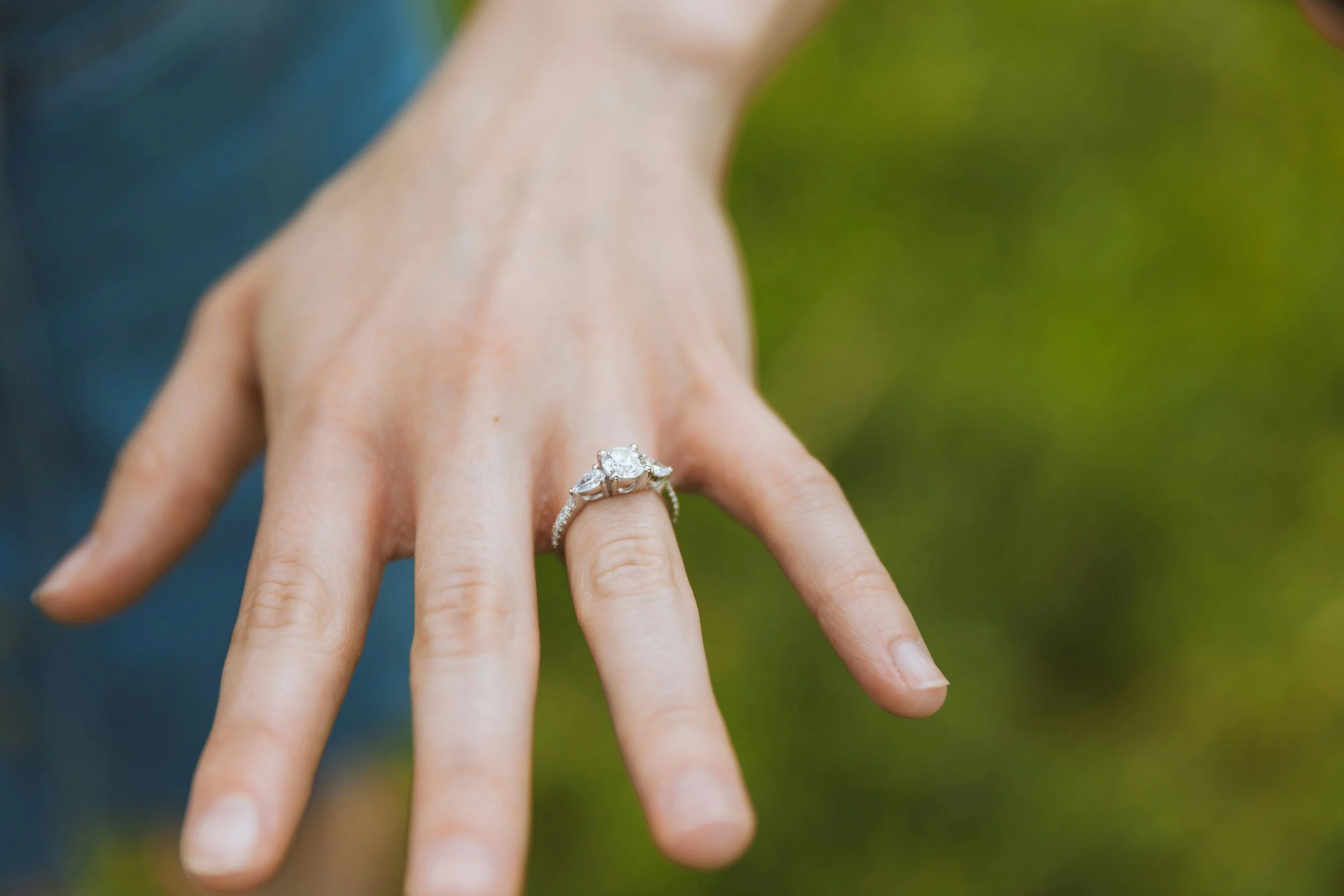
A marriage proposal is accepted when the recipient receives an engagement ring. Anthropologists trace this tradition to a Roman custom in which wives wore rings attached to small keys, indicating their husbands’ ownership.
The Austria Royalty Diamond Engagement Ring Connection
The first recorded diamond engagement ring was gifted by Archduke Maximillian of Austria to his soon-to-be bride, Mary of Burgundy in 1477. This initiated a vogue for diamond rings among European aristocracy and nobility.
Sentimental Victorians popularized engagement ring designs that mixed diamonds and other gemstones, precious metals, and enamels. They were frequently in flower shapes, and were known as “posey rings.” Edwardian Era Engagement Rings The juxtaposition of diamonds with other precious stones, often set in filigree was a tradition for diamond rings during the Edwardian era.
De Beers Connection Diamond Engagement Ring
In 1947, De Beers debuted its now iconic marketing slogal “A Diamond is Forever.” The unbreakable nature of the diamond had symbolism for the American consciousness, forever meaning marriage.
Now, a diamond’s purity and dazzle is emblematic of how deeply two individuals worldwide promise to treasure one another. The DeBeers mines in Africa made diamonds more accessible.
In the 1930s, when demand for diamond rings declined in the U.S. during hard economic times, the De Beers Company began a marketing campaign using photographs of glamorous movie stars swathed in diamonds. Within three years, the sales of diamonds had increased by 50 percent.
It’s still about celebrating a union and preserved memory, but with more cuts come more styles as an easy path for diamond lovers.
The History of Popular Cuts
The round brilliant, made up of 58 facets that divide the stone into a top half and a bottom half, is by far the most popular cut for diamond engagement rings. The princess cut, the emerald cut and the oval cut are a few runners up, with cushion cuts trending all of a sudden.
Are you proposal ready?
Find the perfect proposal tips and more from Luna Felix Jewelry, then when you’re ready, come visit us. When you are ready to make the commitment of your life and prepare for a custom diamond engagement ring, contact Luna Felix jewelry store at 505.470.5611 in Santa Fe New Mexico.
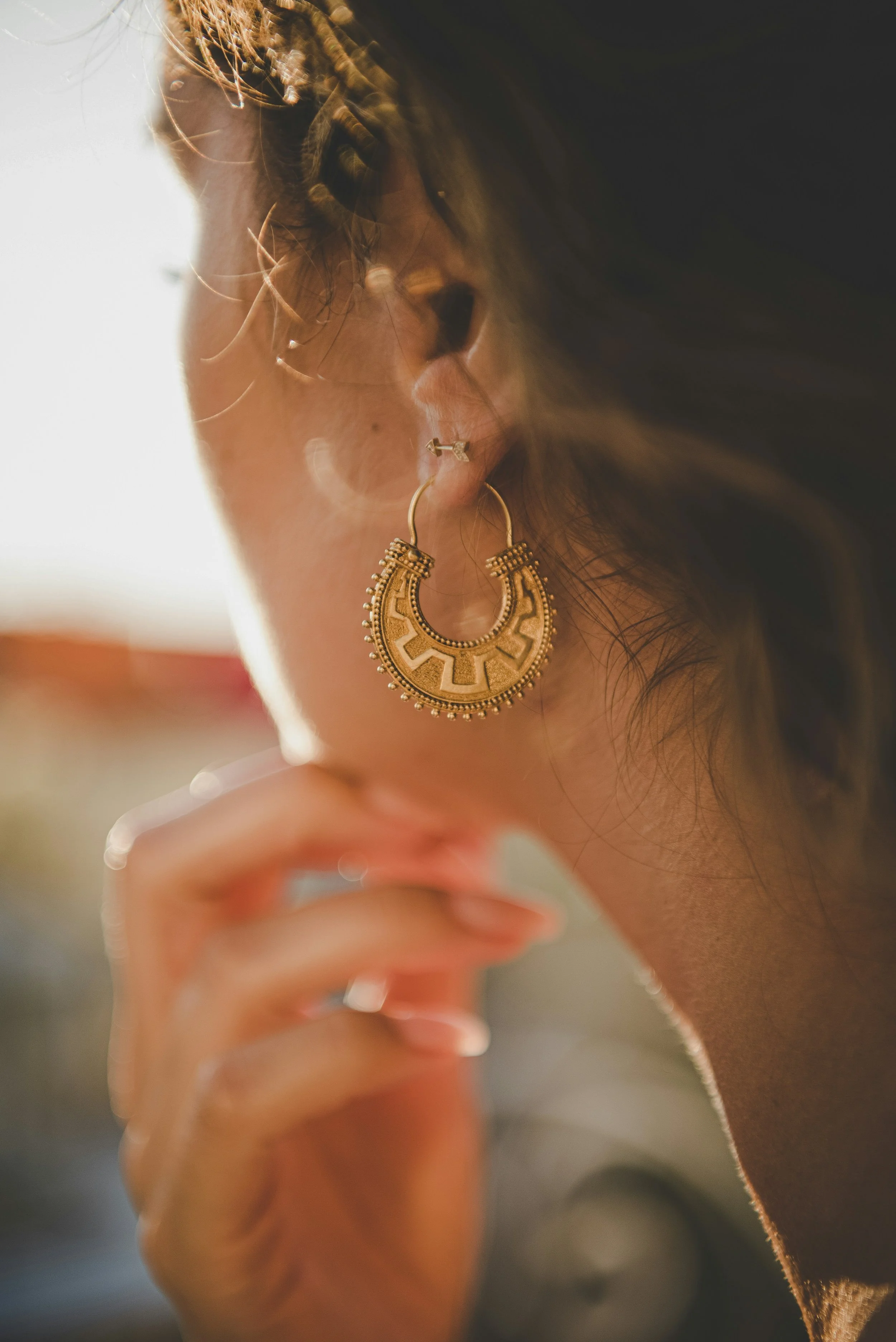
When Were Earrings First Worn in Human History?
Earrings have been worn for thousands of years in many different parts of the world. Ear piercings are among the oldest recorded body modifications in history. Men and women of all social classes have worn earrings by various cultures throughout history.
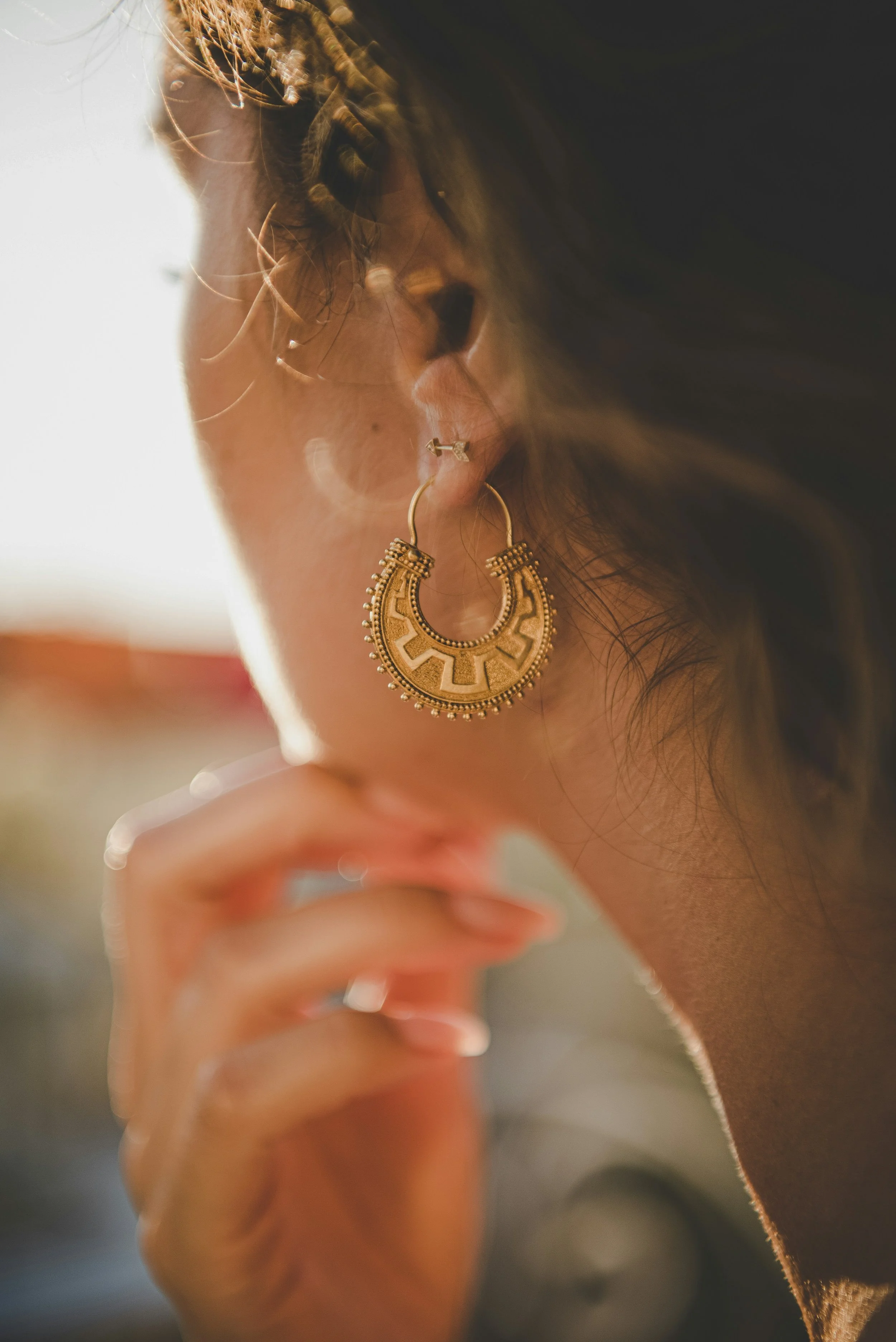
Earrings have been worn for thousands of years in many different parts of the world. Ear piercings are among the oldest recorded body modifications in history. Men and women of all social classes have worn earrings by various cultures throughout history.
Ancient Civilizations
Gold, carnelian, and lapis lazuli are common materials among Sumerian earrings from 2600 BCE, although older examples most certainly exist but have not been preserved.
Earrings made from gold, silver, and bronze can be seen in the Minoan civilization on the island of Crete which was active from 3,000 to 1,100 BCE.
The Aegean, a golden age civilization of Bronze Age Greece demonstrates that hooped earrings were a favorite fashion as can be seen by the richness and variety of them in this great culture. It is safe to say that the piercing was indeed in men’s ears by frescoes showing warriors wearing earrings as these and other archaeological evidence date back to Ancient Persia.
Tutankhamun’s tomb, discovered in 1922, indicated that although the ancient king wasn’t wearing earrings, he did have pierced earlobes. Earrings were found in his tomb, so it is most likely that he did wear them.
Examining his tomb, researchers also discovered that holes had been made in the ears of burial masks and were covered by golden discs. Howard Carter, the archaeologist that discovered it, suggests this indicates children wore earrings in Ancient Egypt and not adults. This aspect is manifested with the fact that it's still common in Egypt (or at least until very recently) for earrings to be only worn by children.
From the Biblical sources, such as the Exodus, I know that earrings were worn in the ancient civilizations. For instance, Exodus seems to mention earrings belonging to children. In Greece and Rome, by the classical period, earrings were places commonly in the ears of women. I also learned that men wearing an earring was an oriental practice.
This is correct as one source indicates that many Ainu men and women in Japan had earrings. However, by the 19th century, the ears of all Ainu men were cut off.
The History of Earrings in England
During the late 1500s, the time of the English Renaissance, earrings became the fashion for gentlefolk of any sex. Ear piercings also had meaning for men that were sailors; a pierced lobe meant they had sailed the equator or around the world at that point. Sometime after that, it seems that earrings became once more solely a woman’s accoutrement. A woman of a certain status would wear earrings daily, but it was not in vogue or dignified for a man. However, in the 20 th century, men began wearing them again. In the 1960s, though, a man’s right lobe being pierced indicated homosexuality.
Western Europe was certainly not a safe place to be openly gay in the 1960s, so coded clothes existed. Today, it is fashionable to see both men and women creating holes in their earlobes to fit with various earring types.
The ‘punk’ subculture had adopted ear piercing as a symbol of defiance by the mid-80’s and it was also popular to get every part of the ear pierced, not just the lobe. An extension of this counterculture movement reached fruition in the late-90s/early-00s when young’uns started stretching out their earlobes outward from a lobe pierce.
Even today, lobe piercing is the most popular type of ear piercing. Common types of earrings are the studs, hanging earrings and ears like people who want to wear a jewelry that does not have their ear pierced.
What do Earrings Symbolize?
Some of the meanings behind earrings have been answered but there are multiple roads to travel down. In early Christian culture, earrings were a clash of the Christian faith, men felt that to alter one’s body was in doing so changing God’s divine creation.
Similarly, in Buddhism, images of the Buddha always have a stretched earlobe or ears with no jewelry at all as it is said that before he became Buddha (or Enlightened One), his lobes were weighed down by his heavy earrings and he removed them when renouncing worldly life to become a monk and devote himself fully to his spiritual path.
Old Romans, however graduated from using engraved golden earrings as a form of signifier to their favored political leaning, in the same way you or I might wear pin badges or have stickers on our cars or windows. Long, heavy earrings made of plain or engraved gold in ancient times were used for financial status and to show one's power.
Nowadays, earrings are not as a product to identify oneself with whatever category and trait one is associated with—whether Dutchy or punk rock – all exemptions applied They were, however, closely related to the culture in which one lived at that time.
The Purpose of Earrings
It can be all too tempting to dismiss earrings as being quite frivolous but – and the crux of the matter is – they actually have no purpose at all, except decoration that is.
In Ancient Persia (perhaps the earliest known civilization to have adorned themselves with earrings), soldiers shared a similar belief soldiers and sailors wore golden earrings as a symbol of their courage, in hopes that they would be protected by the gods during battle. Following this line of logic, other ancient civilizations such as Rome and Greece sported earrings with the idea that metal could ward off demons - a popular theory was that demons entered through the ears to get into peoples brains.
Gold earrings were also the second currency in multi-cultural applications, for example among sailors. Should any of the soldiers die at sea and be washed ashore they were to use their gold earrings for a decent burial. A pair of earrings bore engravings detailing the hometowns of soldiers whose bodies were to be repatriated for burial.
These steps are not necessary in today's world as earrings are primarily worn for their jewelry sound and visual appearance including piercings in areas of the ear that may alleviate chronic headaches and nausea.
The History of Hoop Earrings
When discussing the usage of earrings by early civilizations, almost all examples discovered have been hoop earrings of varying sizes. Though studs are seemingly more prevalent now, hoops were in fact worn first. It’s not just sailors who had hoop earrings on; even rulers did, and beyond this all the way to the 18th century there have been representations of rich people wearing hoop earrings.
Indeed, throughout the 20th century, women of color greatly popularized hoop earrings. From Josephine Baker in the early 20th century to Jennifer Lopez and Selena Quintanilla in the 1990s — as well as women across the spectrum of color — large hoops have been a stylistic staple for many women over the course of both 20th and 21st centuries.
The History of Stud Earrings
Stud earrings were not so much a style as a necessity until recently. During the time of Queen Victoria to around the fifties, ear-piercing had gone out of fashion, and was considered something only for men and sailors.
Clip-on earrings became all the rage instead of stud earrings. There are so many old/vintage clip-on earrings, and this is why. In the latter of the 20th century earlobe piercing again became popular among women as well and fashion forward young ones had "piercing parties".
Piercings and body modifications go a long way back within human history, from the frozen body of a 5,000 year old man found in Alps of Italy with pierced ear lobes to young people today who tend to have one (or more) earring in their ears. Ear piercing has been practised all over the world since ancient times.
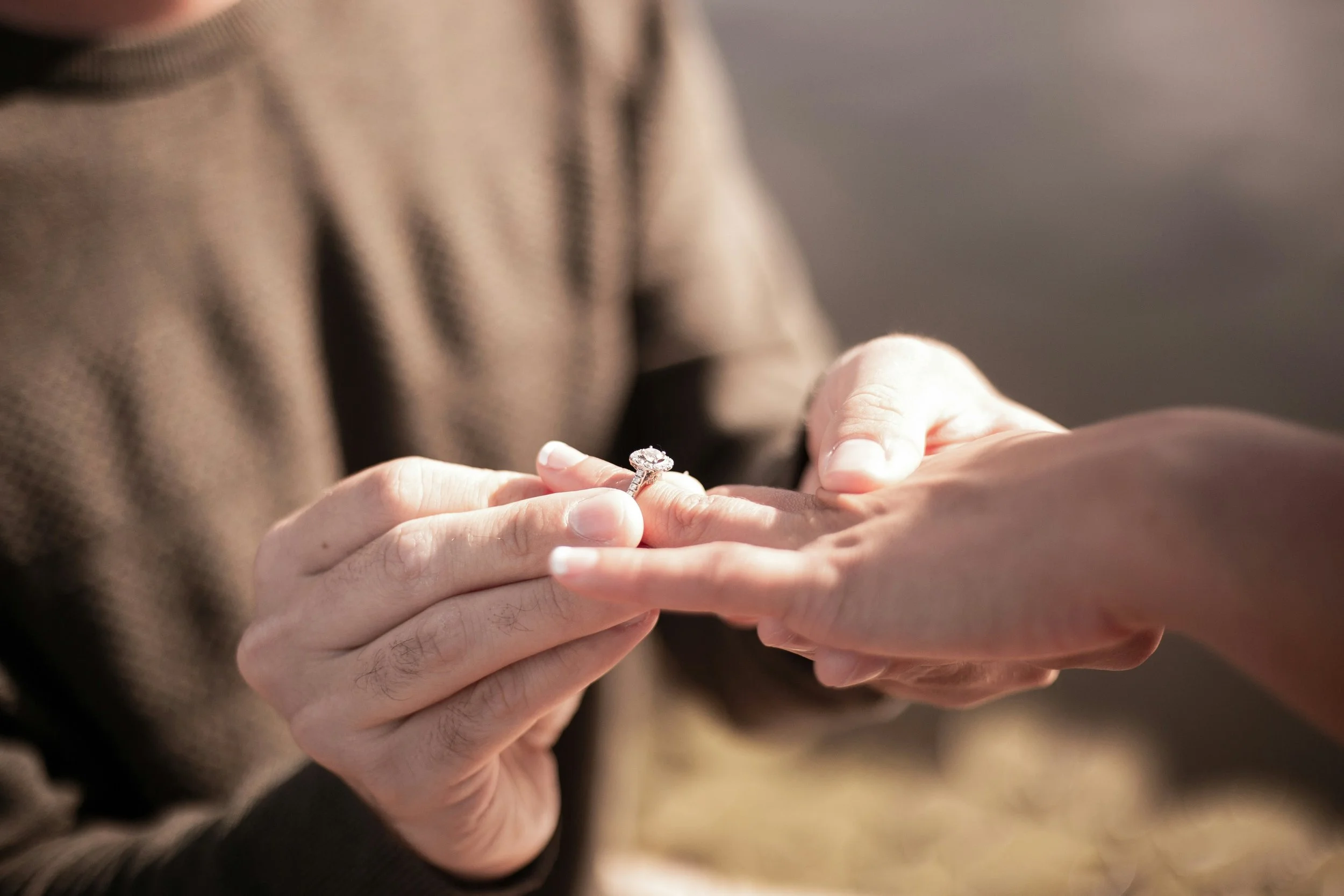
When Did the Tradition of Engagement Rings Begin?
For centuries, engagement rings have been the ultimate declarations of love, whether you’re already engaged, fantasizing about the day when your partner will propose to you or just a fan of that one glittering diamond sitting on your finger.
And while we're at it, the engagement rings that we hold so near and dear today are not what they used to be —in fact, the history of these glittering gemstones is sure to put a sparkle in your eye. What we perceive as a sign of physical marriage today was simply a sign of possession to the Romans and Egyptians back in the 2nd century BC1. Not very romantic, right?
Fortunately, things have changed since, but if you’ve ever wanted to know more about how this wedding extra went from zero to hero then we’ve compiled a quick guide on the history of engagement rings. Here’s your quick primer on how these sparklers got their start, how they’ve developed and what they represent in contemporary times.
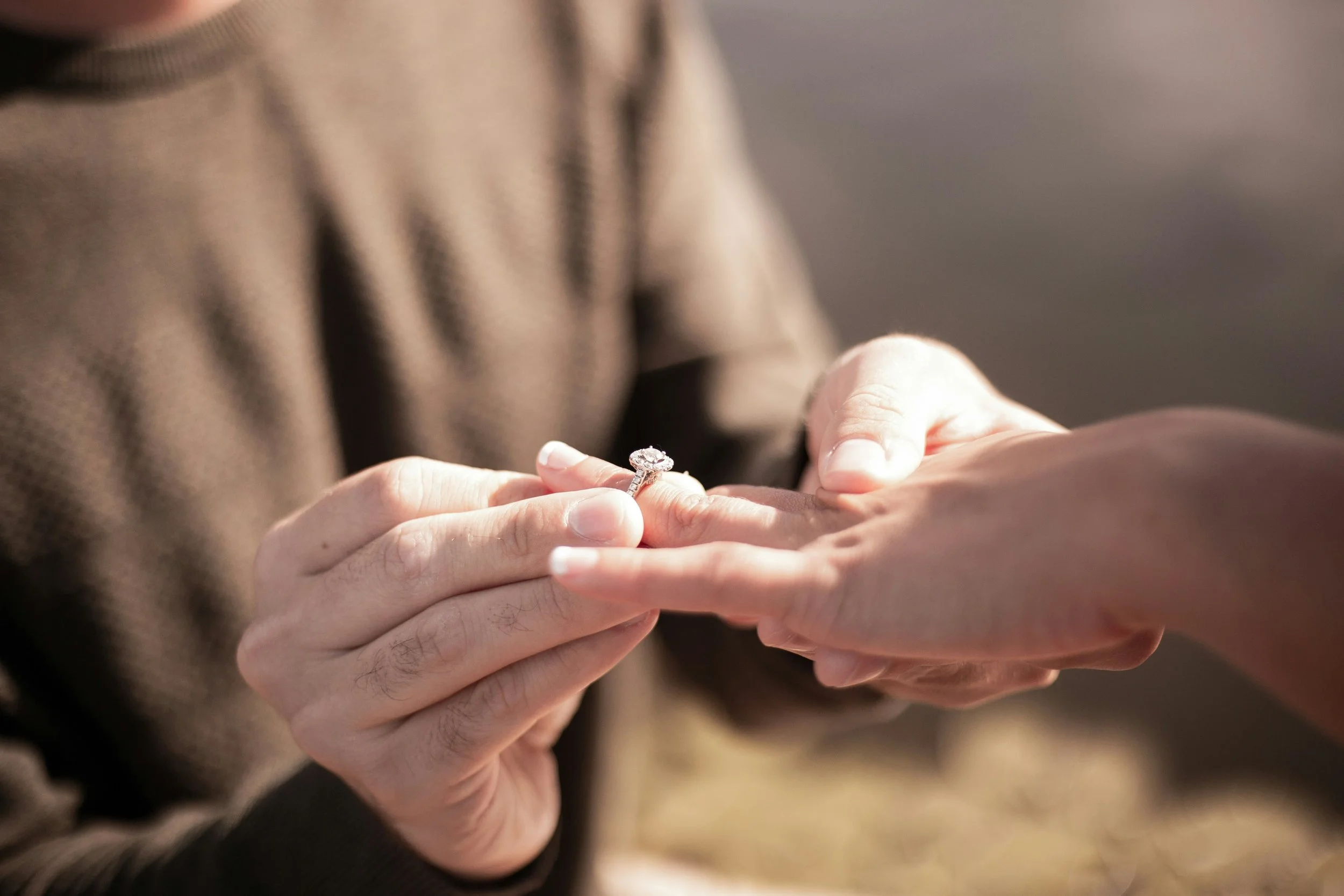
Here’s a look at the evolution of this beloved piece of wedding jewelry.
How It All Started
For centuries, engagement rings have been the ultimate declarations of love, whether you’re already engaged, fantasizing about the day when your partner will propose to you or just a fan of that one glittering diamond sitting on your finger.
And while we're at it, the engagement rings that we hold so near and dear today are not what they used to be —in fact, the history of these glittering gemstones is sure to put a sparkle in your eye. What we perceive as a sign of physical marriage today was simply a sign of possession to the Romans and Egyptians back in the 2nd century BC1. Not very romantic, right?
Fortunately, things have changed since, but if you’ve ever wanted to know more about how this wedding extra went from zero to hero then we’ve compiled a quick guide on the history of engagement rings. Here’s your quick primer on how these sparklers got their start, how they’ve developed and what they represent in contemporary times.
Roman Era
Like a lot of modern traditions, engagement rings date back to Ancient Rome, where Roman women wore rings made from ivory, flint, bone, copper or iron “as a sign of business contracts” or “to assert mutual love and obedience” to men (Gemological Institute of America (GIA))2. These Roman trinkets were based on rings worn by Egyptian pharaohs, who wore such symbols to represent the sun, moon— earth's only companions at the time, as they knew it (according to the GIA official website1).
Also according to the GIA, it wasn’t until 850 CE that engagement rings were officially assigned a meaning when it became customary for Pope Nicholas I to publically announce that this particular piece of jewelry represented a man’s agreement to marry2. The Cape Town Diamond Museum also notes that the diamond would not be seen on an engagement ring until 1477 when Archduke Maximilian of Austria proposed to Mary of Burgundy with a stone set in the form of an “M”.3
Cut to the 15th century, when engagement rings took on the symbolism of intertwined unity that we now associate with them. This is was also the time period when gimmel rings, which are made from three interlocking bands, would start to appear on fingers of couples in love sometimes – each band worn separately by the couple and then joined together as one (the third being the wedding band) for their big day to be worn by the new bride in her wedding ring set.
Final Thoughts
They were followed by posy rings, baubles that had inscriptions of love poetry secretly engraved on the inside of the band and became a craze in their own right — couples exchanged both silver, which was often used as a placeholder until gold could be afforded, and gold posy rings at their nuptials.

When Did Engagement Rings Become Popular in the World and America?
While people getting engaged or exchanging wedding bands is of course not a new concept (let's be honest, we can't see this one disappearing any time soon and did you know that it dates way back to Ancient Rome?) the dominance of diamonds in all this has occurred over more recent times

When Did Engagement Rings Become Popular in the World and America?
There may be many factors as to how a marriage proposal take place – the surprise, the setting and of course the reply are all possibilities that change from person to person.
But they will almost always include one constant: it’s bound to feature a ring; a diamond ring specifically.
While people getting engaged or exchanging wedding bands is of course not a new concept (let's be honest, we can't see this one disappearing any time soon and did you know that it dates way back to Ancient Rome?) the dominance of diamonds in all this has occurred over more recent times.
How It All Started
Jewelry made from diamond has been popular since 13th century, in history the first ring was given by a king. These were set in crowns, necklaces and other jewelry but generally weren’t worn to serve as a statement of a person’s love and commitment.
Most likely, the Archduke Maximilian of Austria was offering her when she received a beautiful as well as delicate ring to be liked as the very first diamond engagement ring! The ring — gold set with diamonds in the shape of an M — started a trend that continued for a century, as even royals and other nobility would use these stones to show their fidelity.
Still, for much of the 20th century, diamond rings were relatively rare as a vehicle for marriage proposals. The tradition of engagement rings arrived in the U.S. circa the 1840s, but it wasn’t until the mid-1870s and a discovery of large diamond veins in South Africa that diamonds were more accessible, even to middle-class consumers.
1800s Era
In 1888, to curb supply and control prices in the market, South African miners formed the De Beers Consolidated Mines Ltd. (now De Beers) cartel to protect their investment and profits. De Beers managed every facet of the industry — right down to marketing — and it worked hard to convince the world that diamonds were rare, and a signifier of status.
But it would be another half century before people started to associate them with love and marriage. Prior to World War I, most brides received gemstones in their rings, although only 10 percent were diamonds.
The Great Depression in the 1930s led to a collapse in the diamond market. People, paradoxically enough, cut back on luxury and stuck to the basics — and as a result they broke an entire country’s heart (or to be more precise: It broke the hearts of those whose sense of well-being depends on borrowing from future growth).
Marriage rates dropped and the couples who did commit to each other opted for rings at a lower cost with smaller, low-quality diamonds.
De Beers Golden Era
With a surplus to unload, De Beers embarked on a propaganda campaign for diamonds. In 1938, they retained the New York ad agency N. W. Ayer to launch a long-term, coordinated effort to associate diamonds with marriage and commitment.
Using Hollywood celebrities who displayed their diamonds on and off the screen, the campaign was explicit not about selling a particular brand but about selling the idea that it should be diamonds, and only diamonds, which were the measure of a man’s love. The bigger and more expensive the rock, went one oft-repeated adage at the time, the more committed to his marriage a man was — and here was an analogy that would justify both bigger-bridge clubs’ higher charges as well as how astounding it would soon become.
One of the best ad slogans in all of history was coined by Ayer in 1948: “A Diamond Is Forever.” Suddenly, diamonds were not simply a requirement for marriage — an emblem of eternity — but they also appreciated in value over time since few tried to resell them. De Beers also established a price for love, determining that the standard one-month’s salary (by the 1980s it had been inflated to two) spent on something to last forever was what one should have paid.
And as the diamond jeans so became the measure of a man, and the idea that he should want to get married, women started expecting them — more importantly, wanting men to value an object they have. At a time when women had not access to economic independence or power, diamond rings turned out to be one of the best sources of wealth and insurance for rainy days.
De Beers was profitable because diamonds were so strongly associated with a (heterosexual) marriage commitment, but the company had less luck when it tried to expand its brand. In the 1980s, responding to feminism and women’s increasing economic power, De Beers sought to convince women that they too should receive diamond rings from their men. Yet the campaign flopped spectacularly, because they couldn’t get anyone to let go of the notion that a man’s love (and worth) — not a woman’s — was measured by carats.
What Happen Now
Of course, men enjoy wearing diamonds too. Over the past years, bling culture with its diamond jewelry has been values by both sexes in the hip hop community. And as more LGBTQ people become visible, men in jewels have gone mainstream. But women still have a lock on the diamond when it comes to engagement and wedding rings. According to the wedding website The Knot, just 7 percent of men wear engagement rings (most of which are worn by same-sex couples) and very few of those feature gemstones.
Indeed, the association of diamonds with marriage is so powerful that it is not clear how De Beers will survive the steady decline in marriage rates. With the industry in crisis once again, one strategy is to stretch love beyond marriage. As a recent Jared spot claimed, diamonds are for all significant others: mothers, sisters or even BFFs.
As we know, love can come in many different forms, and marriage is just one of them. But square or pear-shaped, if De Beers holds sway, it will feature diamonds — and many of them.
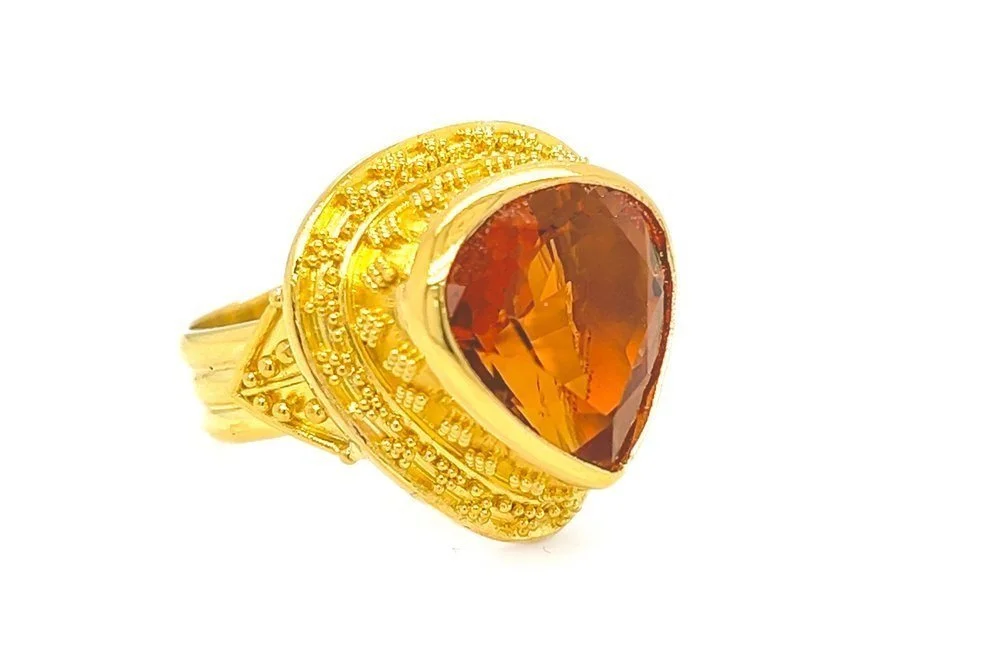
Why is Custom Jewelry a Better Way to Go Compared to Mass-Produced Jewelry?
Buying a special piece of jewelry, be it an engagement ring, birthday gift or just something for yourself is always going to be a huge decision custom vs mass produced jewelry.
Buying a special piece of jewelry, be it an engagement ring, birthday gift or just something for yourself is always going to be a huge decision custom vs mass produced jewelry.
Mass-produced pieces are a streamlined system and you may be thinking that they would make things quicker or cheaper, but custom jewelry provides so much more than sparkle. It can be equally time consuming when you order as well.
We will take an in-depth look at the true differences and why custom jewelry is worth every single cent (and more).
Quality That Lasts
One of the biggest mistakes people make is not understanding that custom jewelry does not compare to mass-produced jewelry.
At Myranda Fine Jewelry, we produce every piece by hand in the U.S.A using premium materials. Solid gold, not metal bodies It also means no shortcuts.
The custom pieces we use are meant to withstand a long time and don’t bend or break easily. In fact, Myranda claims that she could take a mass-manufactured ring and fold it in half between her fingers. Well you can't do that with custom jewelry.
Mass production pieces in jewellery are created by machines, and a lot of the time have a modern feel with less weight. The prongs, (those little arms that grip in your stone) are brittle and require frequent re-tipping.
These are very tough built custom torque locking prongs. We believe it so much that we even give you a lifetime warranty.
What You See is Not Always What you Get
You know when you order that cool looking thing online but then it comes in the mail and its…a mess?
In our jewelry making world, this is a common happening when the items are made on an assembly line.
A nice, well-prepared photo comes your way unfiltered and then what appears is typically a cheaper imitation of what you thought it might be. The stones could be lackluster, the ring may feel insubstantial, and it just pales — in comparison to the picture.
It is how the mass-produced jewelry are made— quick and cheapest.
It is lower cost because it is made with less use of gold and inferior stones. Yes, it might seem like for a good price but the product is most likely going to be crap/opinion
Benefits of Custom Feature
Go with a custom piece and that jewelry will come with context.
Our process at Myranda Fine Jewelry begins with an initial consultation where we get to know your preferences, style and the most important aspects of your life.
An example would be a nurse who has to put their gloves on all day, so something that fits that need — maybe it is lower profile and no prongs. We consider things you may not even think of, so your piece looks great and functional.
The emotional value attached to a custom piece is just unmeasurable. You are part of the process from A-Z. Create a story — designing a ring with my partner, putting stones from my grandmother's necklace into the final piece. It’s one-of-a-kind, just like you.
Is Custom Always More Expensive?
Not at all.
The general perception is that anything custom made would come at a cost. While custom pieces can be more expensive (especially with the larger diamonds and rare gemstones) they do not always need to cost you an arm and a leg.
Myranda Fine Jewelry can also cater to all budgets. We can create something amazing whether you're spending $500 or $81,000. We are friendly, affordable, and always here to help from beginning to end.
At Wishing Well, we think creative custom jewelry should feel un-intimidating. Just let us know what you want, we make it happen without any hassle.
The Smart Long-Term Choice
YOU are making a colossal move in your life.
It is not an ordinary gift for a birthday, anniversary or engagement. This would be something that you or your loved would wear as a keepsake, and possibly for life.
This is why custom jewelry vs mass-produced jewelry is more than just an interesting conversation to have. Creating custom jewelry is not only beautiful. It's not only about customization, quality and timeless craftsmanship. It is designed for your life and narrative.
Even better, if you have old stones or family pieces you want to utilize. We love transforming nostalgic materials into fresh new pieces and keeping the love alive!
Final Thoughts
While it may seem faster and easier to go with mass-produced styles, custom jewelry provides you with better materials, craftsmanship by experts, and a relationship with the piece.
If you know what you want to do or have no clue, It’s okay!
We will listen to you, give you advice and build just what is suitable for you. You do not have to go for what is on the shelf, you can have something as unique as its story.

What’s the Difference Between Custom Jewelry and Mass-Produced Jewelry?
So, what really makes these two types of jewelry different? In this article, we will explore custom-made vs. mass-produced jewelry to make you decide what suits best when buying that one-of-a-kind piece.
Consumers have a lot of choices when it comes to buying fine jewelry, but not all of them are well designed or made. It is really easy to get blown away by the choices, from hand-created jewelry items by experienced artisans all the way to cars stampeed out by factories.
So, what really makes these two types of jewelry different? In this article, we will explore custom-made vs. mass-produced jewelry to make you decide what suits best when buying that one-of-a-kind piece.
The Process of Creation
One of the main differences between custom and mass-produced jewelry is in the creation process.
Artisans create custom pieces that involve so much more as they work intimately with you in designing, crafting to deliver these uniquely catered pieces of jewelry. This can be a time-consuming process, taking week or even months to finish as the artist picks out materials, designs and prepares the jewel.
Conversely, mass-produced jewelry is made in a factory and has patterns partially designed for it beforehand. Mass production has been created to be efficient and cheap which can produce hundreds or thousands identical in a relatively short time.
Working One on One with the Designer
One of the benefits of working with a jewelry designer is getting because you get direct access to aestiticians.
That way you can easily get a special souvenir that aligns with your taste. You can team up with the designer and discuss your likes and dislikes, needs, life style etc., based on this information he will formulate a piece suited for you that will not only look beautiful but also functional.
One of the benefits is collaboration and communication which will be way different if you are working with a designer directly. You will be consulted along with the way, make any changes required and ensure you are 100% happy before we release the final product.
The designer is able to supplement with qualified advice, recommendations and pointers, to specify best materials, designadvice and much more. You can trust the designer's talent, know-how, and knowledge that The end product will be excellent.
Materials and Quality
Materials & Quality: There is a big difference between mass-produced jewelry and handmade jewelry in terms of the materials used and the finished product quality.
Most custom jewelry is usually made from a beautiful material such as gold, silver, or platinum. For gemstones, we are looking for diamonds as natural trends and emeralds or sapphires on the little side until a touch of ruby in red.
The jeweler will look in to the Minimize, Shade, Clarity along with a few other attributes belonging to the gems so your finish merchandise is of top quality. Moreover, custom jewelry is usually hallmarked to assure the quality of the metal and distinguished gemstones.
However, most fashion jewelry is manufactured with cheap materials such as alloy metals and synthetic colored or treated gemstones, due to the higher cost of precious materials.
By downgrading the materials, it may make the piece look less pleasing to your eyes and will likely also affect the lifespan of your custom-designed piece.
And lastly, with the production of jewelry in mass it cannot be emphasized that there is no hallmark or certificate salvation for natural stones and precious metals. This results in a finished piece that may not be as well-made or good looking, and true to the original part.
Attention to Detail
When it comes to the attention to detail, custom vs mass-produced jewelry are basically polar opposites.
Handmade jewelry is usually handmade due to the fact that it has been very carefully designed and built by a craftsman who has taken notice of even the minutest things in crafting it.
That means, by the time it's ready to be woven, what a weaver gets is indeed a work of art, every single detail has been thought through and implemented to perfection.
Mass-produced jewelry has no such personal touch, it is simply churned out of a machine all the same. It is all about the NUMBER of pieces you can put out as quickly as possible, not trying to create an extremely high end unique and beautiful piece.
Cost
Cost: The first difference between custom and mass-produced jewelry that should come to mind is perhaps the most obvious. Of course, custom jewelry is also usually more expensive than ready-made pieces, because it takes longer to create and uses better materials.
But the price is indeed important, and not only because it affects the consumer. A custom-build piece can cost more for example but the design that stands out, better quality materials and precision in detailing make it worth.
The Takeaway
The type of piece you are looking for: The most crucial consideration when buying jewelry is to think about what kind of a piece you are researching and what your priorities are in the sort of jewelry.
So, while hand-crafted engagement and wedding rings contribute to unique design and great materials (contrary to the mass-produced ones), but why should you buy it since there is a cheaper alternative in the market?
The choice of custom or mass-produced one is personal and depends on the desired piece of jewelry.
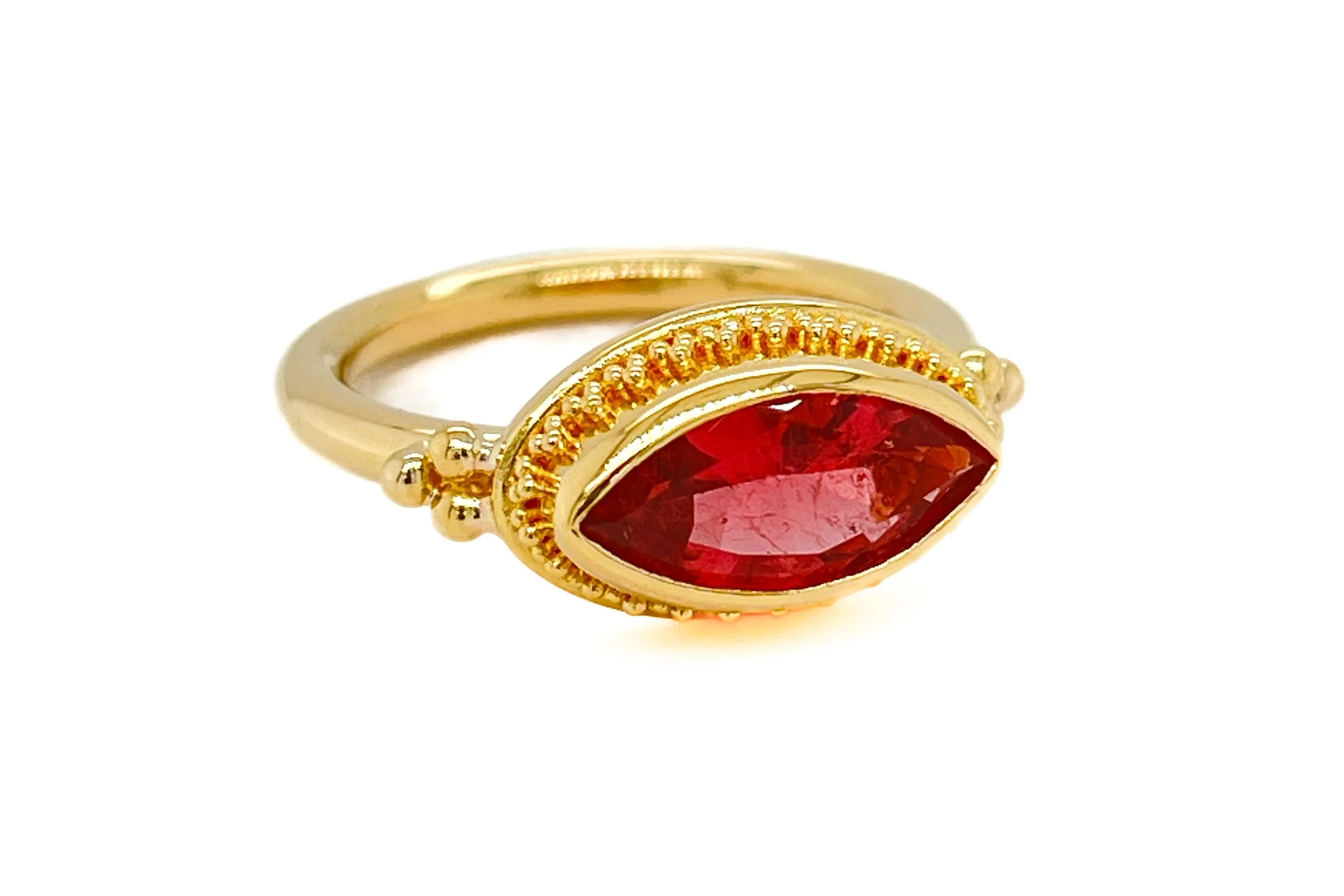
What Are the Best Occasions for Giving Custom Jewelry?
Some gifts are good enough, but the others? They’re unforgettable.
Custom jewelry fits into the second classification. No matter if it is for a birthday gift, an anniversary gift or just to show him/her how important falconry has become in the life of your partner, there isn`t better way than a handmade piece of jewelry.

What Are the Best Occasions for Giving Custom Jewelry?
Some gifts are good enough, but the others? They’re unforgettable.
Custom jewelry fits into the second classification. No matter if it is for a birthday gift, an anniversary gift or just to show him/her how important falconry has become in the life of your partner, there isn`t better way than a handmade piece of jewelry.
Unlike other wonderful gifts which you can think of, custom jewelry transcends that and takes things a step further — it gives an actual personal touch by making your gift one of its kind and showing how much thought was put into this.
In this blog, we are going to take a look at why custom jewelry is always the right choice for every single event.
It’s One of a Kind (Tailored Just for Them)
A custom piece of jewelry is created with the recipient in mind; it represents their own individuality.
You can pick the gemstone you loved, the metal, and personalized engravings added for a wholly unique ring that matches them perfectly.
There is nothing quite like a piece that embodies special moments or feels as if it belongs to you because it does — the pendant with his initials, the ring bearing hers or even the bracelet that pays homage to a shared memory.
It Tells a Story
Each piece of custom jewelry is a story. It could be based off of a great day, your happy place, or even your life motto. The story becomes part of the piece and transforms a mere accessory.
Like what about designing a heartland-shaped pendant to your necklace where you met at the mountains in Santa Fe or a bracelet with coordinates marking your first trip together? For those who are more interested in a traditional item of jewellery, an engraving inside the piece or perhaps a gemstone can be added.
Personalized jewelry is more than just a gift: it's something to remember by wearing around with them everywhere.
Perfect for Every Occasion
The main benefit and top reason for purchasing custom jewelry are its versatility. They can also be sewn for the occasion.
Popular occasions for custom jewelry:
· Engagements and Weddings: Design your own perfect engagement rings/bands that represent your special relationship.
· Birthdays: Include their birth stone or their zodiac sign.
· Graduations: Honor accomplishments with a customized bracelet or pendant.
· Anniversaries: Create a piece that commemorates your life together, maybe stacking rings to represent key anniversaries.
It Becomes an Heirloom
Jewelry designed for you is more than a gift of the moment; it can be enjoyed by many generations. If you design it well and with that timeless appeal, you are designing something that is kept as it will mean so much more to the receiver years after they tried it on the first time.
Why it matters: The idea of heirloom jewelry is what ties family together, over time and tradition to well-kept memories.
Made with Love (and Your Feedback!)
This is exactly where the beauty of custom jewelry lies upon. Here, you have a say at each turn — from how to share your creative vision to materials and schedules.
How it works:
· Step 1: Tell us what inspires you – a colour, pattern or something deep that represents your story.
· Step 2: Collaborate with a jeweler (Luna Felix Goldsmith) to refine the design and select gemstones, etc.
· Step 3 : Watch artisans bring your be spoke piece to life
We at Luna Felix Goldsmith strive to make the process of designing, collaborating, and creating your dream piece is as simple, collaborative and beautiful as the final product (if not more)
Supports Artisans and Local Businesses
By opting for custom jewelry, you also vote in favor of artisans and craftsmen who put their heart and soul into each piece. A custom-made piece of Santa Fe jewelry from Luna Felix Goldsmith brings all these good things together.
The Gift That Lasts for Life!
This is how a piece of custom jewelery makes an impact; it literally integrates the experience into their everyday life. Every time they put it on, they will remember a special moment and that you thought of them.
And Custom pieces double up as great conversation starters. And think of the joy you can give them by letting them share with others, “I have this one-of-a-kind piece that someone upcycled for me!”
Custom jewelry is timeless. Made with high-quality materials that are built to last, it is destined to be a treasured addition for generations. While you may be giving a gift when you give bespoke, you offer far more than just an item.
We are Luna Felix Goldsmith, and we make custom, personalized pieces that tell your story. Create the perfect engagement rings, necklaces and more completely bespoke so they'll never forget.
START you creation by checking out Luna Felix Goldsmith’s custom jewelry services here. Let’s create something extraordinary together.
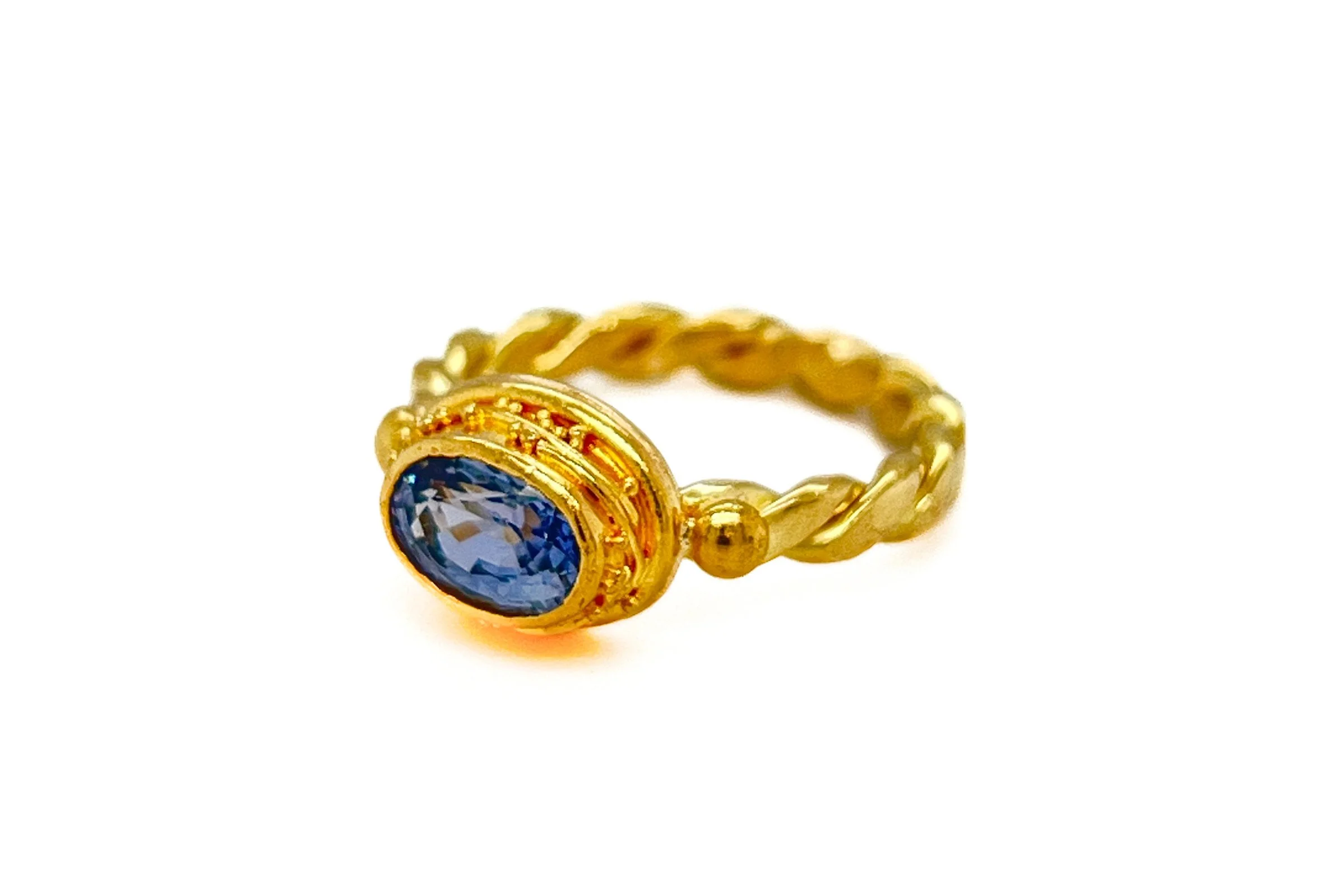
What Are The Basic Facts About Gold Granulation Jewelry?
If you would like to learn how to design your own custom granulation jewelry, schedule a time for a one-on-one meeting in house with our owner and founder Luna Felix of Luna Felix Goldsmiths one of Santa Fe's top custom jewelers.
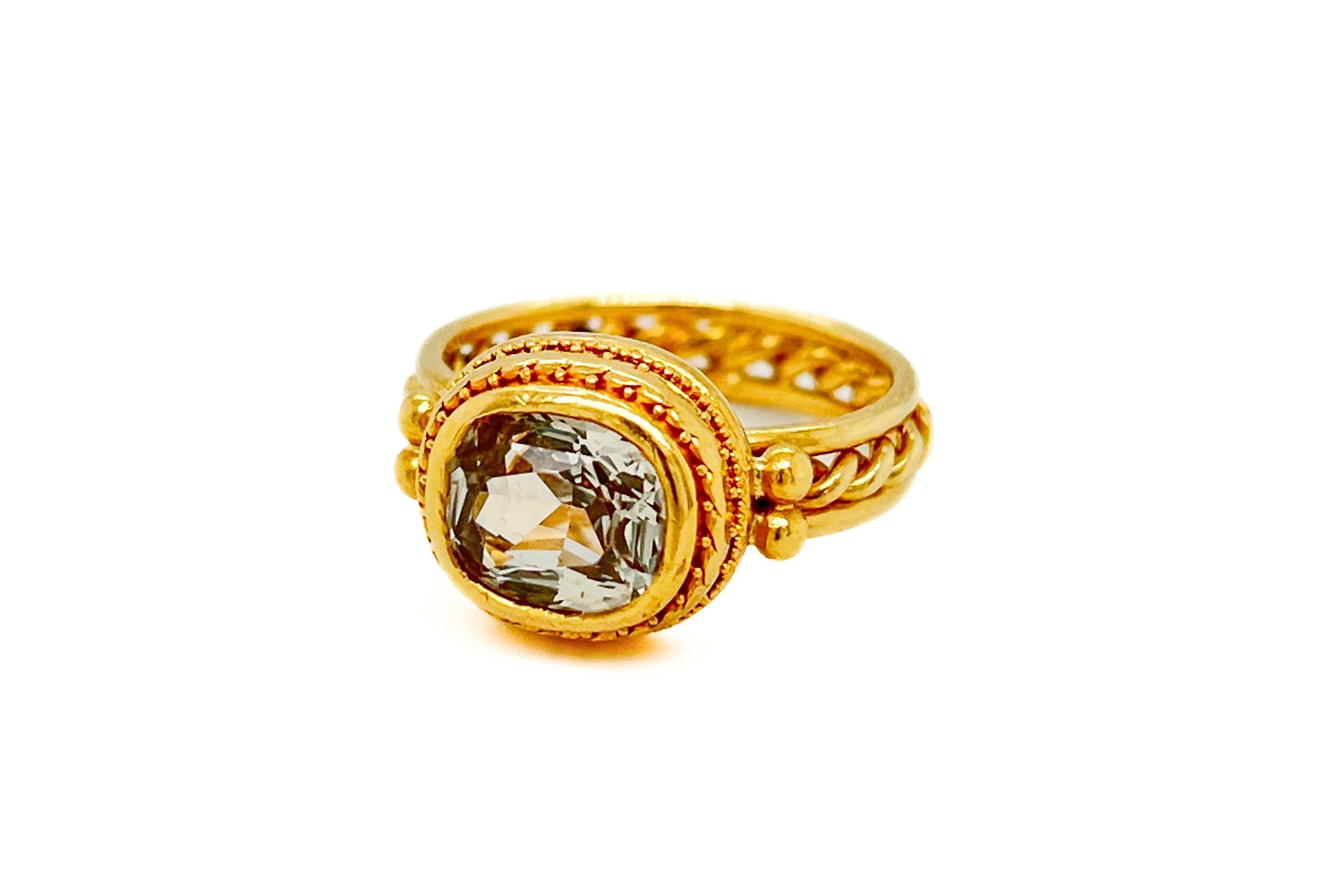
One of the oldest jewelry making technique is granulation. This is the technique of joining tiny gold beads together to create texture, depth and dimension in fine jewelry -adding beauty and allure to a piece but also turning it into wearable art.
Like hand milgrain, hand engraving and fine filigree, this is one of the types of specialized craftsmanship of the artisans at Luna Felix Goldsmith which is quite adept at producing custom rings and gemstone jewelry items.
If you would like to learn how to design your own custom granulation jewelry, schedule a time for a one-on-one meeting in house with our owner and founder Luna Felix of Luna Felix Goldsmiths one of Santa Fe's top custom jewelers.
Give us a call at 505-898-7679 to talk about the piece of jewelry you'd like to create, or stop by our shop in downtown Santa Fe, NM.
The Origins of Granulation
Granulation is the ancient art of soldering minute gold beads on to jewellery has its origin as long ago as 2500 BCE with Sumerian culture in Mesopotamia.
These ancient artisans made incredibly beautiful, complex patterns that still impress modern jewellers.
Egyptians eventually gained notoriety for granulating jewel — neckbands, sprucing up gems, and hoops — made with the most extreme accuracy which much of the time consolidated religious pictures like the Eye of Horus.
Over time, granulation spread to other civilizations. In fact, the middle level of that chart is in Italian, where we find one of the great Etruscan cultures (8th-3rd centuries BCE).
Their jewelry typically included geometric patterns, floral designs and animal motifs. Their artwork was far more than just aesthetically pleasing, these were pieces that denoted wealth, status and spiritual belief; the Etruscans placing a great deal faith in fate as dictated by the will of the gods
Granulated Designer Jewelry by Luna Felix Goldsmith
How Granulation Works
Manufacturing granulated jewelry is a very tedious process and it needs skill and patience. Golden granulation, a method of adding tiny gold beads (granules) onto the surface of an ornament to create patterns.
Craftsmen employ special tools and techniques to add granulation Aided by tweezers, pliers and sometimes even hammers to put the granules in place, heat is then gently applied through processes like torching/ laser fusion.
In the past, granules have been fire welded with a mixture of copper salts (a bonding agent which melts at a lower temperature than the gold and permits the granule to join without it being in its molten state). More recently, jewelers have applied the use of soldering or more precise heat control methods.
They are usually produced by snipping off pieces of gold wire, which are joined before being heated until they turn into balls. The design is set up, then the granules are fused on the surface according to trend.
Granulation vs. Milgrain
Granulation is often confused with hand milgrain, because both are ancient techniques of the artisan. Granulation is the technique of placing small beads of metal (usually gold) onto a surface to partition areas for patterns and designs in jewelry.
Using heat or a bonding agent, the beads are more often than not fused to the piece — sometimes in a layer over broad surfaces that must be carefully bonded together without melting from one side.
Milgrain, however, refers to small metal bumps that line the outer edges of a piece of jewelry. Using a beading tool or engraving, this process involves making small metal bumps at regular intervals along the perimeter of the jewelry piece.
The term milgrain, which literally means a thousand grains, caught on during the 20th century with the advent of the Edwardian and Art Deco periods. It is often used along the perimeter of a design, giving the piece an elegant but understated border without overshadowing the central motif.
Although granulation and milgrain each have their own unique visual features, granulation is about texture and (usually) intricacy where milgrain can be seen as a more refined or ornamental matte that highlights the curves of the jewelry.
Ottonian ring, 10th century German, with cloisonné-ornamentCentral-EuropeRing(c. 1000).
Styles and Variations of Granulation
Etruscan jewelry of the past was created and made so interesting — rows of tiny little beads positioned perfectly to form geometric shapes or flowers or even animals.
The Egyptian granulation probably was a little more organic. They combined nature and celestial symbols with patterns, along with granulation which was effective when mixed with other media (lapis lazuli or turquoise) to make the gold beadwork more circumscribed.
Whilst the Greeks and Romans had been inspired by earlier cultures such as the Etrucians, Egyptians etc., they used granulated gold in a more simple yet refined manner-having granules in very small areas (as details), rather then over much of the surface. You will find it in earrings, pendants with few beads enough to stand against by reigning smooth gold.
Granulation has been part of complex filigree designs in India and the Islamic world, where thin gold strands are combined with granules. Indian granulated jewelry is frequently very flowy and light, with practically lace-like detail that catches the eye of light along with shimmers.
Modern-day granulation, however, has evolved this ancient technique by combining it with current advancements in jewelry tools. Still, the laser technology is only used by some with others reverting back to traditional building style such as hand-fusing granules rather than utilizing soldering.
Jewelry designers are venturing into more bold and abstract styles. This could be part of a larger composition that plays with texture, or even something more minimal where a few individual grains are placed to create a delicate look.
The Value of Granulated Jewelry
Much like any fine jewelry that is hand engraved, milgrained and filigree, granulation is not only valued for its appearance but also the craft needed.
Each piece is, in fact, a masterpiece due to the laborious work of fusing minuscule gold beads together painstakingly on any given surface. To make matters even more captivating, the methodology itself has a fascinating history in culture.
Luna Felix Goldsmith is both a custom jeweler and a Santa Fe jewelry store. If you want to design your own jewelry with granulation, feel free email us at our Santa Fe custom ring store that practices a no-touch worry policy.
Call Luna Felix Goldsmith today at 505-989-7679 to leave a message. You can also contact us via email by using the contact form below.

What are the Most Frequently Asked Questions People Ask About Jewelry Insurance?
People have questions about engagement ring insurance, as well they should. Below we have compiled a list of questions people want clarified when buying insurance for their engagement ring.

People have questions about engagement ring insurance, as well they should. Below we have compiled a list of questions people want clarified when buying insurance for their engagement ring.
FAQ
What is the distinction between a premium and a deductible?
A deductible is the amount you pay out of pocket for damages or replacement before your insurance company gets involved. The premium is the price of the insurance, usually expressed as a monthly (in less common cases, annual) cost.
Is there any way to lower the premium?
The policy is priced for risk factors and the rates are being fine-tuned based on information obtained during the application. There are no established discounts for the policy, because the premium can refactor when you make a change to your policy at any time.
Although there might be certain ways to reduce the cost by reducing the possible risk factors (such as having a safe at your home), but they will have to be discussed thoroughly with your policy provider.
Can I insure more than one piece of jewelry?
Of course. You can insure multiple items up to a point right from the start or add new items to your current policy when you start building up a collection of your own, say, of designer shoes and bags. You will pay more for each additional component.
What if my ring is a custom piece or family heirloom?
This will vary depending on your insurance policy and whether you have coverage that compensates you for replacement or a cash payout. Make sure you talk about these kind of details with any potential policy providers before you decide.
What if my ring is upgraded?
If the jewelry is subsequently upgraded, the customer is required to submit a new appraisal with the new item description so the item is properly insured.
The warranty is only as good as its appraiser and if ever you have to make a claim on your beloved piece of jewelry, the appraisal is your assurance that you are reaffirming value or replacing the item for its rightful worth.
Do I need to get my engagement ring appraised?
And since it has probably appreciated in value from the time you bought it, remember to have your ring reappraised every two to three years just for insurance purposes.
Most legitimate appraisers will keep a copy of your original appraisal to work from, instead of starting all over (which also cuts down on fees). To be extra safe, you can bring a copy of your original appraisal in case they do not keep records for that many years.

What Are the Benefits of Working with a Local Custom Jeweler One-on-One?
As a local Santa Fe NM jewelry design studio, our main goal here at Luna Felix Goldsmith, is to assist you in making the custom ring of your dreams a reality, from scratch, while having a completely hands on experience of working with your neighbor.
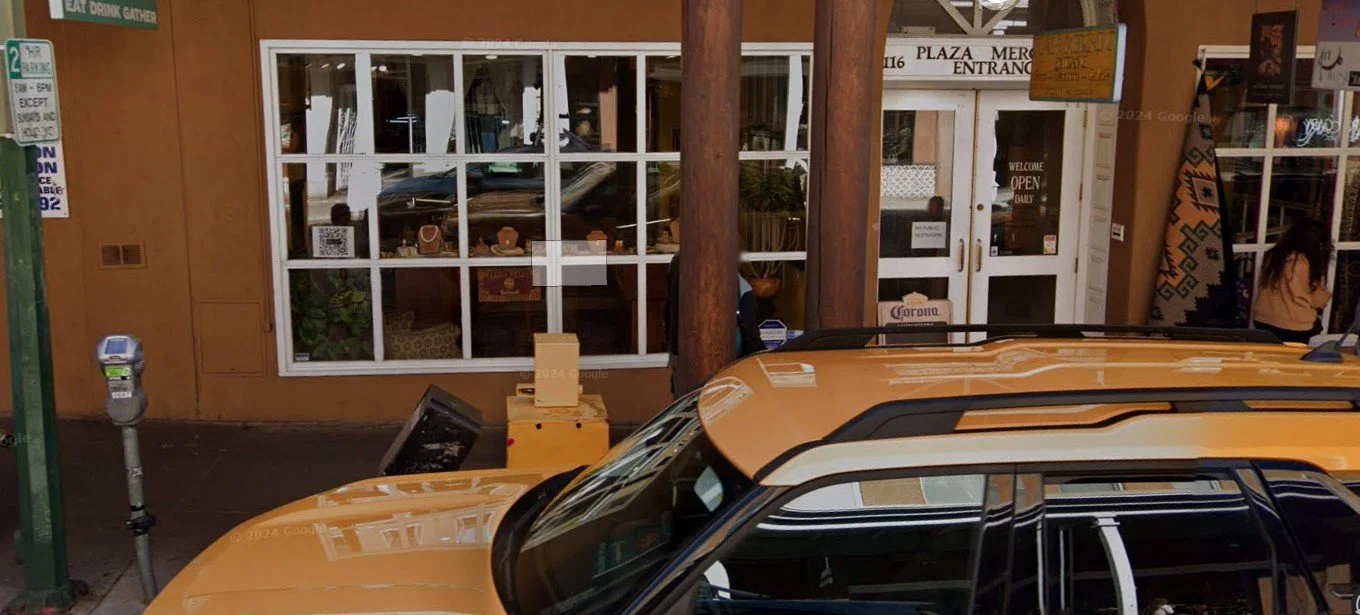
There are countless advantages in buying local and it certainly applies to doing business with local jewelers and local jewelry stores.
When you are purchasing fine jewelry (especially something like engagement rings you plan to wear for a lifetime), you want to feel confident that you are getting the best quality for the best price. If you’ve already begun your search for an engagement ring you know this is no small feat.
As a local Santa Fe NM jewelry design studio, our main goal is to assist you in making the custom ring of your dreams a reality, from scratch, while having a completely hands on experience of working with your neighbor.
We love working with local jewelers, and these three can help you know why, not only for the added benefits of doing so, but also for the risk reduction while shopping for fine jewelry online.
Local Jewelry Stores - The Benefits
For those who decide to shop for their engagement ring in a local jewelry store or have one designed by their local jewelry designer there are feelings and experience that come with it not just stuff. You get to see and touch rings in person.
It’s not just a chance to check the quality, you can see exactly which metals, stones, and finishes you like. Should you choose to collaborate with a local custom jewelry designer like us, you have a lot of say in the creative process, and can even be as involved as you want to be.
Purchasing a custom ring is like purchasing a car or a home and not like buying clothing so of course you are going to have millions of questions! You will also be able to ask all the questions and get instant answers from our jewelers when you are shopping for a custom ring in person. You can sleep soundly in the knowledge of exactly how the process operates.
Even better, there is the added value of working with your local jeweler; you are also supporting the community while fostering more personal local relationships. You build a relationship and get a personal experience.” At Luna Felix Goldsmith we believe in client relations.
How Safe is Jewelry Online Shopping?
There are so many clear advantages to shopping online.
It’s quick, easy, and efficient. But your participation is not like buying a book online. It’s a major life purchase.
There is the gift you make yourself, and it’s something special that takes time and attention. When you buy online, you can’t really see how high-quality the ring is just by looking at photos of it.
The custom rings are very nice and detailed but a pic on a computer screen is not going to do justice to the artistry that goes into every cut, lining, and design.
· First, for all of you preparing to order a ring online, chances are, it either arrives and isn’t the quality you were hoping, not comfortable, doesn’t look like what you thought, or simply isn’t the style for you.
· Second, everything is on the internet. The ring you purchase could have an inferior stone or arrive broken. It is essential that you only look for rings in a reliable place. And you don’t have a personal connection to the business from which you bought your ring, so it’s difficult to get anything fixed or polished.
· Third, you won’t have the support or guidance of a professional jeweler. We all know that you are looking for something specific that you can’t quite seem the find on the internet or if that doesn’t seem to be your issue, maybe you can’t even begin to narrow down exactly how you want your custom ring to look like; which is where a custom local jewelry designer can be a real-life savior.
Online stores probably aren’t going to custom-design rings, especially if it’s from scratch. A custom jeweler in her area can help ensure that her perfect stone, size, shape and cut is part of her dream engagement ring.
Final Thoughts
Yes, it's really tempting (believe us, we understand), but just save your money now because chances are, that well-priced, fly-by-night online site is going to take your money and run.
The benefits are not worth the heartbreak if the ring doesn't deliver as you imagined. When you choose a local jeweler, like Luna Felix Goldsmith, a local Santa Fe jewelry store you are not only benefitting your community, but you are also preparing yourself to be successful.
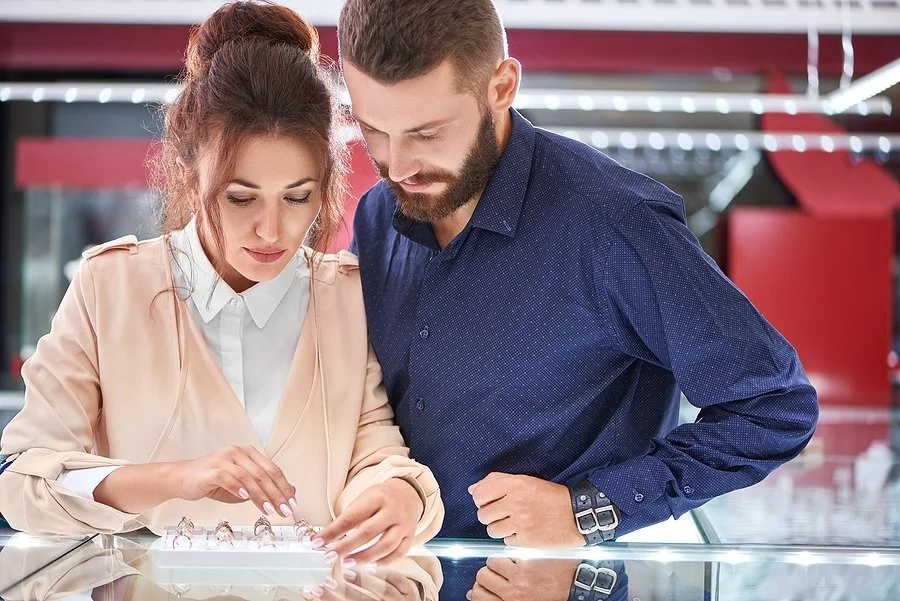
Is It Better to Buy an Engagement Ring Online or In-Store?
When you’re buying an engagement ring, there are essentially two routes to take: buy from a brick-and-mortar store or buy online.
Both present their own potential positives and negatives; being aware of these can help you choose the one that is best for your individual wants and needs. In this article, I’ll be covering the Pros and Cons of buying an engagement ring online vs. in-store.

When you’re buying an engagement ring, there are essentially two routes to take: buy from a brick-and-mortar store or buy online.
Both present their own potential positives and negatives; being aware of these can help you choose the one that is best for your individual wants and needs. In this article, I’ll be covering the Pros and Cons of buying an engagement ring online vs. in-store.
Pros & Cons of In-Store Purchase of Engagement Ring
As alluring as online options may be, there's no doubt the in-store experience still has something special to offer. Let’s READ THE PLUSES AND minuses OF SHOPPING IN PERSON.
Pros
Physical Inspection
Shopping in-store also gives you the opportunity to touch, feel, and try on various rings so that you know what kind of quality, design, and fit that you’re getting. Additionally, having the ring in your possession can be exciting and help you feel secure about your upcoming big day. You can get right up and look at a diamond and see how the stone sparkles and fires, and be sure there are no inclusions.
Expert Guidance
Experienced jewelry makers and sellers can help reply to questions, clarify diamond grading, and present styles that are derived from your budget and preferences. This knowledge can be essential, especially for first-time buyers. And, it can feel magical and inspiring to personally receive the care and attention of an expert when you are making one of the most meaningful jewelry choices of your entire life.
Immediate Gratification
Many stores allow you to walk out with your preferred ring that same day (with in person purchases), eliminating the wait time of shipping online. Especially if you're on a tight timeline for the engagement, this instant gratification can sound pretty appealing.
Cons
Limited Selection
A few brick-and-mortar shops might not offer as nice of a variety as online stores, limiting what’s available to you. You could miss out on a one of a kind style or a particular kind of diamond if you don’t know enough to ask about other options.
Time-Consuming
Shopping in person to locate the ideal ring involves carving out time and can often involve a long commute if you don’t live close to a store. Plus, it may be time consuming, particularly during peak times, to make appointments and wait for sales personnel to help.
Higher Price Points
Some in-store engagement rings may be more expensive because of the cost associated with the overhead expenses necessary for keeping a physical store.
These expenses can include rent, utilities, and overheads that can also be delivered to the consumer in the form of higher prices. The silver lining is that this isn’t something you’ll find at every store. Even at London Gold we have unbeatable prices with a brick-and-mortar store.
Pluses & Minuses of Buying an Engagement Ring Online
The investment in a diamond engagement ring — you know, that “month’s salary” marketing campaign evolved into two, then three, then — will support the mining of more diamonds.
Purchasing an engagement ring on the internet is a convenient way to shop in the digital age. But is it right for you? Let’s take a good look at the Pluses and Minuses to help you decide.
Pluses
Wide Selection
Online retailers have so many engagement ring choices that you can browse through a huge collection of styles, cuts and price points without ever leaving your house. You can explore infinite design possibilities without the restriction of space verifying a perfect ring to compliment your taste.
Convenience
Shopping for an engagement ring on the web brings the ability to shop and buy from the home, day or night. Whether you are a career person on the go or you like the informal style of home shopping, online retailers offer an easy shopping experience.
Information at Your Fingertips
Full descriptions, high quality photos and diamond reports make this selection one for an educated decision. You can read up on the 4Cs (cut, color, clarity, and carat weight) of diamonds and compare various styles with one another to make sure you find the best ring for both your budget and your tastes.
Minuses
Limited Physical Inspection
Online shops can offer good descriptions and clear images of the ring, but you can't see the ring or try it on before you buy it. Without feeling the ring yourself, you may struggle to evaluate the quality and workmanship of the ring and be unsure of how it will look or fit.
Less Personalized Service
First time buyers, or those who may be uncertain about certain aspects of the ring (quality of the diamond, available setting options, etc.) may miss a personalized touch and the expert guidance of a jewellery. And although some online retailers provide customer service via chat or email, it is not quite the same as the live experience.
Shipping Delays
Having to wait around for your ring to show up on your doorstep can add hassles and inconvenience to the buying experience. Although the majority of online sellers in charge of rush shipping, also fluctuations or problems in transit or processing can delay when your ring will show up. This can be particularly hairy if you have a specific proposal timeline in mind.
Selecting the Right One for You
There are a few things to consider when choosing between an in-store and online engagement ring purchase, including your budget, degree of convenience adds or your need for physical hands-on inspection. In-store shopping is probably the best option for shoppers who live for the personal touch and instant gratification. On the other hand, if variety is what you want and you don't mind an online transaction, buying online might be a better option.
Shop For Your Engagement Ring in Person at Luna Felix Goldsmith
At Luna Felix Goldsmith we have a wide range of quality and stylish rings to cater to every taste and budget, as well as your very own custom designed engagement ring.
For bespoke quality creation, cleaning and resizing at very affordable prices, vs the in-store experience with an expert, hands on approach, we're here help to help find that perfect ring to signify your love and commitment. Visit our selection and find the perfect ring for you at our store in Santa Fe, NM at 116 W San Francisco St # 208, Santa Fe, NM 87501.
Do I Need to Get Insurance on an Engagement Ring?
Though engagement ring insurance may be the last thing on your mind during such a happy time, with great rings come great responsibilities, and you want to be covered if anything unexpected happens to the beloved rock. Whether you've left your engagement ring accidentally behind on the beach, lost a stone at the gym, or had your ring stolen, engagement ring insurance can offer financial protection and peace of mind when you need it most.
From the moment you say "yes," chances are you'll be rocking a shiny new addition on your left-hand ring finger—an accessory that needs to be protected.
Though engagement ring insurance may be the last thing on your mind during such a happy time, with great rings come great responsibilities, and you want to be covered if anything unexpected happens to the beloved rock. Whether you've left your engagement ring accidentally behind on the beach, lost a stone at the gym, or had your ring stolen, engagement ring insurance can offer financial protection and peace of mind when you need it most.
By definition, engagement ring insurance is a contractual means of risk management to protect you from financial repercussions in the event of physical loss, theft, or damage. The policies typically extend to all jewelry items submitted to the coverage scope and result in either replacement, repair, or cost reimbursement. Moreover, while anything that happens to your engagement or wedding ring is heartbreaking, knowing it's properly insured can help to soften the blow.
Here, we've compiled a comprehensive guide to engagement ring insurance and weigh in on what it takes to make sure you'll be able to enjoy your ring for years to come—no matter what life throws at your left hand. Continue for everything you need to know about getting your wedding rings insured.
How Much Should You Spend on an Engagement Ring?
Do You Really Need Engagement Ring Insurance?
Ultimately, it's up to you to decide if your accessory is valuable enough to require financial protection, but most experts agree any proposal piece is a good candidate. "If you’d be upset if your ring was ever lost, broken, or stolen, then it’s valuable enough to insure," says Krowiorz.
"If you think you would be devastated about the sentimental loss, afraid to wear other uninsured jewelry, or unable to cover the cost to replace the item, it would be wise to make sure your engagement or wedding ring is covered by insurance."
Unsure when to get your ring insured? Your soon-to-be fiancé or fiancée can insure the ring as soon as it's purchased and in their possession—much like you would insure a car prior to driving it off the lot.
You might not initially be thinking of anything happening to your precious and sentimental token, but the sooner it's insured, the sooner you'll be protected. The timeline can vary depending on the individual case, but, in general, coverage can be provided right away (after the application, appraisal, and sales receipts are submitted) or may take a few business days if subject to underwriting review.
There might be more to think about than just how to insure engagement rings. As soon-to-be newlyweds, you may want to consider ramping up your insurance coverage to account for expensive or hard-to-replace wedding gifts.
The Cost of Engagement Ring Insurance
Rate is determined by multiple rating variables and factors (like an auto or home policy) to provide a customized rate based on the individual risk characteristics.
These variables and factors include the value of your ring, where you live (and theft rates in the area), and whether or not your policy has a deductible. Premiums will always be higher for policies with lower or no deductibles.
Insurance typically costs one to three percent of the value of the item being insured, but can be outside this range based on individual risk characteristics.
So, on average, you can anticipate paying $1 to $3 for about every $100 your ring is worth. In theory, then, you can anticipate a premium of $100 to $300 a year for a $10,000 bauble.
How to Insure Your Engagement Ring
What happens if you lose your ring? If someone steals it? If it gets damaged? These are all the reasons why you should consider engagement ring insurance. Ahead, we provide a few tips to help you get the best protection and coverage.
Get your engagement ring appraised
You can't protect the value of your ring if you don't know its worth. An appraisal will account for all the key elements of value including carat weight, cut, color, clarity, and quantity of diamonds; types of metal and weight; shape and carat weight of other stones; and any distinctive markings, model numbers, or stamps.
Current retail prices in the regional market, origin of the materials used, and craftsmanship of the piece are also taken into account. Most insurance companies will require an appraisal for higher-value pieces (for example, rings worth $5,000 or more), while an invoice or receipt may be sufficient for less expensive items.
Having jewelry appraised at the time of purchase assures current market prices are reflected and distinct characteristics are accounted for.
Ensure you have a diamond certificate or grading report
If your center stone is around half a carat or larger, your jeweler will often provide a diamond certificate or grading report from an independent gemological laboratory like the Gemological Institute of America (GIA), the organization that founded the "4Cs" used to evaluate diamonds: color, cut, clarity, and carat weight. This assessment of quality—while not an appraisal—lists all of the measurements your appraiser will need to make the most accurate determination of value. (This detailed information can also help track down your specific diamond if it's ever stolen).
Research insurance companies and get a quote
Being adequately informed is of the utmost importance in deciding which insurance option or provider is best suited to your needs. Make sure to ask a potential policy provider important questions like:
· Can you choose who repairs your ring?
· If you're insured for replacement (instead of a cash payout), where can you purchase a new ring?
· What happens if a suitable replacement cannot be found?
· How will you need to prove the ring vanished if you make a claim?
· Are there any circumstances that aren't covered?
· Will you continue to be insured when out of the country?
· Are you covered for damage or just loss and theft?
· Will the policy adjust according to inflation?
· What types of repairs contribute to the deductible?
Whenever you insure something valuable, the most important thing you can do is understand your policy thoroughly. As you get answers to these questions, you'll have a better sense of which provider can offer the best ring insurance.
Compare coverage pricing and options
Once you've done some research, your next step is to compare the options you've discovered. In most cases, you may be assessing the differences in coverage and pricing between two options: homeowner's or renter's insurance, or insurance through an independent company.
If you have homeowner's or renter's insurance, you can purchase an extension (also called a rider) that covers your engagement ring specifically. But, there is something to keep in mind: A jewelry claim filed against your homeowner’s policy could affect your entire policy.
So, if your engagement ring was ever stolen or lost, your premium could go up or your eligibility for your entire homeowner's policy could be affected at renewal.
If you don't have homeowner's or renter's insurance, you can take out a policy through an independent company that specializes in jewelry insurance like Jewelers Mutual. We encourage you to trust your home to your homeowner's or renter’s insurance specialists and your jewelry to the jewelry insurance specialists. Most homeowner's insurance policies do cover jewelry to some extent, but, in many cases, coverage is limited by situations covered, requirements to use jewelry replacement companies, and coverage value limits.
Be sure to have all the facts and information when evaluating insurance options, even if you're just choosing to add a rider to the current policy. Call your homeowner's or renter's insurance and ask for details—never just assume you’re covered.
Request a sample policy
Asking for a sample policy will allow you to see what's provided with your insurance coverage—and what isn't. This is extremely helpful when comparing policies, especially if you're stuck between two companies. Your sample policy may vary from your actual policy based on your location and the underwriting company issuing your insurance.
Ensure your appraiser has the right credentials
Find a reputable appraiser with sparkling reviews, preferably one who also holds a graduate degree in gemmology and is a member of a national appraisal society. (The GIA recognizes these associations.)
And make sure that the appraisal value is accurate and not inflated. Sure, you might be thrilled when the sparkler that cost your partner $2,000 appraises for double, but you could end up losing money in the long run. You'll pay a higher monthly premium for a ring that appraises for $4,000.

What Important Facts Do I Need to Know About Lab Grown Diamonds?
A diamond that's termed ‘synthetic’ and professionally grown in a lab wouldn't, strictly speaking, dovetail with your ideas of romance. But spend a couple of minutes getting to know Lab Grown Diamonds. You might be surprised with this one.

Lab Grown Diamonds have become increasingly popular in recent years and can be a great option when considering purchasing a diamond engagement ring. But then again, the concept might sound a little suspect.
A diamond that's termed ‘synthetic’ and professionally grown in a lab wouldn't, strictly speaking, dovetail with your ideas of romance. But spend a couple of minutes getting to know Lab Grown Diamonds. You might be surprised with this one.
We’re just used to the notion of a Natural Diamond.
It’s the way people have done things for thousands of years and there’s something really appealing to me about the commitment and the familiarity that comes with selecting a Natural Diamond.
Here’s what to think about when choosing between lab created diamonds vs natural.
What is a Lab Grown Diamond?
A lab-created diamond is one that is made in a laboratory setting. Scientists can now produce a diamond that visually looks like a diamond mined from the earth, has the same chemical and physical properties and can even be certified by GIA and made from of popular methods like Chemical Vapor Deposition (CVD) or High-Pressure High Temperature (HPHT).
Are Lab Diamonds Real?
Oh yes. Lab Grown Diamonds are real diamonds just as those that come from the earth.
They are graded for shape, size, color and clarity just as natural diamonds. Both of these Natural & Lab Grown Diamonds are of the exact same physical and chemical properties and both are accompanied by diamond certifications.
Lab Diamonds vs. Natural - What do the Experts Say?
To the naked eye, Natural Vs. Lab grown Diamonds are identical and have the same hardness and durability.
In 2018, the Federal Trade Commission acknowledged Lab Diamonds to be real.
But do lab created diamonds test as real? Yes.
In fact, The Gemological Institute of America, (GIA) “has been grading laboratory-grown diamonds since 2007.
Effective July 1, 2019, GIA Laboratory-Grown Diamond Reports and Identification reports no longer use the term “synthetic.”
The GIA Laboratory-Grown Diamond Report describes key characteristics of the laboratory-grown diamond with a plotted diagram, and includes a microscopic laser inscription on the girdle of the diamond for identification.
Lab Made Diamonds
Lab Diamonds vs. ‘Real’ Diamonds – What is the Difference?
Natural diamonds have minuscule nitrogen and Lab Grown Diamonds do not have any nitrogen. This is one of the markers gemologists are looking for when trying to tell whether a diamond is natural or lab grown.
Natural diamonds are created under the earth’s crust over millions of years, and then they are mined, cut and polished. A man made Diamond is subjected to the same conditions – in a laboratory!
Actually, the way Lab Grown Diamonds are made is a different type of intervention in nature and it reduces the grow time from millions of years to few months. Next, the Lab Diamond is cut and polished.
How are Lab Grown Diamonds Created?
Lab Grown Diamonds are also commonly known as man-made, synthetic, cultured or artisan. The interchangeable language can be confusing to a consumer.
However what each term is referring to is the same certified diamond, one that has been ‘grown’ in a Lab. Although on occasion you may hear Lab Grown Diamonds also referred to as CVD or HPHT – all this is doing is recognizing the method used to produce the diamond!
Lab Grown Diamonds are produced using either:
CVD Method
The initial process is chemical vapor deposition (CVD). A small diamond seed, called a “seed crystal,” is inserted inside a small chamber. Then the heated gases fill the chamber. As the gases get hot enough, layers of carbon start to build up on the seed crystal. The seed then grows into a square diamond crystal.
HPHT Method
The next process is High Pressure High Temperature (HPHT). This is designed to mimic the earth’s Natural Diamond making process. This natural graphite is then loaded onto a massive machine that crushes it under extreme pressure and high temperatures. Now the graphite becomes a diamond.
CVD vs HPHT Diamonds - What's the Difference?
With the naked eye you can’t distinguish a CVD diamond from an HPHT diamond. Both processes produce a real diamond that is chemically and physically quite similar to natural diamonds.
When it comes to grading Lab Grown Diamonds, the same 4 Cs: Color, Cut, Clarity and Carat are applied.
Just like the argument of Natural Diamond vs Lab Grown, the argument of which process is ‘better’ is complex. An experienced Jeweler can help you navigate these waters.
Are Lab-Grown Diamonds Good?
The answer is Yes.
A perfect cut, internally FLAWLESS diamond is very expensive and very rare regardless of whether it is a Lab Grown Diamond or a Mined Diamond.
Lab Grown Diamonds naturally contain different degrees of internal “inclusions” which are compared to fingerprints, and are therefore referred to, and graded by reputable gemological labs.
Lower Clarity-Graded Lab Grown Diamonds may have inclusions visible to the naked eye. The cut & color also plays a large role in the overall quality of a diamond as to whether it is excellent, very good, good, or poor.
Advantages of purchasing a Lab Created Diamond
Lab Created Diamonds cost around 30-50% less then Natural Diamonds, and can typically be 30-50% larger for the same budget, giving you a larger and a more brilliant stone.
The difference is indistinguishable to the naked eye when comparing a Lab Grown Diamond to a Natural Diamond of equivalent 4 C's attributes.
Lab Grown Diamonds possess the same physical, chemical and optical properties as Natural Diamonds, your stones will sparkle with all their glory.
Is Lab Grown More Ethical? Those who prefer Lab Grown Diamonds believe that the gemstones are more ethical as they suffer from no negative mining practices. But The Kimberley Process which was established in 2003, has indeed kept conflict diamonds at bay.
If you are not so much interested in the resale value of the diamond, then a Lab Grown Diamond is a great option to have to buy instead of a more costly Natural Diamond. In layman terms it’s called getting more bang for your buck.
Cons of purchasing a Lab Grown Diamond
A natural diamond comes in a rarity.
Overall, a natural diamond does better holding it's value than lab created, because there's finite supply. The law of supply and demand, it is presumed, operates as we learned in Econ 101, where increasing demand and a relatively fixed supply pushes up the value of the asset.
Some Real Grown Diamonds can be made; they might not be a good investment (because of this same value retention), and resale prices might continue to fall as the market becomes saturated.
A Lab Grown Diamond avoids the environmental and ethical problems associated with mining Natural Diamonds, but there are sustainability concerns with Lab Grown Diamonds too. A HPHT processed diamond hogs lots of energy…because you need a lot of heat to make a diamond. This CVD process uses as much energy as to power a home for month.
GIA Certified Man Made Diamonds
The GIA (Gemological Institute of America) is recognized as the leading authority in diamond certification worldwide. What is a Lab Grown Certified Diamond?
Because a Lab Grown Diamond is identical chemically to a natural Diamond, you will also receive this certificate.
GIA-certified diamonds are a coveted supply in the jewellery trade, signifying precision and accuracy in the grading of diamonds.
The GIA certification of lab-created diamonds (LG) starts with the submission of the stone then a comprehensive analysis by trained gemologists. The diamond's physical properties, such as carat weight, color, clarity, and cut, are evaluated in detail and identified with the aid of specialized features to ensure accuracy.
With the introduction of a high-quality report, complete with a GIA grading, for lab-grown gems, GIA will help consumers understand what they’re buying with the same information they can use to make a choice about a natural diamond, instilling confidence in the value of those products in the market.
Should I Get a Man Made Diamond Engagement Ring?
When picking a Lab Grown Diamond VS a Natural Diamond, there is no one right or wrong answer. The question is entirely up to you.
Take into account whether you care about resale value, your significant other’s preference and your budget.
Not sure about your decision?
Luna Felix Goldsmith are here to support you through these decisions. Please call (505) 989-7679, or E-Mail us using the online CONTACT US FORM for further details.

How Does Jewelry Insurance Work?
Jewelry insurance covers your jewelry when it has been damaged or stolen. Some policies also cover lost jewelry. Following is a collection of choices to assist you in your search for the right jewelry insurance for you.
Imagine your favorite piece of jewelry disappeared or got destroyed beyond repair. How would you be feeling?
· Heartbroken for sentimental reasons?
· Crushed because there was no feasible way you could afford the cost of a new one or repair it?
· Hesitant to wear or purchase fine jewelry again?
If you answered “yes” to some or all of these questions, jewelry insurance may be worth purchasing.
Jewelry insurance covers your jewelry when it has been damaged or stolen. Some policies also cover lost jewelry. Following is a collection of choices to assist you in your search for the right jewelry insurance for you.
Jewelry Insurance through Your Home Insurance
If you have homeowners, renters or condo insurance, those policies likely include some amount of coverage for jewelry - and more coverage may be available if you need it. Here’s how it works.
Personal property protection on a regular policy
Jewelry is covered by traditional homeowners, renters and condo insurance, and falls under the personal property section of your policy (just like the shirts in your closet or the couch in your living room).
These policies usually protect your stuff from theft and fire. But they typically won’t cover issues that aren’t included on the policy - for example, manufacturer defects or dropping your wedding band down a heating vent. And they typically won’t cover damage caused by floods or earthquakes, either.
There are some disadvantages to having your jewelry covered under your homeowners or renters’ policy.
· For one, there may be a limit on what the insurer will reimburse you for stolen jewelry, say $1,500. So if you own jewelry that exceeds that value, your coverage may not be adequate.
· Second, the insurance company will deduct your deductible from any claim payout. So if someone swipes your $1,500 bracelet, and you have a $1,000 homeowners insurance deductible, you will receive just $500 from your insurance company.
· Lastly, a claim on a stolen or damaged piece of jewelry can result in increased policy premiums.
Consider this if: You have very little jewelry or the pieces you have aren’t valued above your policy’s jewelry sublimit.
If your current policy’s jewelry limit is insufficient to protect what you have, you may be able to purchase one of the below types of additional coverage from your homeowner insurer.
Blanket coverage
Blanket coverage increases the cap on what your policy will pay for a certain kind of valuable, like jewelry.
For instance, while the standard policy could cover just $1,500 for stolen jewelry, if you layer in blanket coverage, the coverage limit might increase to $5,000 or higher. Per account limits may also exist.
Depending on the insurer, blanket coverage might also broaden what your policy will pay for, such as situations when jewelry is lost or misplaced. Some companies give blanket coverage, with no deductible.
Consider this if: You have a jewelry collection, but none of the pieces are particularly valuable.
Scheduled personal property coverage
When you “schedule” an item of jewelry, you are purchasing specific coverage for that item. You may have, for example, nothing of value in the way of jewelry but your $5,000 engagement ring. Rather than purchasing blanket coverage for a collection you don’t own, you only need to insure the ring.
Unlike with a standard homeowner or renters policy, coverage for scheduled personal property may apply if you, for example, lose a bracelet while traveling or drop a ring down a drain. There’s often no deductible.
You might need to provide an appraisal (a professional estimate of the item’s value) to purchase this coverage.
Consider this if: You have one or more individual pieces that are worth more than your homeowner’s policy’s cap for jewelry.
Jewelry insurance from a specialty company
The companies that specialize in insuring jewelry typically provide broader coverage than your homeowners’ (or renters’) insurer.
For instance, these could include preventive maintenance like stone tightening or a clasp change. They have also paid out for jewelry lost in a flood or an earthquake.
Many stand-alone jewelry policies cover your items on an “all risks” basis, which means they pay for damage from just about everything except the things that are specifically excluded. Here are a few events that jewelry insurance is often unlikely to cover:
· Defects in the manufacturer.
· War or nuclear perils.
· Wear and tear.
· Damage caused by vermin such as rodents.
· Loss or damage caused by any deliberate act.
Purchasing a jewelry policy from a specialty company means if you have a claim, your homeowners or renters insurance won’t become more expensive.
A number of these policies are “repair and replace” policies which reimburse your jeweler after a claim. That can be a good option to have if you know you want to replace a lost piece, but repair-and-replace policies offer less flexibility than a cash payout.
Get this if: You don’t want your home insurance rates to be affected by jewelry claims and you intend to buy subsequent pieces if lost or stolen.
What is the cost of jewelry insurance?
Every stand-alone jewelry insurance policy (policies sold separately from homeowners’ insurance) I researched charged 1% to 2% of the value of each item. There are several factors that can impact the cost of a policy are:
· Your location.
· The amount of property you are insuring, as well as the value of individual pieces.
· The deductible.
If the policy will reimburse you for actual value (the cost of the lost item, minus depreciation) or replacement value (the cost to replace that item today). Third alternative In very few cases there can be a third way. Some companies allow you to insure heirloom pieces or other hard-to-replace jewelry on an agreed value basis, under which the insurer pays the amount specified in the policy.
You might get a discount on jewelry insurance by:
· Owning a home security system.
· Keeping the jewelry out of sight in a home safe or safe deposit box at a bank.
· Register the jewelry with a third party, Gemprint or Forevermark.
There are also plenty of companies that will give you a quote for jewelry insurance online or over the phone. Once you have a quote, your policy can start whenever you make a payment. One option is that you produce an appraisal or a detailed receipt in order to get coverage.
How does jewelry insurance work?
The way that jewelry insurance works is fundamentally like other kinds of insurance.
You pay the premiums, and the insurance company pays you (minus your deductible) if something happens to your jewelry, like if it gets damaged or stolen. But what that looks like depends a lot on the specific terms of your policy.
To be sure you’re not in for any unpleasant surprises, it is important to know what is covered, and how your insurer will pay you.
While many insurance companies will say they will pay for “repair or replacement” if a piece of jewelry is damaged or stolen, make sure to find out exactly how those payments will be made. Ask the company:
· There’s a load of jewelry insurance questions on your cover policy and it’s important to know the answer to them:– Will the policy pay if I’ve damaged or lost my jewellery by mistake?
· If I give or receive jewelry as a gift, will the policy cover it?
· Is my coverage different when I travel?
· Will the insurer pay me the cash value of an item that I lost, or will it pay a jeweler to replace it?
· May I select my own jeweler for repairs, or replacement?
· If I have a custom piece of jewelry, will my policy pay for a custom replacement, or do I have to settle for something “like-kind”?
· Is it worth it to have jewelry insurance?
Final Thoughts
In the end, it’s a matter of how much is your jewelry worth to you.
If you’ve spent a good deal of money on your jewelry, and it’s the type of jewelry that has strong significance, then buying insurance to cover your investment would be a smart thing to do.
But if you wouldn’t feel compelled to replace your jewelry if it were lost or stolen, insurance may not be worthwhile even if the item holds great value.
You may also want to take into account how frequently you wear your jewelry. A copy of a painting that you keep in a closet is far less likely to be stolen or destroyed than a sculpture you display in your living room. And an engagement ring that you wear every day on your finger is more likely to be misplaced or damaged than a diamond necklace that resides in a bank safe for years on end.

How Do I Get My Future Fiancé’s Ring Size So I Don’t Spill the Beans About Popping the Question?
Scroll down for expert approved ways to surreptitiously find out your partner’s ring size, all without them even knowing.

Congratulations, you're all set to ask the big question!
The ring, of course, is an essential part to any engagement proposal, but it can be difficult to get your partner’s ring size just right, without giving the game away!
Your honey’s engagement ring should slide on and off the finger with relative ease over the knuckle and then sit snugly at the bottom of the finger — not too tight, not too loose!
Scroll down for expert approved ways to surreptitiously find out your partner’s ring size, all without them even knowing.
Borrow a Ring
This traditional method is still the best way to get a perfectly accurate ring size for your partner. Start off by seeing what rings your loved one wears, especially on their left hand, because that's the closest comparison. When they’re not looking, stealth borrow it and either:
· Trace exactly around the inside circumference on paper
· Measure the borrowed ring directly using a printable ring sizer
If tracing is used, take your quality drawing to a jewelers and have your finger measured professionally in order to get the perfect size.
Recruit Friends or Family Members
This step is much easier if they have actually had something happen to them that makes the child in the backyard unavoidable.
Close friends and family members can be resources when attempting to determine the best ring size. Good friends and intimate friends such as parents, family members, and siblings could already know their ring size or could provide natural opportunities to find out.
Choose a person for help who can keep a secret and bring up the topic subtly. Keep those you include to a minimum to reduce the risk of inadvertently disclosing your plans.
Give a Ring for another Event
This strategy will take some advanced planning, but is an excellent time to figure out her size for her upcoming engagement ring. She buys a less fancy ring as a gift for the birthday … anniversary … no-reason-at-all gift.
You can either:
· Ask their ring size when you are discussing a gift
· Go jewelry shopping, have them try on ring after ring, plus a whole bunch of other jewelry to mix it up a bit. It would be cool to put them off the scent.
This not only confirms their exact ring size, but might also indicate their jewelry style when the time for engagement rings comes.
Team Up with an Engaged Friend
If you and your partner are good friends with a person who is engaged, you might subtly ask your engaged friend to let your partner try on their engagement ring. This method will provide:
· An average size for reference
· Possible indirect disclosure of your partner’s ring size if the friend’s ring is too big
· A glimpse into your partner’s taste of ring style and design
This all feels so organic when digging up all this relevant details for your proposal preparations.
Get a Temporary Setting
If the surprise part is cutting to close, stressful or developing into something too elaborate, a temporary setting could work.
At Brilliant Earth, you are able to select your ideal diamond and match it to an interim setting. Then, you pop the question with the temporary ring, and schedule a showroom appointment within 60 days of your first transaction. Your partner will be able to replace the setting at the appointment and opt for a new setting of their preference.
With this method, there is no need to feel stressed about the size and you can still add the appeal and romance of an engagement ring being presented at the proposal. It also allows for one more chance to participate in the selection or customization process as a couple, which most couples look forward to.

Do Lab-Grown or Natural Diamonds Make More Sense for You?
Ultimately, the best decision is the one that aligns with your priorities, but understanding the differences between lab-grown and natural diamonds will help you determine which is right for you.

Only diamonds are formed from a single element – carbon. Ideal for engagement rings, necklaces, earrings, and whatever else, these classic stones have always been nature's design, until now.
Greater exposure to new technology has made lab-grown diamonds possible in rings and other jewelry designs. When consumers interested in lab-grown diamonds come in to browse, one of their most common questions is: what’s the difference between lab-grown and natural diamonds, and which type is right for me?
But though they’re chemically and optically identical to mined diamonds, lab-grown diamonds are fundamentally different in terms of their origins, availability and value.
Ultimately, the best decision is the one that aligns with your priorities, but understanding the differences between lab-grown and natural diamonds will help you determine which is right for you.
Are Lab-Grown Diamonds Real?
The natural diamond, for sure, is millions — and sometimes billions — of years in the works. Here above ground, in labs and production facilities, lab-grown diamonds are made in a matter of weeks.
Even though the chemical, optical and physical characteristics are the same, a man-made diamond is not exactly the same as a natural diamond in terms of formation, rarity or value.
Stay with me here and maybe hopefully you’ll see why lab grown diamonds are always called lab created, lab grown, manmade or some term used to emphasize that they’re formed a new and shiny like vs formed by nature like earth made diamonds.
Lab Grown Diamonds vs Mined Diamonds
Creation
It’s the process of making these gemstones that is the primary difference between natural and lab-grown diamonds.
Lab-created diamonds are generated in a gem lab and are usually produced using High Pressure High Temperature (HPHT) or Chemical Vapor Deposition (CVD) techniques.
In these processes, an artificially-grown diamond is formed over a period of weeks. Both processes are common for rapidly and reliably growing lab-made diamonds. Modern technologies now make it possible to produce jewelry-quality lab-grown diamonds in a wide range of shapes, sizes, and even colors!
Natural diamonds, however, formed deep in the earth over the course of millions and frequently billions of years.
It took perfect conditions for gemstones to form under billions of tons of pressure under the earth’s crust, separating regular carbon from rare crystal, in order to produce diamonds naturally. Pressure, time, heat and the correct elements cooked up diamonds deep in the earth.
They were brought closer to the surface by similarly rare volcanic eruptions. The natural diamonds in fine jewelry are magical flukes of randomness, individuality and beautifully cosmic absurdity.
Rarity
Natural diamonds of jewelry quality are rarer than lab-grown diamonds with similar properties.
Price and Value
Lab-made diamonds are manufactured at scale, so their value isn’t based on scarcity: They can be created indefinitely.
This compares with the nosebleed $30,000 average price for natural diamonds, all of which however have at least some appraisable resale value, unlike the diamonds still hanging in the lab, and it is the price spread, from mine to lab, that tells you how much time and energy and capital this new technology just may be able to save.
Lab-grown diamonds can be produced much more quickly and plentifully and are therefore less expensive, meaning that larger diamonds are less expensive. Their ubiquitous nature might not make them inherently valuable.
Looks
At a glance, naturally-occurring diamonds and lab-grown diamonds are visually indistinguishable to the naked eye.
They’re just beautiful, sparkly additions to jewelry. But professional jewelers are frequently able to tell the difference between the two kinds of diamonds with sophisticated instruments.
Lab-grown diamonds frequently grow unnaturally fast, leading to telltale signs you won’t find in diamonds made by nature.
The Pros and Cons
When choosing between a natural diamond and a lab-grown diamond, it really comes down to what’s most important to you — or the person you’re buying for if the jewelry is a present.
There are those who may appreciate the rarity and distinctiveness of natural diamonds, and others who are more concerned with the price discrepancy between lab-grown diamonds.
At the end of the day, the “best” diamond is the one that reflects the values and preferences of the person who will be wearing the jewelry.
Select the diamond that tells your story, what is most important to you or your loved one.

Where Did Gold Granulation Jewelry Come from Originally?
Granulation is an ancient form of jewelry-making. When those gold beads are joined in a delicate union, beneath the watchful eye of a skilled artisan familiar with this age-old process, granulation-texturing is born: deep, rich, and dimensional to deepen the beauty and the mystery... turning any piece of jewelry into wearable art.
Just like hand milgrain, hand engraving, fine filigree, and so many others, gold granulation is the art of jewelry – the one that Luna Felix Goldsmith’s artisan, Luna Felix, does best when designing your personalized ring, earrings, pendant, or other piece of fine jewelry.
If you have a need of custom design or custom jewelry with gold granulation, schedule an appointment with our owner, and one of Santa Fe's most distinguished jewelry design and custom jewelers: Luna Felix.

Granulation is an ancient form of jewelry-making. When those gold beads are joined in a delicate union, beneath the watchful eye of a skilled artisan familiar with this age-old process, granulation-texturing is born: deep, rich, and dimensional to deepen the beauty and the mystery... turning any piece of jewelry into wearable art.
Just like hand milgrain, hand engraving, fine filigree, and so many others, gold granulation is the art of jewelry – the one that Luna Felix Goldsmith’s artisan, Luna Felix, does best when designing your personalized ring, earrings, pendant, or other piece of fine jewelry.
If you have a need of custom design or custom jewelry with gold granulation, schedule an appointment with our owner, and one of Santa Fe's most distinguished jewelry design and custom jewelers: Luna Felix.
Call us at 505-989-7679 or submit a CONTACT US form at LunaFelixGoldsmith.com.
The Origins of Granulation
Granulation, the technique of soldering minute gold balls to jewelry, originated in the Sumerian civilization in Mesopotamia around 2500 BCE.
These old jewelers made up complex, breathtaking designs that to this day astound even some of the most skilled of the fine jewelers. Egyptians also were famous (and sometimes infamously) for their granulated jewelry — necklaces, brooches, earrings — made with breathtaking precision, and often accented with religious symbols, such as the Eye of Horus.
With time, granulation began to be adopted by other cultures. Particularly as one of the Etruscans having been the rulers of Italy from the 8th through the 3rd centuries BCE.
Jewelry was adorned by them with animal or floral figures and geometric patterns. It was more than a pretty object; it was a representative of wealth, status, and spiritual beliefs — the Etruscans were firm believers in fate and the will of the gods.
How Granulation Works
Granulation is a fiddly job so it takes real expertise and patience. The skill uses small-sized gold beads, called granules, to decorate the surface of the jewellery with beautiful patterns.
Artisans employ specific tools and techniques to achieve granulation. Tweezers and pliers and hammers are used to position and assemble the granules, heat is applied with care, in techniques including torching or laser fusion.
In the past, granules were soldered with copper salts as a bonding agent that melted at a lower temperature than gold, and fused without completely melting. Contemporary jewellers use soldering or a similar technique such as a laser welder to apply heat to the metal directly and liquefy it.
The granules are typically made by slicing small pieces of gold wire and heating them until the pieces ball up. After the design is set, the granules are bonded to the surface according to the design.
Granulation vs. Milgrain
Granulation vs. Hand Milgrain At first glance, granulation and hand milgrain can seem the same (after all, prehistoric craftsmen worked with each), but they are different forms of ornamentation. Granulation is the art of soldering minute gold beads to the surface of the jewelry in ornate patterns or designs.
The beads are affixed to the piece through heat or a stabilized adhesive — often over a large area to stick the beads to the surface without melting them.
Milgrain, for instance, refers to the process of adding small metal bumps to the edges of a jewelry piece. It involves a beading tool or engraving method to form small, evenly spaced metal bumps around the edges of a piece of jewelry.
The word ‘milgrain’ comes from the French “a thousand grains” and gained popularity in the first half of the 20th century, popular during the Edwardian and Art Deco eras. It is mainly used to accentuate the sides of an item and provide a clean, yet dainty borderline that showcases the
Although both methods create distinct aesthetic features, granulation focuses more on texture and (occasionally) a bit more complexity while milgrain provides a softer, decorative dimension which highlights the lines of the jewelry.
Granulation Techniques and Variations
There were super intricate patterns in ancient Etruscan jewelry — we’re talking teeny, tiny expertly set beads to create geometric designs, flowers and even animals.
As a comparison, Egyptian granulation was a little more organic. They included motifs of nature and the cosmos, and they also combined granulation with other materials (such as lapis lazuli or turquoise) to make the gold beads stand out even more.
The Greeks and Romans borrowed from earlier civilizations like the Etruscans and Egyptians, but hewed granulation use down to simpler, anglicized designs, using granules only in small parts (focusing on certain areas of a composition) rather than throughout a design.
You’ll see it in pieces like earrings or pendants, where a few beads form a pretty, delicate contrast with smooth gold.
Granulation In India and the Islamic world, granulation has been used for thousands of years in filigree jewelry which fuses very thin gold filaments and tiny granules of gold onto a base by a technique that uses sweat soldering. Indian granulated jewelry can be so full of life and light — lacy, tiny detailed work that seems to capture light and shimmy.
Today’s jewelers have reinvented the art of granulation by combining ancient practices with contemporary tools. Some still use traditional techniques — like hand-fusing granules without the use of solder — while others draw on laser technology for greater precision.
Today, jewelry designers are experimenting with bolder, more abstract shapes. You might discover something that plays with texture and light, or even more minimalistic designs where a smattering of granules serves to give just a whisper of effect.
The Advantage of Caked Jewelry
Like fine jewelry with hand engraving, milgrain, and filigree, granulated jewelry is highly valued for being as much a craft as a decorative art.
We never get tired of the hours of tiny beads of gold woven onto a surface, it really is like nobody else and takes hours for each piece to be meticulously crafted. The ancient history and ethnographic significance of the process also contributes to the worth since you are getting a lot of rich cultural history as well.
Luna Felix Goldsmith is custom jeweler and a jewelry store Santa Fe. So, if you want to design custom jewelry that includes granulation, make an appointment on our Santa Fe jewelry store website or visit our jewelry showroom and see what we have to offer.

What Type of Jewelry Should I Wear with a Little Black Dress?
Jewelry simply sparkles so beautifully against the black of the dress. It’s the perfect canvas for your jewelry masterpieces.
Where the little black dress might work in fashion, the right jewelry can either make or break the outfit. Regardless of the occasion, whether it is a formal/semi-formal event, this guide will introduce you to some of the best jewelry ideas to match your black dress.

Jewelry simply sparkles so beautifully against the black of the dress. It’s the perfect canvas for your jewelry masterpieces.
Where the little black dress might work in fashion, the right jewelry can either make or break the outfit. Regardless of the occasion, whether it is a formal/semi-formal event, this guide will introduce you to some of the best jewelry ideas to match your black dress.
Statement Necklaces
Let your little black dress shine. Enter the statement necklace. Attention-getting beauties like this can turn a simple little black dress into a showstopper with one step. Opt for elaborate designs featuring large diamonds or a classic tennis necklace for an extra dose of dazzle. Statement necklaces are just right for wedding receptions, evening parties and even formal functions.
Delicate Chains
Chains are beautifully not too much. So, if you are looking for something as elegant as your black dress to go with it, chains are definetly your best choice. This jewelry won’t take over the look if you are wearing a highly understated black dress for a club night out.
And for our minimalists – If all-black is your aesthetic, wear your black dress with simple chains or diamond pendants.
Pendants
Pendants are versatile, they’re customizable — they’re just a solid, all-around pick to wear with a black dress. Whether you’re into sentimental charm or cool and modern, diamond pendants can be perfectly customised to represent your personal style.
Earrings for a Little Black Dress
Studs
Sometimes, less is more. Classic stud earrings are also great for adding a little sophistication without any effort. Pair them with any black dress you own—from the casual to the formal, or add a perfect pair of diamond studs—whether you dress them up or down.
Drop Earrings
For an elegant look that also elongates your face shape choose drop earrings. They add a slight touch of elegance to the ensemble and can transition seamlessly from formal to casual wear. Choose styles that will dance with every step, and add that little bit of glam.
Hoops
Hoops are so versatile and cool they’re just what a little black dress ordered!
You may try them of various sizes and types in order to match the black dress you have chosen for your upcoming outing.
Bracelets to Add Oomph to the All Black Dress
Bangle Bracelets
Pile them on for a fun, fashionable look. Combine several types of materials or styles for an exclusive bracelet.
Cuffs
Statement-Making Cuffs Big, bold cuffs are always statement pieces. The greatest cuff jewelry designs look great with either your sleeveless or short-sleeved black dresses and paired with another piece of jewelry to give harmony.
Charm Bracelets
Opt for a charm bracelet to add a personal touch to your black clothing. Choose charms that symbolize your hobbies or commemorate events. This type of jewelry really creates a fantastic outfit.
Rings to Complete Your Ensemble with the Black Dress
Statement Rings
Let your fingers do the talking with a statement ring. All eyes can be on the hands with some more larger and intricate patterns, great for an event.
Designer rings which are just right for when all your need is a ring to match your little black dress. You can select a statement ring or you may also wear a selection of them to ensure your dress must not be competed with the jewelry and both do not overshadow the other.
Stackable Rings
Pair with bands for a cool, layered Look. And layer your rings, like you do your outfits, to work in unison with your black outfit.
Metal and Gemstone Colors That Go With a Black Dress
Gold vs. Silver
For metal colors wise, gold and silver can be good for black dress, if you consider a metal color you can go gold or silver depending your skin or personal style. There is an air of warmth, elegance and style around gold. Silver lends itself to a slick modern feel.
Gemstones
Gems are doubled upon a black frock. So smashing diamonds, deep green emeralds, and red rubies would all look great against your black dress.
Trending Jewelry for Black Dresses
Trending Pieces
Keep up with the current jewelry trends and your black dress will still look fresh and new. Some trendy looks might be oversized hoops, piled-on necklaces or a burst of colorful stones.
Timeless Classics
While trends have a tendency to come and go — there are timeless pieces that never lose their magic. Classic jewelry implies you’ll always have some things to make your black dress more elegant. Choose from the materials like gold jewellery or a white gold necklace that you have in your jewelry box or maybe the pearl jewelry to accessorize the black dress in a classic way.
How to style Jewelry with Black Dress
Draping Necklaces and Bangles
Mix up necklaces and bracelets for a stylish, balanced look. Experiment with various lengths, dimensions and/or shapes to quickly pull together one seamless look that compliments your black dress.
Tennis necklace combined with uneven-length chains, pendants or bangle bracelets overlapping each other will perfectly match your favorite set of black clothes.
Statement and Subtle Pieces in Balance
If your jewelry collection consists of statement necklaces, designer rings and bracelets, use with your more subtle elements when dressing a black dress. Statement plus understated is the formula to make your black dress even more stunning than the sartorial splendiferousness around it.
Expressing Personal Style
Don’t try to emulate, or to be anything else but yourself. Work with what you have and dress in a way that makes you feel comfortable and confident. Let’s not forget: A manual is not the recipe to styling the best, it’s how you deliver it.
Final Thoughts
We know it’s so black, that it becomes easy to wear any kind of jewelry with a black dress if you know how to style it well. If you own a few black dresses in your closet, it’s time to purchase some statements from our fine jewelry to wear with every one of them.
Buy now on the Luna Felix Goldsmith website or come visit us in our Santa Fe jewelry store located in downtown Santa Fe, New Mexico.
Tell us your favorite jewelry pairings, whether you like to wear them with a black dress or what, in the comments below and we will help you find it right here in our store.
What Key Factors Impact How Much My Jewelry Is Worth?
When valuing jewelry, appraisers take into account several factors before determining the worth of a piece in your collection.
The origin and authenticity of the piece (the flow of where it comes from and for how long it’s been in use). What type of metal, gemstones and even the condition and age of the jewelry are among the factors that affect how much you can expect to get in an open market.
The moment you drive a new car off the lot, its value drops like a rock. Designer clothes second-hand will never be as expensive as retail.
Oh, and that slick new laptop you just got? You won’t break even if you sell. Over time, most things will reliably lose value – but fine jewelry isn’t like most things.
Jewelry, like fine wine, only gets better with age. While the prices of precious metals go up and down over the years and even from day to day, your gold jewelry is likely to appreciate in value.
Its price is determined by its value as a commodity as affected by supply and demand, its level of purity and, in some cases, its color, as well as other market conditions such as the strength of the U.S. dollar (a weaker dollar drives up the price of gold) and the number of other buyers. Shop the Best Gold Jewelry in Upper Saddle River, NJ at F. Silverman Jewelers
What to Know About the Purity of Gold
One of the key factors which can influence how much your gold is currently worth and how much it will gain in value over time, is the karat, not the carat, of the gold.
Confusing Karat for Carat
Doing this will be make you look like a fool who knows nothing about jewelry. Karat is the purity of gold whereas carat is the weight of a diamond or other gemstone. If your gold jewelry is studded with gemstones, you will want to check the karat and the carat.
Karat refers to the purity of gold. When your gold jewelry is 24k, that also means it’s 100% pure, the highest level of purity — and the highest quality. In the case of 18k gold, it’s 75 percent, and for 14k gold, it’s 58.3 percent.
If you’re considering purchasing a piece of gold jewelry as an investment and are interested in selling when the value increases, choose 24k, which is the most valuable and will bring you the largest return on investment.
But 24k gold jewelry is uncommon due to the fact that it’s relatively soft and not durable (especially when it comes to even small things like clasps). That’s why it’s almost always mixed with other metals. If you’re going to be wearing your investment pseudo-jewelry, select pieces that are 18k gold or gold alloy.
How the color of the gold may affect its value
You might have observed that gold jewelry comes in various shades. Here’s a quick look:
· Yellow Gold – The most typical gold version. But remember, not all things gold colored are actually made of gold.
· Rose gold – Gold in rose gold jewelry has a beautiful pink tinge.
· Green gold – You don’t often find green gold in jewelry stores. It’s usually made in labs.
· White gold – White gold is almost silver but it is shinier and also stronger.
Yellow and rose may be roughly the same price. Whether rose gold will also become a trend depends on the latest trend and how much it is requested.
If rose gold is in vogue at present, pieces in that metal may be worth slightly more money.
Green gold is expensive and can cost more than yellow or rose. White gold is also a bit pricier than yellow and rose – it was very popular in the ’90s.
As white gold is rhodium plated and is made to be more durable, the plating is going to worth more. But it may not be worth as much if the rhodium plating is in bad shape (it does wear off).
Shop Our Beautiful Gold Jewelry in Santa Fe, NM
Gold jewelries are a beautiful investment, a medium like no other. When you visit Luna Felix Goldsmith, you can expand your fine jewelry collection. Our selection of gold jewelry in Santa Fe, NM features beautiful pieces by our designer Luna Felix.
Discover our gold bracelets, gold earrings, gold necklaces and pendants, gold rings and more. We also do Jewelry Repair and Custom Jewelry Design.

Does Gold Jewelry Increase in Value?
The moment you drive a new car off the lot, its value drops like a rock. Designer clothes second-hand will never be as expensive as retail.
Oh, and that slick new laptop you just got? You won’t break even if you sell. Over time, most things will reliably lose value – but fine jewelry isn’t like most things.
Jewelry, like fine wine, only gets better with age. While the prices of precious metals go up and down over the years and even from day to day, your gold jewelry is likely to appreciate in value.
The moment you drive a new car off the lot, its value drops like a rock. Designer clothes second-hand will never be as expensive as retail.
Oh, and that slick new laptop you just got? You won’t break even if you sell. Over time, most things will reliably lose value – but fine jewelry isn’t like most things.
Jewelry, like fine wine, only gets better with age. While the prices of precious metals go up and down over the years and even from day to day, your gold jewelry is likely to appreciate in value.
Its price is determined by its value as a commodity as affected by supply and demand, its level of purity and, in some cases, its color, as well as other market conditions such as the strength of the U.S. dollar (a weaker dollar drives up the price of gold) and the number of other buyers. Shop the Best Gold Jewelry in Upper Saddle River, NJ at F. Silverman Jewelers
What to Know About the Purity of Gold
One of the key factors which can influence how much your gold is currently worth and how much it will gain in value over time, is the karat, not the carat, of the gold.
Confusing Karat for Carat
Doing this will be make you look like a fool who knows nothing about jewelry. Karat is the purity of gold whereas carat is the weight of a diamond or other gemstone. If your gold jewelry is studded with gemstones, you will want to check the karat and the carat.
Karat refers to the purity of gold. When your gold jewelry is 24k, that also means it’s 100% pure, the highest level of purity — and the highest quality. In the case of 18k gold, it’s 75 percent, and for 14k gold, it’s 58.3 percent.
If you’re considering purchasing a piece of gold jewelry as an investment and are interested in selling when the value increases, choose 24k, which is the most valuable and will bring you the largest return on investment.
But 24k gold jewelry is uncommon due to the fact that it’s relatively soft and not durable (especially when it comes to even small things like clasps). That’s why it’s almost always mixed with other metals. If you’re going to be wearing your investment pseudo-jewelry, select pieces that are 18k gold or gold alloy.
How the color of the gold may affect its value
You might have observed that gold jewelry comes in various shades. Here’s a quick look:
· Yellow Gold – The most typical gold version. But remember, not all things gold colored are actually made of gold.
· Rose gold – Gold in rose gold jewelry has a beautiful pink tinge.
· Green gold – You don’t often find green gold in jewelry stores. It’s usually made in labs.
· White gold – White gold is almost silver but it is shinier and also stronger.
Yellow and rose may be roughly the same price. Whether rose gold will also become a trend depends on the latest trend and how much it is requested.
If rose gold is in vogue at present, pieces in that metal may be worth slightly more money.
Green gold is expensive and can cost more than yellow or rose. White gold is also a bit pricier than yellow and rose – it was very popular in the ’90s.
As white gold is rhodium plated and is made to be more durable, the plating is going to worth more. But it may not be worth as much if the rhodium plating is in bad shape (it does wear off).
Shop Our Beautiful Gold Jewelry in Santa Fe, NM
Gold jewelries are a beautiful investment, a medium like no other. When you visit Luna Felix Goldsmith, you can expand your fine jewelry collection. Our selection of gold jewelry in Santa Fe, NM features beautiful pieces by our designer Luna Felix.
Discover our gold bracelets, gold earrings, gold necklaces and pendants, gold rings and more. We also do Jewelry Repair and Custom Jewelry Design.