
When Did Diamonds Become Associated with Engagement Rings?
The first recorded diamond engagement ring was gifted by Archduke Maximillian of Austria to his soon-to-be bride, Mary of Burgundy in 1477. This initiated a vogue for diamond rings among European aristocracy and nobility.
Sentimental Victorians popularized engagement ring designs that mixed diamonds and other gemstones, precious metals, and enamels. They were frequently in flower shapes, and were known as “posey rings.” Edwardian Era Engagement Rings The juxtaposition of diamonds with other precious stones, often set in filigree was a tradition for diamond rings during the Edwardian era.
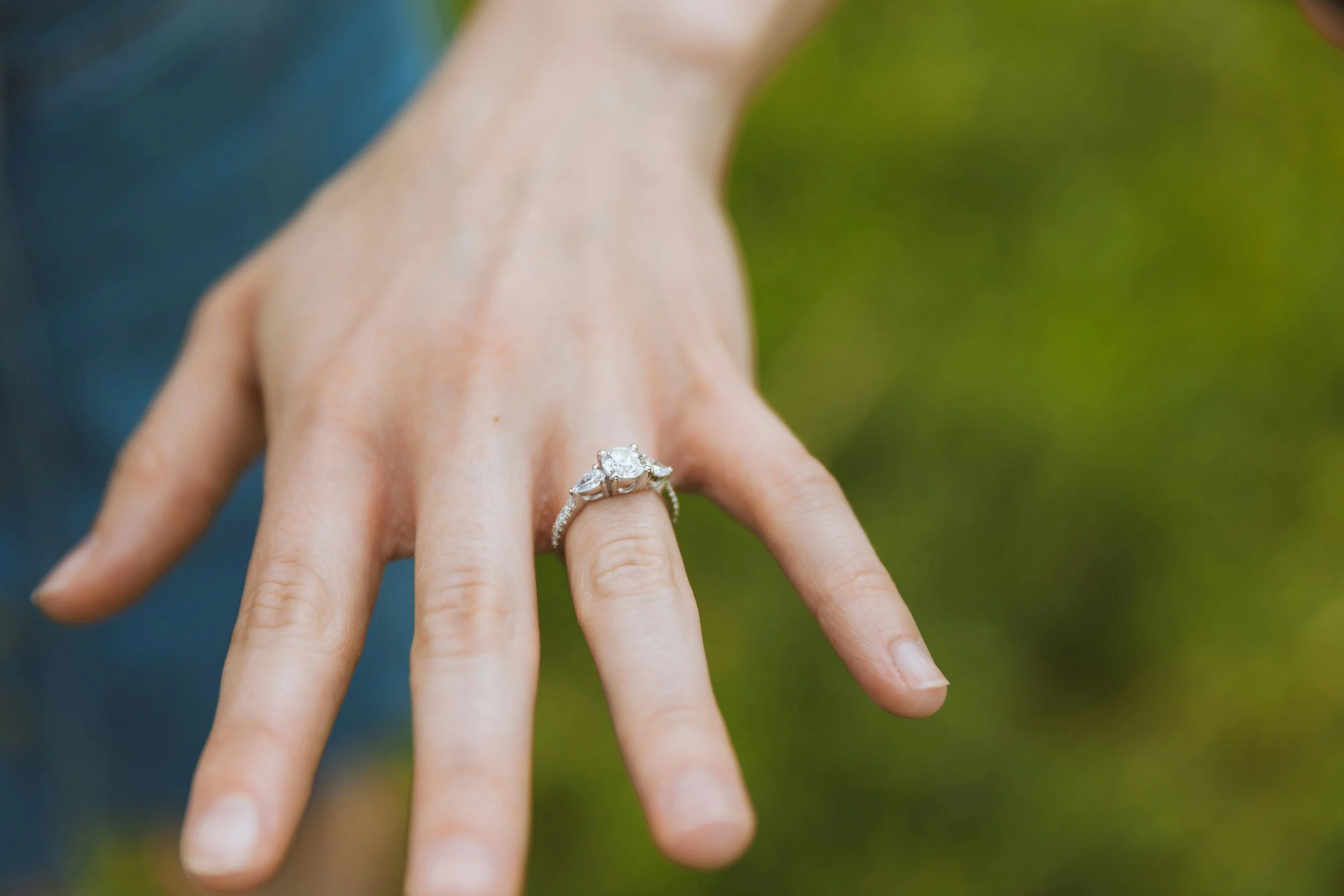
A marriage proposal is accepted when the recipient receives an engagement ring. Anthropologists trace this tradition to a Roman custom in which wives wore rings attached to small keys, indicating their husbands’ ownership.
The Austria Royalty Diamond Engagement Ring Connection
The first recorded diamond engagement ring was gifted by Archduke Maximillian of Austria to his soon-to-be bride, Mary of Burgundy in 1477. This initiated a vogue for diamond rings among European aristocracy and nobility.
Sentimental Victorians popularized engagement ring designs that mixed diamonds and other gemstones, precious metals, and enamels. They were frequently in flower shapes, and were known as “posey rings.” Edwardian Era Engagement Rings The juxtaposition of diamonds with other precious stones, often set in filigree was a tradition for diamond rings during the Edwardian era.
De Beers Connection Diamond Engagement Ring
In 1947, De Beers debuted its now iconic marketing slogal “A Diamond is Forever.” The unbreakable nature of the diamond had symbolism for the American consciousness, forever meaning marriage.
Now, a diamond’s purity and dazzle is emblematic of how deeply two individuals worldwide promise to treasure one another. The DeBeers mines in Africa made diamonds more accessible.
In the 1930s, when demand for diamond rings declined in the U.S. during hard economic times, the De Beers Company began a marketing campaign using photographs of glamorous movie stars swathed in diamonds. Within three years, the sales of diamonds had increased by 50 percent.
It’s still about celebrating a union and preserved memory, but with more cuts come more styles as an easy path for diamond lovers.
The History of Popular Cuts
The round brilliant, made up of 58 facets that divide the stone into a top half and a bottom half, is by far the most popular cut for diamond engagement rings. The princess cut, the emerald cut and the oval cut are a few runners up, with cushion cuts trending all of a sudden.
Are you proposal ready?
Find the perfect proposal tips and more from Luna Felix Jewelry, then when you’re ready, come visit us. When you are ready to make the commitment of your life and prepare for a custom diamond engagement ring, contact Luna Felix jewelry store at 505.470.5611 in Santa Fe New Mexico.
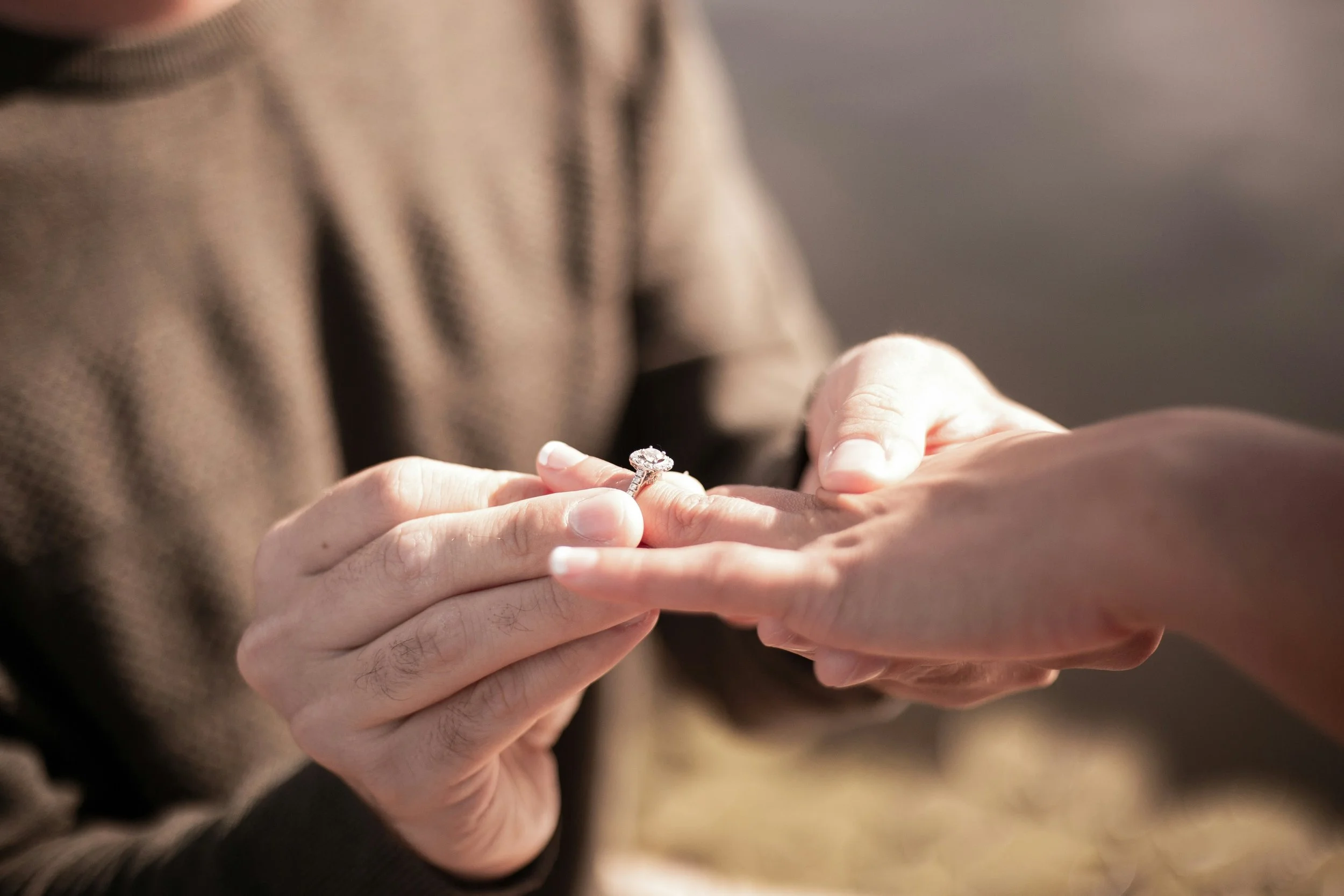
When Did the Tradition of Engagement Rings Begin?
For centuries, engagement rings have been the ultimate declarations of love, whether you’re already engaged, fantasizing about the day when your partner will propose to you or just a fan of that one glittering diamond sitting on your finger.
And while we're at it, the engagement rings that we hold so near and dear today are not what they used to be —in fact, the history of these glittering gemstones is sure to put a sparkle in your eye. What we perceive as a sign of physical marriage today was simply a sign of possession to the Romans and Egyptians back in the 2nd century BC1. Not very romantic, right?
Fortunately, things have changed since, but if you’ve ever wanted to know more about how this wedding extra went from zero to hero then we’ve compiled a quick guide on the history of engagement rings. Here’s your quick primer on how these sparklers got their start, how they’ve developed and what they represent in contemporary times.
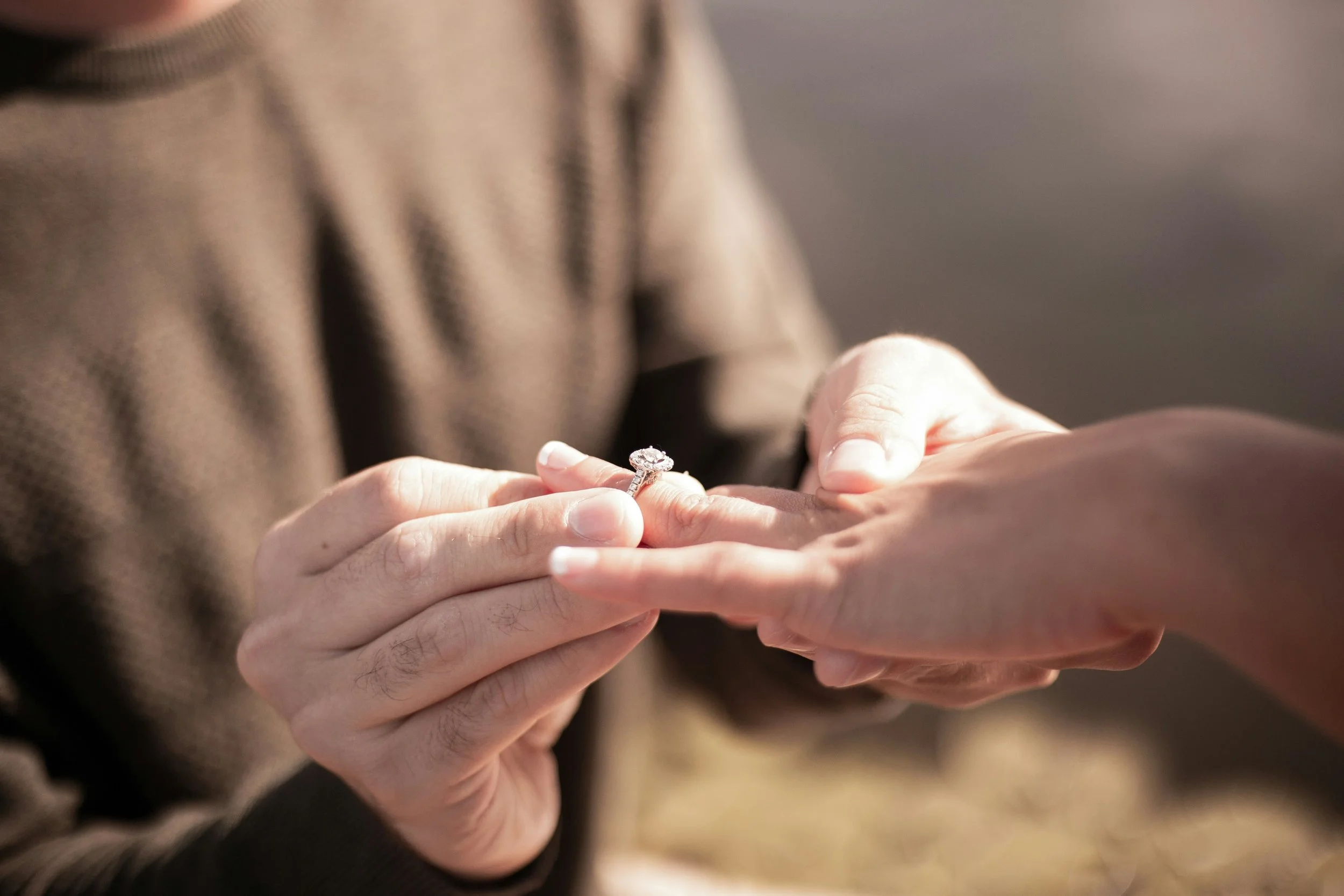
Here’s a look at the evolution of this beloved piece of wedding jewelry.
How It All Started
For centuries, engagement rings have been the ultimate declarations of love, whether you’re already engaged, fantasizing about the day when your partner will propose to you or just a fan of that one glittering diamond sitting on your finger.
And while we're at it, the engagement rings that we hold so near and dear today are not what they used to be —in fact, the history of these glittering gemstones is sure to put a sparkle in your eye. What we perceive as a sign of physical marriage today was simply a sign of possession to the Romans and Egyptians back in the 2nd century BC1. Not very romantic, right?
Fortunately, things have changed since, but if you’ve ever wanted to know more about how this wedding extra went from zero to hero then we’ve compiled a quick guide on the history of engagement rings. Here’s your quick primer on how these sparklers got their start, how they’ve developed and what they represent in contemporary times.
Roman Era
Like a lot of modern traditions, engagement rings date back to Ancient Rome, where Roman women wore rings made from ivory, flint, bone, copper or iron “as a sign of business contracts” or “to assert mutual love and obedience” to men (Gemological Institute of America (GIA))2. These Roman trinkets were based on rings worn by Egyptian pharaohs, who wore such symbols to represent the sun, moon— earth's only companions at the time, as they knew it (according to the GIA official website1).
Also according to the GIA, it wasn’t until 850 CE that engagement rings were officially assigned a meaning when it became customary for Pope Nicholas I to publically announce that this particular piece of jewelry represented a man’s agreement to marry2. The Cape Town Diamond Museum also notes that the diamond would not be seen on an engagement ring until 1477 when Archduke Maximilian of Austria proposed to Mary of Burgundy with a stone set in the form of an “M”.3
Cut to the 15th century, when engagement rings took on the symbolism of intertwined unity that we now associate with them. This is was also the time period when gimmel rings, which are made from three interlocking bands, would start to appear on fingers of couples in love sometimes – each band worn separately by the couple and then joined together as one (the third being the wedding band) for their big day to be worn by the new bride in her wedding ring set.
Final Thoughts
They were followed by posy rings, baubles that had inscriptions of love poetry secretly engraved on the inside of the band and became a craze in their own right — couples exchanged both silver, which was often used as a placeholder until gold could be afforded, and gold posy rings at their nuptials.