
What Facts Are Critical to Be Aware of Regarding Purchasing Natural, Lab or Synthetic Diamonds?
Shopping for diamonds can be a difficult task. With synthetic diamonds, lab diamonds and natural diamonds are all available to buy. Finding exactly what you’re looking for might take some time and research. Here’s what you need to know when it comes to natural diamonds vs lab diamonds vs synthetic diamonds.
Synthetic diamonds have many names. Synthetic diamonds can also be referred to as lab made diamonds. According to the Gemological Institute of America or GIA, lab made diamonds are also sometimes referred to as “man-made or synthetic diamonds.”
Whereas simulated diamonds are stones that only look like diamonds. Some examples would be cubic zirconia, white sapphire, moissanite, zircon, rutile, spinel and synthetic garnet.
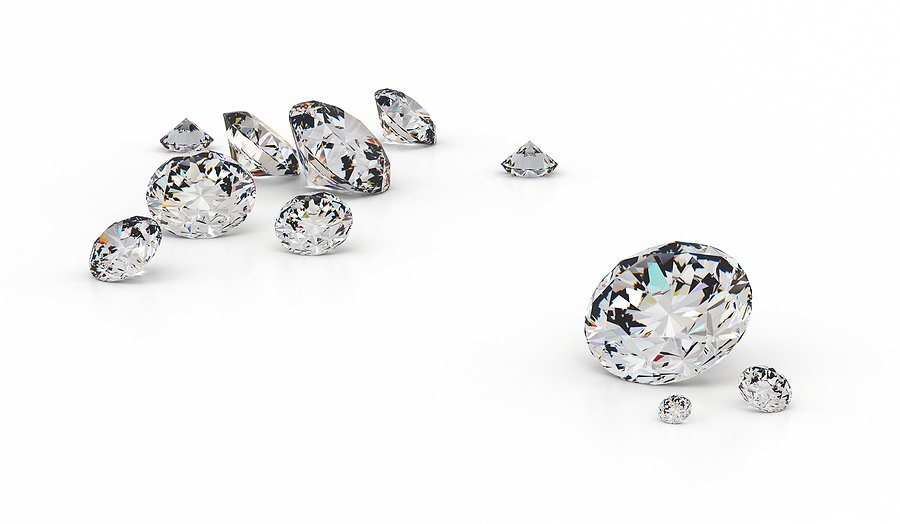
Shopping for diamonds can be a difficult task. With synthetic diamonds, lab diamonds and natural diamonds are all available to buy. Finding exactly what you’re looking for might take some time and research. Here’s what you need to know when it comes to natural diamonds vs lab diamonds vs synthetic diamonds.
Synthetic diamonds have many names. Synthetic diamonds can also be referred to as lab made diamonds. According to the Gemological Institute of America or GIA, lab made diamonds are also sometimes referred to as “man-made or synthetic diamonds.”
Whereas simulated diamonds are stones that only look like diamonds. Some examples would be cubic zirconia, white sapphire, moissanite, zircon, rutile, spinel and synthetic garnet.
Is a Lab Diamonds the same as Synthetic Diamond?
No. Lab diamonds are not synthetic diamonds. Lab grown diamonds look identical to a natural diamond. They have the same properties as natural diamonds. The only difference is where they come from. Lab diamonds are grown in a lab. Synthetic diamonds are not the same as natural or lab grown diamonds. Common simulated diamonds can include spinel, and cubic zirconia.
What is a natural diamond?
Natural diamonds are made from carbon. They are the hardest natural substance on earth. Natural diamonds take one to three BILLION years to be created at least 85 miles below the earth’s mantle. The process requires natural conditions of very high pressure and high temperature. Once created, they travel via molten rock to the surface. Natural diamonds are then mined and sold to be cut into beautiful jewelry or can be used for industrial purposes. Learn more about how diamonds are formed
What is a lab diamond?
Lab diamonds, also known as man-made diamonds, go through the same process as natural diamonds. Except instead of taking billions of years, it only takes weeks. And instead of happening naturally, it happens in a lab.
A diamond seed is selected and put through extreme high pressure and high temperature processes. After a few weeks, the diamond seed would become a full rough diamond. Once grown, the diamond is cut and polished into perfection.
Lab versus Simulated Diamonds
Simulated diamonds do NOT have the same properties as natural diamonds. Either they have been manufactured or chemically changed to look like diamonds.
Whereas lab grown diamonds are actual diamonds that have the same physical and chemical properties as a natural diamond would. The only difference is they are grown by man.
Both simulated diamonds and lab diamonds have some properties similar to a diamond. For example, they both sparkle and are beautiful alternatives to natural diamonds.
Benefits of Buying Natural and Lab Diamonds
Benefits of Natural Diamonds
Natural diamonds are far superior to any other diamond you can buy. There are many benefits to buying a natural diamond. Here are a few:
Natural diamonds will appreciate in value because of inflation. The rarer a diamond is, the more expensive it is. The larger a diamond is, the rarer it is.
Natural diamonds have been around for centuries. Meaning the prices will not skyrocket because it’s been established what they should cost.
Natural diamonds that are known to appreciate in value quicker are fancy colors. Fancy color diamonds such as canary yellow diamonds are known to be investment grade. If you are looking to invest in a diamond that can offer great returns. The rarest diamonds in the natural world are red diamonds. Pink and blue diamonds are also high value when it comes to natural diamonds.
Benefits of Lab Diamonds
Lab or man-made diamonds are made in lab settings. The process uses high-tech innovations to form diamonds in a controlled environment.
Lab diamonds have the same benefits as natural diamonds because they share the exact properties.
Diamonds take millions of years to form naturally, inside the earth. Where as lab diamonds take weeks. Conditions for a lab diamond to form are closely monitored.
Because there is a new alternative to diamonds, there is a shorter supply for these diamonds to travel before they reach the consumer.
Just like lab diamonds take weeks to form, it shortens the time for a diamond to be supplied to many businesses before it reaches you.
Helping to limit supply from our Earth also limits the effect on our environment. The less hands a diamond passes through, you may be allowed more transparency when it comes to how your diamond was formed.
Durability & Certification
Natural diamonds are far more durable than any other stone you can purchase. Diamonds rate a 10 on the Mohs Scale of Hardness. Since they are the highest grade, they are ideal for everyday wear. Since you wear an engagement ring every day, you will want to purchase a natural diamond for your ring.
Lab diamonds rate a 9.25 on the Mohs scale of hardness. Though they aren’t as hard as natural diamonds. They are still extremely durable.
GIA Certification
GIA diamonds are certified by the Gemological Institute of America. This institution has been around since 1931. This non-profit reports that every diamond goes through testing to disclose where the diamond originated from (natural or lab). If any treatments were done to the diamond. They also grade the diamond by the 4 Cs.
While there are many other institutions that offer grading and certification for diamonds. GIA is one of the leading sources for diamond origin.
Having a diamond certified by GIA can be difficult when you’re buying diamonds less than .20 karat. However, if you find a natural diamond that is GIA certified, you will know for sure what you are getting.
IGI Certification
Founded in 1975, the International Gemological Institute or IGI has spread to different locations all over the world. They are an independent laboratory that studies jewelry, colored stones and lab diamonds.
Just like when you are shopping for a diamond. They only see what looks good to the naked eye versus diamonds that don’t.
These professionals use a grading system called the IGI certification. This grades diamonds to accurately represent the best diamonds for the market.
Which is better: GIA or IGI Diamond Certification?
They both hold the same value as they are both backed by leading laboratories. GIA certified diamonds are used more commonly in the natural diamond market.
Since many jewelers tend to use GIA as their certified grading process. They both grade diamonds by the same basic standards.
Identifying Natural and Lab Diamonds
With lab diamonds there are some “tells” when it comes to identifying if they are real or not.
The first test is thermal conductivity. Diamonds can conduct and react to heat. Some lab made diamonds cannot do this.
Since they are created in a lab. The process allows them to create diamonds with no clarity whatsoever.
Diamonds are made to be very colorless. This helps the diamond look very white, giving it more ability to reflect light and sparkle.
Prices are always a tell. If the diamond is too perfect of a price. (Up to 75% less than what a natural diamond should cost). You may want to rethink your selection.