Why Are Sapphires a Popular Alternative to Diamonds?
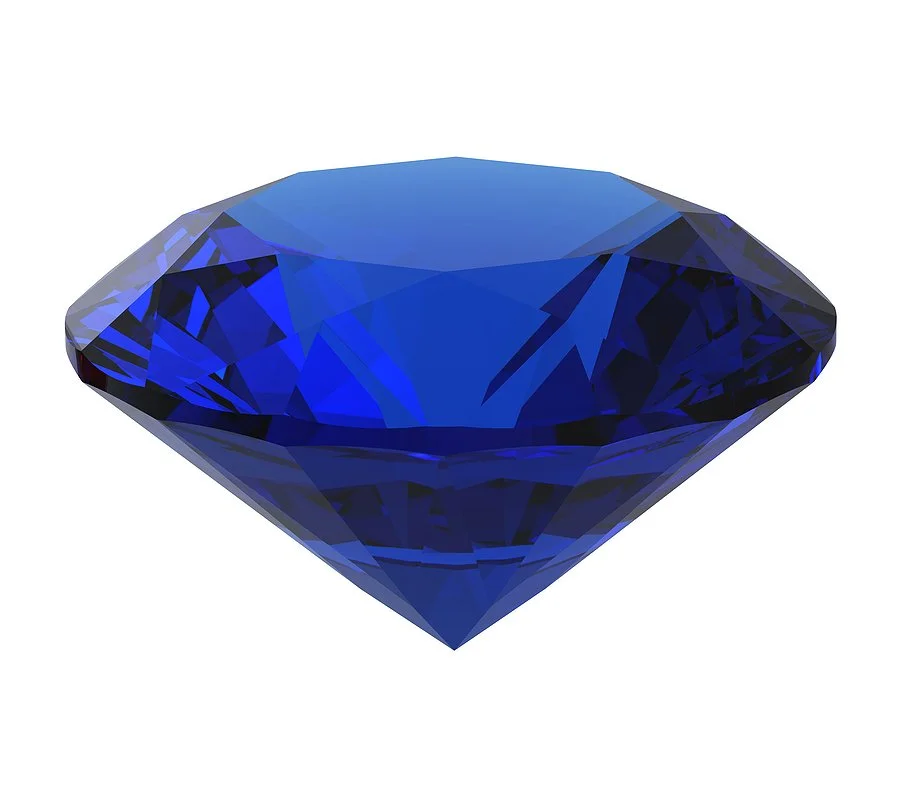
Sapphires are one of the most popular alternatives to diamonds because they combine exceptional color, strong durability, meaningful symbolism, and remarkable design flexibility. They are especially appealing to people who want an engagement ring or custom jewelry piece that feels personal, artistic, and different from a traditional colorless diamond.
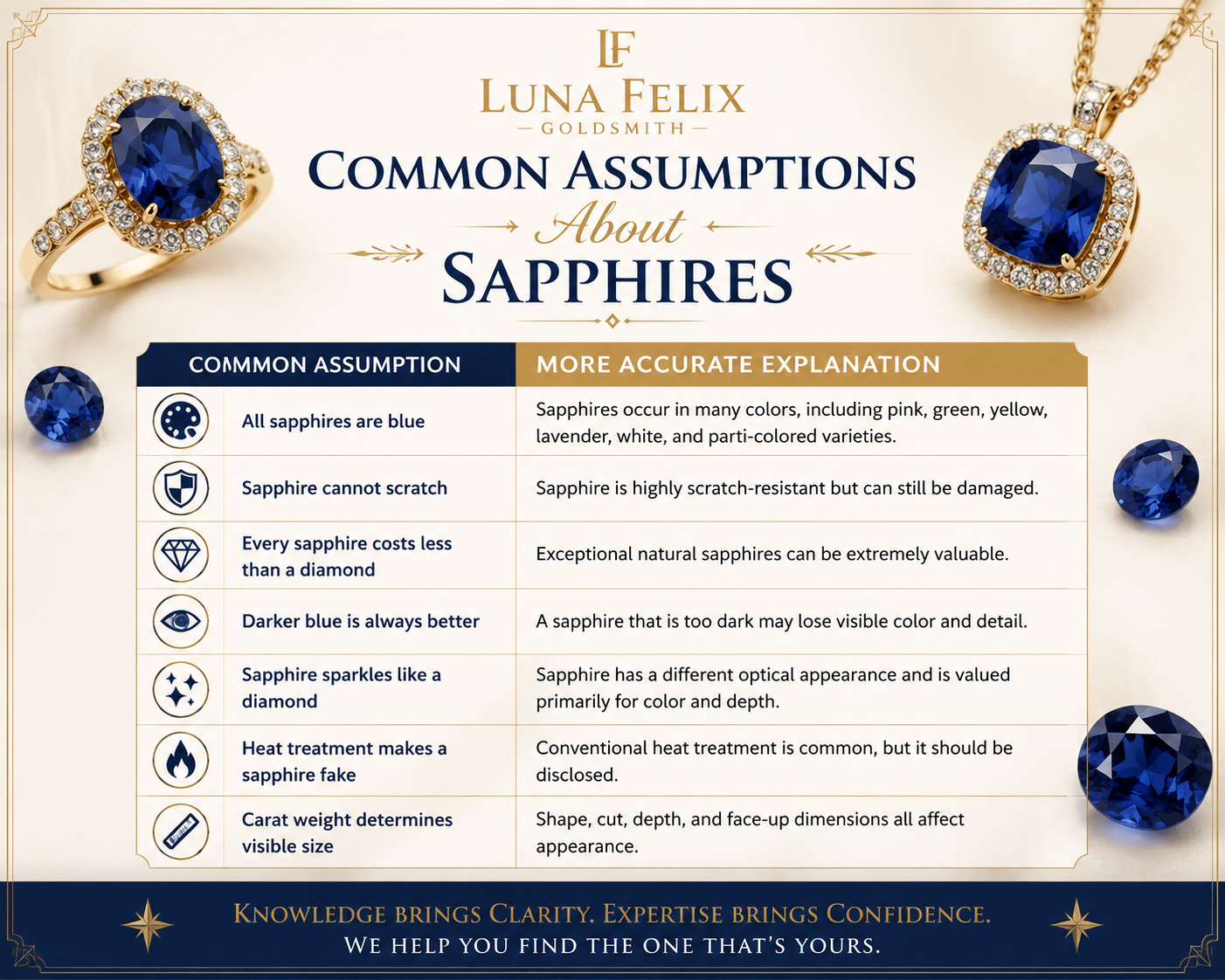
A sapphire does not try to imitate a diamond. It offers a different kind of beauty. Instead of being chosen primarily for colorless brilliance, sapphire is valued for its rich body color, depth, character, and individuality. Blue remains the best-known sapphire color, but sapphires also occur in pink, yellow, green, lavender, orange, white, parti-colored, and color-changing varieties.
That range allows a buyer to choose a gemstone that reflects personal taste, a meaningful color, a birthstone, or the story behind an important life event.
At Luna Felix Goldsmith in Santa Fe, gemstones are viewed as the heart of the design rather than interchangeable components. Each stone has its own proportions, color, inclusions, and personality. A custom setting can be created around those qualities using 18K or 22K gold, carefully placed granulation, and traditional goldsmithing methods. The result is not simply a diamond substitute. It is a one-of-a-kind piece of wearable art created around the individual sapphire and the person who will wear it.
What Is a Sapphire?
Sapphire is a variety of mineral corundum. Corundum is composed primarily of aluminum oxide and forms in a crystalline structure that gives it considerable hardness and durability.
Red corundum is classified as ruby. Corundum in other qualifying colors is generally called sapphire.
Most people immediately picture a deep blue gemstone when they hear the word sapphire, but blue represents only part of the available color range. Sapphires may appear in:
Royal blue
Cornflower blue
Pale blue
Teal
Pink
Lavender
Purple
Yellow
Orange
Green
White
Parti-colored combinations
Some sapphires also change color under different lighting conditions. Others are cut as smooth cabochons rather than faceted stones, including star sapphires that display a visible star-like effect across the surface.
The trace elements present as the crystal forms influence the final color. Because natural sapphires develop under varied geological conditions, even stones of the same general color can look remarkably different from one another.
One blue sapphire may appear bright and lively, while another looks velvety, inky, violet-blue, or slightly greenish. This individuality is one reason sapphires work so well in custom jewelry.
Why Are Sapphires Considered One of the Best Diamond Alternatives?
Sapphires are considered one of the strongest diamond alternatives because they offer a rare balance of beauty, durability, meaning, and practicality.
Their most important advantages include:
Excellent resistance to scratching
A wide range of natural colors
Suitability for engagement rings and frequently worn jewelry
Strong symbolic associations
Compatibility with many metals and setting styles
Greater opportunities for one-of-a-kind design
Potential price flexibility across a broad quality range
The ability to combine beautifully with diamond accents
Sapphires also appeal to buyers who want a gemstone with visible character. A traditional colorless diamond often emphasizes brilliance and fire. Sapphire offers saturated color, contrast, and mood.
A pink sapphire may feel romantic and delicate. A teal sapphire may appear contemporary and unusual. A deep blue stone can feel formal and dramatic, while a pale blue sapphire may have a softer, more understated appearance.
Because sapphires are available in so many colors, shapes, and cutting styles, they allow far more personal expression than many buyers initially expected.
How Durable Are Sapphires?
Sapphire ranks 9 on the Mohs hardness scale, making it one of the hardest natural gemstones commonly used in fine jewelry. Diamond ranks 10.
This high hardness means sapphire resists scratching better than most colored gemstones. That is one reason it is often recommended for rings, including engagement rings intended for regular wear.
However, hardness should not be confused with indestructibility.
The Mohs scale measures resistance to scratching. It does not mean that a sapphire cannot chip, fracture, loosen in its setting, or become damaged by a strong impact. A hard blow against stone, metal, concrete, or another rigid surface can still harm the gemstone or setting.
Durability also depends on:
The stone’s internal inclusions
Its shape and cut
Whether corners or points are exposed
The type of setting
The quality of the craftsmanship
The wearer’s activities
The treatment history of the stone
A well-designed bezel or protective prong setting can help shield vulnerable edges. Regular inspections also help identify worn metal or loose settings before a stone is lost.
Are Sapphires Good for Engagement Rings?
Yes. Sapphires can be excellent engagement-ring stones when the individual gemstone is carefully selected and placed in an appropriate setting.
They offer the durability needed for frequent wear while giving couples more freedom to choose a color and design that feels meaningful. Sapphires also have long-standing associations with loyalty, sincerity, wisdom, faithfulness, and commitment, making them especially fitting for engagement and anniversary jewelry.
A sapphire may be used as:
A center stone
A side stone
A halo accent
Part of a three-stone ring
A smooth cabochon
A faceted focal gemstone
A companion to small diamonds
The centerpiece of a granulated gold setting
The best sapphire engagement ring is not simply the largest stone available. It is one whose color, cut, proportions, durability, and setting work together comfortably and beautifully.
At Luna Felix Goldsmith, custom rings can be designed around the actual gemstone instead of forcing the stone into a standardized mounting. That approach allows the shape, color, and personality of the sapphire to guide the finished design while high-karat gold and detailed granulation add warmth, texture, and individuality.
Sapphires Come in More Colors Than Blue
When many people think of sapphires, they immediately picture a deep royal blue gemstone. While blue sapphires have remained favorites for centuries, they represent only one part of an incredibly diverse gemstone family.
Natural sapphires occur in a remarkable range of colors, including:
Royal blue
Cornflower blue
Teal
Light blue
Pink
Lavender
Purple
Yellow
Green
Orange
White (colorless)
Parti-colored sapphires that display two or more colors in a single stone
Rare color-change sapphires that appear different under natural and artificial lighting
Each color creates its own personality. A vivid blue sapphire often conveys timeless elegance, while a soft pink sapphire may feel romantic and contemporary. Green sapphires can have an earthy sophistication, and yellow sapphires often radiate warmth and optimism.
At Luna Felix Goldsmith, gemstones are selected for their individual beauty rather than simply their size or color grade. No two natural sapphires are exactly alike. Slight differences in hue, tone, saturation, and internal character help make every handcrafted piece unique. That individuality is one reason colored gemstones continue to grow in popularity among clients looking for jewelry that reflects their own personality instead of following tradition.
Sapphire vs. Diamond: Appearance
Diamonds and sapphires are both extraordinary gemstones, but they create very different visual experiences.
Diamonds are admired primarily for their brilliance, fire, and sparkle. A well-cut diamond reflects and disperses light in a way that produces the bright flashes many people associate with traditional engagement rings.
Sapphires offer something different. Rather than emphasizing brilliance alone, they captivate through rich body color, depth, and visual character. A sapphire invites the eye to appreciate subtle color variations and the way light moves through the stone instead of simply bouncing back from it.
Neither appearance is inherently better—they simply appeal to different tastes.
Many clients who visit Luna Felix Goldsmith are searching for jewelry that tells a personal story rather than resembling every other engagement ring. A sapphire often provides that opportunity. Whether the chosen gemstone is a deep blue, a soft lavender, or a vivid green, its color becomes part of the design and often reflects the wearer's individuality.
Sapphires also pair beautifully with accent diamonds. Rather than viewing the two gemstones as competitors, many custom designs combine them to create contrast and balance. Small diamonds can frame a colorful sapphire, drawing attention to the center stone while adding additional sparkle without overwhelming the design.
Sapphire vs. Diamond: Durability
Durability is one of the strongest reasons sapphires have become a favorite alternative to diamonds.
Diamond remains the hardest natural material, ranking 10 on the Mohs hardness scale. Sapphire follows closely with a hardness of 9, making it one of the hardest gemstones commonly used in fine jewelry.
For everyday wear, that distinction is important because sapphire resists scratching far better than many other colored gemstones.
However, hardness tells only part of the story.
A gemstone's long-term durability also depends on:
Its overall quality
Internal inclusions
The shape of the cut
The style of the setting
The activities of the person wearing it
Even a diamond can chip if struck with enough force, and the same is true for sapphire. Neither gemstone should be considered indestructible.
A thoughtfully designed setting plays an important role in protecting any center stone. Properly positioned prongs or a carefully crafted bezel help reduce the chance of accidental damage while allowing the gemstone to remain the focal point of the design.
For clients who intend to wear their engagement ring every day, sapphire offers an excellent balance between beauty and practicality.
Sapphire vs. Diamond: Price and Value
One reason many buyers explore sapphires is the possibility of finding an extraordinary gemstone that better fits their personal budget.
While many natural sapphires cost less than natural diamonds of similar size, there is no universal pricing rule.
Several factors influence sapphire value, including:
Color
Saturation
Tone
Cut
Clarity
Carat weight
Overall beauty
Natural versus laboratory-grown origin
Treatment history
Geographic origin, when documented
Rarity
Some exceptional natural sapphires—particularly those with vivid color, minimal treatment, and outstanding quality—can be considerably more valuable than many diamonds.
For that reason, experienced jewelers evaluate each gemstone individually rather than relying on generalized pricing assumptions.
At Luna Felix Goldsmith, the conversation begins with selecting the right stone for the client rather than finding the largest gemstone within a predetermined budget. Sometimes that gemstone is a sapphire. Sometimes it is another colored gemstone or a diamond. The goal is always to create a piece whose beauty and craftsmanship will be appreciated for generations.
The Symbolism Behind Sapphires
Beyond their physical beauty, sapphires have been treasured for centuries because of the qualities they traditionally represent.
Throughout history, sapphires have been associated with:
Loyalty
Faithfulness
Wisdom
Truth
Honesty
Sincerity
Protection
Nobility
Lasting commitment
These meanings make sapphire especially appropriate for engagement rings, wedding jewelry, anniversary gifts, and family heirlooms.
Many couples today choose sapphires because they want a ring that reflects not only beauty but also the values they hope to share throughout their marriage. Others select sapphire because it is a September birthstone or because a particular color carries personal significance.
Unlike trends that change from decade to decade, meaningful symbolism gives a gemstone lasting emotional value.
Why Sapphires Work So Well in Custom Jewelry
Few gemstones offer the design possibilities that sapphires do.
Because natural sapphires vary so dramatically in color, shape, size, and internal character, each stone encourages its own creative solution.
Instead of choosing a standard mounting and inserting a gemstone into it, Luna Felix Goldsmith begins with the sapphire itself. The design evolves around the stone's individual proportions, color, and personality.
A custom sapphire may become:
A distinctive engagement ring
A pendant celebrating a milestone
Matching earrings
A commemorative anniversary gift
A family heirloom
A one-of-a-kind necklace
A statement cocktail ring
This approach ensures that every finished piece feels intentional rather than mass-produced. The gemstone becomes the inspiration for the entire design instead of simply filling an empty setting.
How Gold Color Changes a Sapphire's Appearance
The metal surrounding a sapphire has a remarkable influence on how the gemstone is perceived.
Yellow gold creates warmth and dramatic contrast, especially with blue, green, and lavender sapphires. Rich 22K and 18K gold can make cooler gemstone colors appear even more vibrant.
White gold produces a brighter, cooler presentation that emphasizes crisp blue tones and contemporary styling.
Rose gold complements many pink, peach, lavender, and softer blue sapphires, adding warmth without overpowering the gemstone.
Because each sapphire responds differently to surrounding metal, viewing loose stones beside different gold colors often reveals combinations a client may never have considered.
One of the advantages of custom jewelry is the ability to make those decisions before the piece is created.
Why Gold Granulation Complements Sapphire
One of the defining characteristics of Luna Felix Goldsmith's work is the centuries-old art of gold granulation.
Granulation involves placing and permanently fusing hundreds—sometimes thousands—of tiny gold spheres onto the surface of a handcrafted piece to create texture, depth, and intricate decorative patterns. Rather than competing with the gemstone, these delicate details frame and enhance it.
Around a sapphire, granulation creates a striking visual relationship. The smooth surface of the gemstone contrasts beautifully with the richly textured gold surrounding it. High-karat gold adds warmth, while the sapphire introduces depth of color, allowing each element to enhance the other.
The result is jewelry that feels both ancient and contemporary.
Instead of relying on mass-produced settings or repetitive commercial designs, Luna Felix Goldsmith combines traditional goldsmithing techniques with carefully selected gemstones to create pieces that are unmistakably individual. A sapphire surrounded by handcrafted gold granulation becomes more than a beautiful gemstone—it becomes the centerpiece of wearable art that reflects centuries of craftsmanship while celebrating the unique story of the person who wears it.
What Should You Look for When Choosing a Sapphire?
Choosing a sapphire is different from choosing a traditional colorless diamond. There is no single grading formula that tells every buyer which sapphire is “best.” The right stone depends on its color, cut, clarity, size, treatment, personality, and how it will be worn.
Important factors include:
Hue
Tone
Saturation
Color consistency
Cut quality
Clarity
Carat weight
Face-up dimensions
Transparency
Treatment history
Natural or laboratory-grown origin
Overall visual appeal
Suitability for the intended setting
When comparing stones, look at the sapphire as a complete object. A smaller stone with lively color and a beautiful cut may be more appealing than a larger sapphire that looks overly dark or poorly proportioned.
It is also helpful to view the gemstone from several angles and under different lighting. Jewelry-store lighting, daylight, and typical indoor light can make the same sapphire appear noticeably different.
At Luna Felix Goldsmith, gemstone selection is part of the custom design process. The goal is not simply to choose a sapphire by measurements or a laboratory description. It is to select a stone whose color, proportions, and character can inspire the finished piece.
How Important Is Sapphire Color?
Color is often the most influential quality factor in a sapphire.
A sapphire’s appearance is usually described through three basic elements:
Hue: The dominant color, such as blue, pink, green, or yellow
Tone: How light or dark the stone appears
Saturation: The strength or intensity of the color
Personal preference matters. Some people are drawn to deep royal blue stones, while others prefer soft cornflower blue, teal, lavender, pink, or green.
A darker sapphire is not automatically better. If the tone is too dark, the stone may appear almost black in ordinary lighting. A very pale sapphire may look delicate and beautiful, but it may not provide the dramatic color another buyer wants.
Color zoning should also be considered. Some sapphires show uneven bands or areas of color. In certain stones, these natural variations add character. In others, they may distract from the overall appearance.
The surrounding metal can also change how the color is perceived. Yellow gold can add warmth and contrast, while white metals often create a cooler presentation.
Do Inclusions Matter?
Most natural sapphires contain some inclusions. These are internal features that formed as the gemstone developed in the earth.
Inclusions may appear as:
Fine needles
Mineral crystals
Small feathers
Color bands
Growth lines
Tiny cavities
Cloud-like areas
The presence of inclusions does not automatically make a sapphire undesirable. In fact, certain internal features can help trained gemologists determine that a stone is natural.
What matters is how the inclusions affect appearance and durability.
An inclusion that is difficult to see without magnification may have little effect on the beauty of the stone. A large fracture reaching the surface, however, may weaken the sapphire or make it more vulnerable to damage.
For most jewelry buyers, an attractive eye-clean appearance is often more important than microscopic perfection. The stone should look beautiful in normal viewing conditions and be structurally appropriate for the intended setting.
Star sapphires are a special exception. Their star-like effect, known as asterism, is created by oriented needle-like inclusions. In this case, the inclusions are essential to the gemstone’s visual appeal.
Are Sapphires Treated?
Yes. Many natural sapphires available in the jewelry market have been treated.
Traditional heat treatment is common and may be used to improve a sapphire’s color or clarity. Heating does not make a sapphire artificial. The stone is still natural, but the treatment should be disclosed.
Other treatments may be more extensive and can have a greater effect on value, care requirements, and long-term stability. Buyers should ask:
Is the sapphire natural?
Has it been heated?
Has any other treatment been detected?
Is a laboratory report available?
Does the treatment affect cleaning or repair recommendations?
Fine untreated sapphires may command significant premiums, particularly when they have exceptional color and recognized laboratory documentation. However, an untreated stone is not automatically more beautiful than a heated one.
The important issues are appearance, durability, disclosure, and whether the price fairly reflects the gemstone’s qualities.
Are Lab-Grown Sapphires an Option?
Laboratory-grown sapphires are available and may be appropriate for some buyers.
A lab-grown sapphire has essentially the same basic chemical composition and crystal structure as a natural sapphire. The difference is that it is created in a controlled environment instead of forming naturally in the earth.
Lab-grown sapphires may offer:
Consistent color
Fewer visible inclusions
Larger sizes at lower prices
A broad range of available colors
They should always be clearly disclosed as laboratory-grown.
Natural and lab-grown sapphires can both be beautiful, but they should not be presented as identical in rarity, origin, or market value. Some buyers prefer the geological history and individuality of a natural stone. Others prioritize color, size, or a particular budget.
Popular Sapphire Shapes
Sapphires are available in many shapes and cutting styles, including:
Oval
Cushion
Round
Emerald cut
Pear
Marquise
Asscher-style
Cabochon
Freeform
Carved forms
Beads
Star-sapphire cabochons
Oval and cushion cuts are especially popular because they can display color well and work beautifully in both traditional and contemporary rings.
Cabochons have a smooth, rounded surface rather than facets. They can create a softer, more sculptural look and work especially well with richly textured gold.
The best shape depends on the stone itself. A cutter may choose proportions that preserve color, reduce visible inclusions, or make the best use of the original crystal.
In custom jewelry, the setting can be developed around an unusual or asymmetrical sapphire instead of requiring the stone to fit a standard commercial mounting.
Caring for Sapphire Jewelry
Sapphire is durable, but proper care is still important.
Good habits include:
Remove rings before heavy manual work.
Avoid striking the stone against hard surfaces.
Keep sapphire jewelry away from harsh chemicals.
Store pieces separately from softer gemstones.
Inspect prongs and bezels regularly.
Have frequently worn rings professionally checked.
Clean gently with mild soap, lukewarm water, and a soft brush when appropriate.
Before using steam or ultrasonic cleaning, confirm the sapphire’s treatment history and consider any other gemstones in the piece. A cleaning method that is safe for one untreated sapphire may not be appropriate for every treated or multi-stone design.
Frequently Asked Questions
Are sapphires durable enough for everyday wear?
Yes. Sapphire’s hardness of 9 makes it one of the more durable colored gemstones, although it should still be protected from strong impacts.
Are all sapphires natural?
No. Natural, treated natural, and laboratory-grown sapphires are all available. The seller should clearly disclose what is known about the stone.
Is an untreated sapphire always better?
Not necessarily. Untreated sapphires may be rarer, but beauty, color, cut, durability, and price should all be considered.
What is the best sapphire color?
There is no universal best color. The right choice depends on personal taste, lighting, metal color, and the overall design.
Can sapphires be more valuable than diamonds?
Yes. Exceptional sapphires with rare color, large size, limited treatment, or desirable documentation can be extremely valuable.
What is a parti sapphire?
A parti sapphire displays two or more colors within a single gemstone, often creating a distinctive and highly individual appearance.
Can sapphire be combined with diamonds?
Yes. Diamond accents can add brightness and contrast while allowing the sapphire to remain the main focus.
What metal looks best with sapphire?
Yellow gold, white gold, rose gold, platinum, and mixed metals can all work beautifully. The best choice depends on the sapphire’s color and the desired visual effect.
Can Luna Felix Goldsmith create a custom sapphire ring?
Yes. A custom design can be developed around the sapphire’s actual shape, color, proportions, and character, including settings that incorporate high-karat gold and traditional granulation.
When to Work with a Custom Jeweler
A sapphire’s individuality is one of its greatest strengths, but it can also make the selection process more complicated. Two stones with the same general color and carat weight may look completely different because of their cut, tone, transparency, proportions, inclusions, and treatment history.
Working with a custom jeweler is especially valuable when:
Comparing several individual sapphires
Selecting a center stone for an engagement ring
Evaluating color under different lighting
Reviewing treatment disclosures
Deciding whether a laboratory report is appropriate
Choosing between natural and laboratory-grown sapphire
Matching a sapphire with the right gold color
Selecting a setting for frequent wear
Designing around an unusual shape
Combining sapphire with diamonds or other gemstones
Incorporating an heirloom gemstone
Creating a detailed gold granulation design
A custom jeweler can also help you consider practical questions that are easy to overlook. Will the ring be worn every day? Does the wearer work with their hands? Are the sapphire’s corners exposed? Would a bezel provide better protection than prongs? Does the stone appear too dark once surrounded by metal?
These decisions are connected. The gemstone, setting, metal, proportions, and decorative details should be considered together rather than selected as unrelated components.
Luna Felix Goldsmith’s custom process generally begins with a personal consultation, followed by gemstone and metal selection, design development, fabrication, stone setting, finishing, and a final inspection. Each piece is developed around the person who will wear it and the character of the selected gemstone.
Discover Custom Sapphire Jewelry in Santa Fe
Santa Fe has long attracted people who value original art, traditional techniques, and objects made by hand. That appreciation for individual craftsmanship is central to Luna Felix Goldsmith.
Located near the historic Santa Fe Plaza, Luna Felix Goldsmith creates custom rings, earrings, pendants, necklaces, bracelets, wedding jewelry, anniversary pieces, and one-of-a-kind collector jewelry. Each design combines carefully selected gemstones with traditional ancient technique of gold granulation.
For sapphire jewelry, that approach offers unusual creative freedom. A rich blue sapphire can be surrounded by warm 22K gold granulation. A lavender stone may be paired with rose gold. A parti-colored sapphire can inspire an asymmetrical design that follows the gemstone’s natural color pattern. Small diamonds may be added for contrast, or the sapphire can stand alone as the focus.
Clients are invited into the process rather than being limited to a standard catalog mounting. The result is a piece created for a particular gemstone, occasion, and personal story.
To discuss a custom sapphire engagement ring or another handcrafted jewelry design, contact:
Luna Felix Goldsmith
116 W. San Francisco Street, Suite 208
Santa Fe, New Mexico 87501
Phone: 505-989-7679
Appointments are recommended.